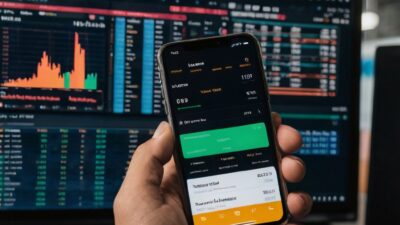

NFT marketplaces are no longer one-size-fits-all. OpenSea built its reputation as the mainstream gateway for collectors, while Blur emerged as the trader’s terminal, engineered for speed, efficiency, and advanced tools. The question isn’t whether Blur is popular; it is whether it can stand as a true alternative to OpenSea for different types of users.
This review takes a neutral, practical lens, comparing how each platform serves its audience. We will look at Blur’s strengths, such as zero fees, collection-wide bids, sweeping tools, and real-time analytics, against OpenSea’s broader chain support, enforced royalties, and beginner-friendly design. The goal is simple: to help you decide whether Blur’s trader-first model fits your needs, or if OpenSea’s collector-focused approach remains the better choice.
Blur may feel like a high-speed trading desk, while OpenSea resembles a gallery and marketplace. Which one you choose depends on whether you’re flipping NFTs for profit or collecting them for passion. This review will break down the trade-offs so you can make that call with confidence.
Blur Marketplace at a Glance
Blur is an NFT marketplace designed for professional traders. It stands out by offering zero trading fees, real-time analytics, and advanced tools like bulk listing and sweeping. The platform also integrates portfolio tracking and liquidity insights, making it more data-driven than competitors like OpenSea. Blur has quickly gained traction by rewarding active traders with token incentives and dominating NFT lending, positioning itself as a hub for high-volume, efficiency-focused trading.
Core Identity
- Target Audience: Professional NFT traders and serious collectors
- Positioning: Fast, data-driven marketplace with advanced trading tools
- Differentiator: Zero trading fees, real-time analytics, and portfolio management features
Key Features
Pro-Level Tools:
- Real-time price feeds and portfolio tracking
- Advanced analytics for liquidity, floor prices, and volume trends
- Bulk listing and sweeping functions for efficiency
Market Reach:
- Dominates NFT lending with over 80% market share
- Ranked among the top NFT marketplaces globally
Community Incentives:
- Airdrops and token rewards for active traders
- Integration with Blur’s native token ecosystem
Strategic Position
- Strengths: Speed, efficiency, and professional-grade tools make Blur attractive to high-volume traders.
- Weaknesses: Less beginner-friendly compared to marketplaces like OpenSea, as its interface and tools are tailored for advanced users.
- Impact: Blur has reshaped the NFT trading landscape by prioritizing trader-first features, pushing competitors to adapt.
Key Blur Features That Users Would Care About
This section highlights the core features of Blur Marketplace from a trader-first perspective. Unlike traditional NFT platforms that focus on accessibility and casual collecting, Blur is built for speed, efficiency, and professional-grade trading. Each feature below explains how it works in practice, why it matters to traders, and how it compares to more conventional marketplaces.
Zero Marketplace Fees
Blur charges no marketplace fees on trades, meaning buyers and sellers avoid the typical 2–2.5% cut seen on platforms like OpenSea. This is especially impactful for high-volume traders who save significantly over time.
- What it means in practice: Traders only pay Ethereum gas fees, not platform commissions.
- Indirect costs: Gas fees can spike during network congestion, and rushing bulk trades may lead to slippage.
- Why it matters: More profit stays in the trader’s pocket, reinforcing Blur’s appeal to active, efficiency-driven users.
Advanced Trading Tools for NFT Degens
Blur equips traders with pro-level tools designed for speed and precision:
- Bidding Pools: Place collection-wide bids to capture NFTs at floor prices.
- Sweeping Tools: Buy multiple NFTs in one transaction to quickly build positions.
- Bulk Listing: List dozens of NFTs simultaneously to save time.
- Analytics Dashboard: Real-time data on floor prices, liquidity, and portfolio value.
- Impact: These tools transform NFT trading into a more professional, market-maker style activity, compared to the slower, one-by-one listing/buying on traditional marketplaces.
NFT Aggregation Across Marketplaces
Blur aggregates listings from other platforms (e.g., OpenSea, LooksRare), giving traders a single interface to access wider liquidity.
- Benefit: Better price discovery and fewer missed opportunities.
- Limitation: Aggregation relies on external APIs, so data may occasionally lag or exclude niche collections.
- Comparison: Traditional marketplaces only show their own listings, limiting visibility and liquidity.
Blur Token (BLUR) Incentives
Blur rewards active traders with BLUR tokens through airdrops and reward programs.
- Effect on behavior: Incentives encourage higher trading volume and loyalty to Blur’s ecosystem.
- Impact: While rewards boost engagement, they can also drive speculative “farming” behavior, where traders prioritize token accumulation over organic buying and selling.
- Comparison: Most traditional marketplaces don’t offer native token rewards, making Blur’s system unique in shaping trader activity.
Royalties and Creator Payouts
Blur takes a flexible approach to royalties, allowing traders to choose royalty levels.
- For creators: Lower royalties reduce long-term income and sustainability.
- For traders: Optional royalties lower costs and increase margins.
- Implication: This policy highlights the tension between creator sustainability and trader profitability. Blur positions itself as trader-first, while traditional marketplaces like OpenSea enforce fixed royalties to protect creators.
Supported Chains and Wallet Requirements
To trade on Blur, users need to understand both the blockchain environment in which it operates and the wallet setup required. Unlike marketplaces that span multiple chains, Blur is streamlined around Ethereum, which shapes its liquidity, costs, and security practices. For traders, this means setting up the correct wallet connection and ensuring an adequate ETH balance before diving into the platform.
Chains Supported
- Ethereum Mainnet: Blur is built entirely on Ethereum, meaning all trades, listings, and rewards occur on this chain.
- No Multi-Chain Support (yet): Unlike competitors such as Magic Eden (which supports Solana, Polygon, and Ethereum), Blur is currently Ethereum-only. This simplifies liquidity but limits exposure to other NFT ecosystems.
Wallet Connection
- Wallets Required: Users connect via standard Ethereum-compatible wallets such as MetaMask, WalletConnect-enabled apps, or Coinbase Wallet.
- Gas Fees: Every transaction requires ETH to cover gas costs, even though Blur itself charges zero marketplace fees.
- Account Setup: No centralized account creation is needed, just a connected wallet. However, users must meet regional compliance requirements (e.g., Blur restricts access in certain jurisdictions due to regulatory concerns).
Safest Setup for Traders
- Hardware Wallet (Cold Wallet): Best for securely storing high-value NFTs and BLUR tokens offline.
- Hot Wallet (Trading Wallet): Used for active trading on Blur, connected to the marketplace for speed and convenience.
- Recommended Practice: Keep assets in a hardware wallet and transfer only what’s needed into a hot wallet for trading. This balances security with efficiency.
Blur Fees, Royalties, and Hidden Costs
Trading on Blur feels cheaper than on traditional NFT marketplaces because it eliminates platform fees, but the true cost of a transaction extends beyond the marketplace cut. Traders need to factor in creator royalties and Ethereum gas fees, which vary by collection and network conditions. Understanding these costs upfront helps avoid surprises and ensures more accurate profit calculations.
- Blur Fees: Blur charges 0% fees on trades. This is a major advantage over platforms like OpenSea, which typically take 2–2.5%.
- Creator Royalties: Each collection sets its own royalty percentage. Traders can choose whether to pay full royalties, partial royalties, or none at all. This way, traders get lower costs and higher margins. Creators get potentially reduced long-term income.
- Ethereum Gas Fees: Every transaction requires ETH for gas. These fees fluctuate based on network congestion. Gas can sometimes exceed the NFT’s value, especially for low-cost trades.
- Hidden Costs & Trade-Offs: Bulk actions or sweeping may lead to higher execution prices. Incentives may encourage over-trading, indirectly raising costs. Choosing not to pay royalties may affect relationships with creators or access to perks.
Trader’s Checklist Before Buying/Selling/Bidding
- Confirm royalty percentage for the collection
- Check current Ethereum gas fees (use a gas tracker)
- Verify liquidity and floor price trends in Blur’s analytics
- Decide on royalty payment preference (full, partial, or none)
- Ensure the wallet has enough ETH for both purchase and gas
- Review execution settings (bulk vs. single trade) to avoid slippage
Pros and Cons of Blur as a Platform
Blur is designed for active NFT traders, offering speed, efficiency, and advanced tools that make it feel more like a trading terminal than a casual marketplace. This trader-first approach delivers clear advantages for high-volume users but can be intimidating for beginners or collectors who value simplicity and creator support.
Blur Pros (What We Like)
- Fast Trading UI: Real-time updates and a snappy interface allow traders to react instantly to market shifts, helping secure better entries and exits.
- Bidding Tools: Collection-wide bidding pools let users capture NFTs at floor prices without having to chase individual listings, saving time and improving execution.
- Sweeps & Bulk Actions: The ability to buy or list multiple NFTs in a single transaction reduces friction and speeds up portfolio adjustments.
- Advanced Analytics: Built-in dashboards track floor prices, liquidity, and portfolio value, giving traders the data edge without needing third-party tools.
- Zero Marketplace Fees: No platform commission means more profit stays with the trader, especially valuable for frequent buyers and sellers.
- Liquidity Aggregation: Listings pulled from other marketplaces improve price discovery and reduce missed opportunities.
- Token Incentives: BLUR rewards encourage engagement and add upside potential for active participation.
Blur Cons (What We Don’t Like)
- Steep Learning Curve: The pro-level interface can overwhelm beginners. Start with small trades and gradually explore features.
- Royalty/Fee Confusion: Optional royalties create uncertainty about true costs. Always check collection royalty settings before bidding.
- Gas Costs for Frequent Actions: Bulk trades and sweeps save time but still rack up Ethereum gas fees. Trade during off-peak hours to minimize gas.
- Incentive Noise: Token farming can distort trading behavior, leading to over-trading. Focus on organic trades and treat rewards as a bonus.
- Mistake Risk with Bulk Actions: Listing or sweeping multiple NFTs at once increases the chance of errors. Double-check settings before confirming bulk transactions.
- Limited Chain Support: Ethereum-only means higher gas costs and no access to ecosystems like Solana or Polygon. Use Blur for Ethereum collections, but diversify across other platforms if you want multi-chain exposure.
- Beginner Accessibility: Casual collectors may find Blur’s interface less intuitive than OpenSea’s simpler one. Beginners should use Blur’s analytics as a learning tool before scaling up trades.
Blur Supported Countries and Regional Restrictions
Blur is a wallet-based NFT marketplace, meaning access is generally global. Anyone with an Ethereum wallet and an internet connection can connect and trade. However, because Blur operates in the crypto space, regional laws and compliance rules can affect who is allowed to use the platform.
- Global Access: Users connect via MetaMask, Coinbase Wallet, or other Ethereum-compatible wallets. No centralized account creation is required. Most regions can access Blur directly through its website, as long as local laws permit crypto trading.
- Regional Restrictions: Certain jurisdictions restrict or prohibit NFT marketplaces due to financial regulations, securities laws, or sanctions. In some regions, Blur’s site may be blocked or limited. Buying ETH with fiat may be restricted depending on local banking rules, even if Blur itself is accessible.
- Best Practices for Users: Always confirm whether NFT trading is permitted in your country before using Blur. Using VPNs or bypass methods to access Blur in restricted regions can expose users to legal or security risks. Use a hardware wallet (cold storage) for long-term security. Keep a hot wallet (MetaMask or similar) for active trading. Transfer only what is needed for trades to minimize exposure.
How to Use Blur NFT Marketplace (Step-by-Step)
Blur is built for active NFT traders, but first-time users can get started quickly with the right setup. Below is a simple walkthrough that defines trading terms (like floor, sweep, and bid) and highlights common mistakes to avoid. Assume you already have a wallet and some ETH for gas.
Step 1: Connect Your Wallet Securely
Go to the official Blur website (always double-check the URL to avoid phishing). Click Connect Wallet and choose MetaMask, Coinbase Wallet, or another Ethereum-compatible option.
- Best practice: Use a hot wallet for trading and keep valuable NFTs in a hardware wallet for long-term storage.
- Common Mistake: Connecting your main wallet directly, as this exposes high-value assets to risk.
Step 2: Set Up Basics (ETH for Gas + Wallet Safety)
Keep a small ETH balance ready to cover gas fees (network transaction costs). Enable wallet security features, such as two-factor authentication and spending limits. Review token approvals regularly and revoke unnecessary ones.
Warning: Don’t sign random wallet messages, as many scams start this way.
Step 3: Find a Collection and Check Key Signals
- Use Blur’s search bar to find the NFT collection you want.
- Review floor price (lowest listing), volume (trading activity), listings (supply), and liquidity (ease of buying/selling).
- Verify the official collection to avoid fakes.
- Check recent sales to confirm market activity.
Common Mistake: Buying from a fake or inactive collection. Always verify the collection first.
Step 4: Choose How to Buy (Buy Now vs Sweep)
- Buy Now: Purchase a single NFT instantly at the listed price.
- Sweep: Buy multiple NFTs at the floor price in one transaction.
- Set limits on the maximum price and the number of items to avoid overspending.
Common Mistake: Sweeping without limits, as this can drain your ETH quickly.
Step 5: Place a Bid (Collection Bids Made Simple)
A collection bid is an offer to buy any NFT in a collection at your chosen price. Funds are committed until the bid is filled or canceled.
Strategy: Start slightly below floor, adjust based on fills, and cancel/raise carefully.
Common Mistake: Forgetting to cancel old bids, as your ETH stays locked.
Step 6: List Your NFT (Single or Bulk Listing)
Choose a listing price and duration (how long it stays active). Confirm royalties and fees before listing. Use bulk listing to list multiple NFTs at once. Reprice calmly to avoid panic-selling during market dips.
Common Mistake: Forgetting royalties, as this can reduce net profit
Step 7: Manage Listings, Bids, and Risk
- Edit or cancel listings as needed.
- Monitor bid changes and adjust strategy.
- Avoid excessive gas churn by batching actions.
- Use price alerts and small test trades before scaling up.
- Keep decisions rule-based to avoid emotional trading.
Common Mistake: Constant relisting, which adds up gas fees fast.
Step 8: Track Portfolio Performance
Blur’s dashboard shows holdings, floor values, and portfolio trends. Track cost basis (purchase price) and realized vs. unrealized gains. Use external tools or spreadsheets for accuracy, especially for fees, gas, and taxes.
Common Mistake: Ignoring gas and royalties in profit calculations, as this skews results.
Blur vs OpenSea: Which NFT Marketplace Is Better for You?
Blur and OpenSea are the two most prominent NFT marketplaces, but they serve different audiences. Blur is optimized for active traders who value speed, analytics, and efficiency, while OpenSea is designed for mainstream collectors and beginners who want simplicity, discovery, and broad chain support. Choosing between them depends on your trading style, goals, and comfort level.
| Factor | Blur | OpenSea |
| Best For | Active traders, flippers, high-volume users | Beginners, casual collectors, mainstream users |
| User Experience | Pro-style trading terminal with advanced dashboards | Simple, intuitive UI with broad appeal |
| Buying Options | Buy Now, Sweeps, Collection Bids | Buy Now, Offers (single-item focus) |
| Bulk Tools | Bulk listing, sweeping, and canceling | Limited bulk tools, mostly single-item actions |
| Discovery/Browsing | Minimal browsing, trader-focused analytics | Strong discovery features: trending collections, categories, search |
| Fees | 0% marketplace fees + Ethereum gas | 2–2.5% platform fee + gas (varies by chain) |
| Royalties | Optional, trader-controlled (flexible but controversial) | Enforced royalties (creator-first model) |
| Chain Coverage | Ethereum-only | Multi-chain (Ethereum, Polygon, Solana, more) |
| Support | Smaller brand, trader community-driven | Largest NFT marketplace, strong brand recognition, and help resources |
When Blur Is a Better Choice
Blur shines for professional traders who need speed, efficiency, and advanced tools.
- Flipping NFTs quickly: Use bidding pools and sweeps to capture floor NFTs and exit fast.
- Floor trading: Place collection-wide bids to accumulate NFTs at or below the floor price.
- Managing large portfolios: Bulk listing and canceling save time when handling dozens of assets.
- Data-driven trading: Real-time analytics provide liquidity insights and portfolio tracking.
- Token incentives: Active traders benefit from BLUR rewards, boosting trading activity.
When OpenSea Is a Better Choice
OpenSea remains the go-to marketplace for mainstream collectors and beginners.
- First NFT purchase: Simple “Buy Now” flow makes onboarding easy.
- Casual collecting: Browsing categories and trending collections helps discover art and niche projects.
- Multi-chain exposure: Access NFTs across Ethereum, Polygon, Solana, and more.
- Creator support: Enforced royalties ensure artists receive consistent payouts.
- Mainstream comfort: Strong brand recognition and user-friendly design make it less intimidating.
The Bottom Line
Blur has carved out a strong niche as a trader-first NFT marketplace. Blur’s zero-fee model, advanced bidding and sweeping tools, and real-time analytics make it highly attractive to active traders seeking speed, efficiency, and liquidity. However, its Ethereum-only focus, optional royalties, and steep learning curve mean it’s less suited for beginners or casual collectors.
OpenSea, by contrast, remains the mainstream choice, with broader chain support, enforced royalties, and a more intuitive interface that prioritizes discovery and accessibility.
- Choose Blur if you are an active trader managing multiple NFTs, flipping floors, or seeking pro-level tools and analytics.
- Choose OpenSea if you are a beginner or casual collector who values simplicity, browsing, and multi-chain access.
In short, Blur is a powerful alternative to OpenSea for those who trade NFTs like assets, while OpenSea remains the go-to marketplace for those who collect NFTs like art.
Frequently Asked Questions
Is Blur better than OpenSea for active NFT trading?
Yes. Blur is generally better than OpenSea for active NFT trading because it offers zero marketplace fees, advanced bidding and sweeping tools, bulk listing, and real-time analytics. These features save time, improve trade execution, and maximize efficiency for high-volume traders.
Does Blur really have zero fees, or are there hidden costs?
Blur does not charge marketplace fees, meaning it doesn’t take a cut of trades. However, users still pay Ethereum gas fees for transactions and may face creator royalties depending on the collection. Bulk actions can also increase costs through slippage or repeated gas usage.
Can I place collection-wide bids on Blur?
Yes. Blur allows collection-wide bids, meaning you can place a single offer that applies to any NFT within a chosen collection. Your ETH is locked until the bid is filled or canceled, making it a flexible way to accumulate floor NFTs without having to chase individual listings.
What are the biggest risks of using Blur?
The biggest risks of using Blur include its steep learning curve, optional royalties that can confuse costs, high Ethereum gas fees for frequent actions, and potential mistakes with bulk tools. Incentive-driven trading can also encourage over-trading. Careful planning and wallet security help reduce these risks.
Is Blur worth using if you’re not a day trader?
Yes. Blur can still be worth using if you are not a day trader, but mainly if you want lower fees, occasional bids, or bulk listing tools. Casual collectors may find OpenSea easier for browsing and discovery, while Blur suits users seeking efficiency without constant trading.
Disclaimer
This article is for educational and information purposes, and should not be considered financial advice. For more information visit our disclaimer page
About the Author