
Imagine an online marketplace where no single company controls the rules, fees, or access. A digital bazaar powered entirely by blockchain, where buyers and sellers connect directly, and trust is built through code instead of corporations. That is the promise of decentralized marketplaces, and it’s reshaping the future of ecommerce.
Unlike traditional platforms such as Amazon or eBay, decentralized marketplaces eliminate intermediaries. Ownership stays with users, transactions are executed by smart contracts, and censorship risks are minimized. This shift matters because it redistributes power from centralized platforms to individuals, enabling lower fees, global access, and true digital ownership.
In this article, we will break down how decentralized marketplaces work, from wallet-based authentication to smart-contract-driven transactions, and explore the leading platforms, including OpenSea, Rarible, Boson Protocol, Particl, Zora, and Origin Protocol. Together, they showcase the diverse use cases of decentralized ecommerce, from NFTs to physical goods, and highlight where this movement is headed.
What Is a Decentralized Marketplace?
A decentralized marketplace is an online platform where buyers and sellers trade directly without a central authority or intermediaries (such as Amazon, eBay, or banks). Instead of relying on a company to manage listings, payments, and trust, everything runs on blockchain technology.
- Traditional marketplaces: A company controls the platform, verifies users, processes payments, and can change rules or take fees.
- Decentralized marketplaces: No single company controls them. The system is powered by blockchain, meaning the rules are embedded in the network and enforced automatically.
A blockchain is a public, digital ledger that records every transaction. It ensures transparency: anyone can verify what happened, but no one can secretly alter records. Transactions are secure and tamper-proof, reducing fraud.
Smart contracts are self-executing programs stored on the blockchain. They automatically enforce agreements between buyers and sellers (e.g., releasing payment only upon delivery of goods). This removes the need for a trusted third party to oversee deals.
- Ownership: Assets (like cryptocurrency, NFTs, or digital goods) are held directly in users’ wallets. No company can freeze or seize them.
- Transactions: Payments happen peer-to-peer, often in crypto, with no banks or payment processors involved.
- Trust: Instead of trusting a company, users trust the blockchain’s code and transparency. Reputation systems can also be built into smart contracts to rate sellers and buyers.
| Aspect | Traditional Marketplace (e.g., Amazon) | Decentralized Marketplace |
| Control | The central company sets rules | No central authority, rules coded in blockchain |
| Payments | Processed by banks/payment gateways | Peer-to-peer crypto transactions |
| Ownership | The platform can restrict or ban accounts | Users fully own their assets via wallets |
| Trust | Based on the company’s reputation | Based on blockchain transparency + smart contracts |
| Fees | Platform charges commissions | Lower fees, only network costs |
A decentralized marketplace is like a digital bazaar where blockchain serves as the rulebook, smart contracts act as the referees, and users retain full control over their money and goods.
Value of Decentralization for Online Commerce
Decentralization transforms online commerce by shifting control away from centralized platforms and empowering individuals. Here are the key value-led benefits:
- True Ownership: Buyers, sellers, and creators directly own their digital assets, funds, and data. No platform can freeze accounts, seize goods, or restrict wallet access.
- Reduced Platform Control: Traditional marketplaces dictate fees, rules, and visibility. Decentralized systems remove gatekeepers, allowing fairer competition and lower costs.
- Censorship Resistance: Transactions and listings cannot be arbitrarily removed or blocked by a central authority. Creators and sellers maintain freedom to operate without fear of sudden bans or restrictions.
- Global Access: Anyone with an internet connection can participate, regardless of geography or local banking limitations. Crypto-based payments bypass traditional financial barriers, enabling inclusion for the unbanked.
- Trust Through Code, Not Corporations: Smart contracts enforce agreements automatically, reducing reliance on platform promises. The transparency of blockchain records builds trust without the need for intermediaries.
- Lower Costs & Fees: Peer-to-peer transactions eliminate intermediaries, reducing commissions and hidden fees. Network fees are often lower than the cuts taken by centralized platforms.
- Empowerment of Buyers, Sellers, and Creators: Power shifts from platforms to participants, enabling individuals to set their own terms, prices, and distribution. Communities can build reputation systems and governance models that reflect collective values.
Decentralization reshapes online commerce into a fairer, freer, and more inclusive ecosystem, where trust is built on transparency and ownership stays in the hands of the people, not the platforms.
How Decentralized Marketplaces Work
A decentralized marketplace is a peer-to-peer ecosystem where buyers and sellers interact directly, without relying on a central entity to manage accounts, payments, or trust. The process begins when a user connects through a crypto wallet, which acts as their identity and access point. Listings are created and managed via smart contracts that automatically enforce rules for pricing, escrow, and delivery. Payments are made in cryptocurrencies or stablecoins, with settlement occurring directly on the blockchain.
Finally, data such as product details, images, and transaction records are stored either on-chain or in decentralized storage systems, ensuring transparency and resilience. Together, these layers create a seamless flow from entry to transaction completion, shifting control from platforms to participants.
Wallet-Based User Authentication
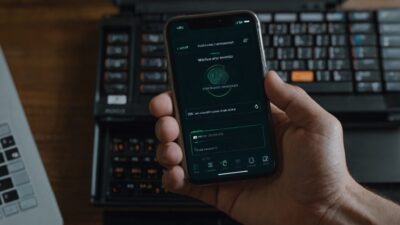
In decentralized marketplaces, crypto wallets replace traditional accounts and passwords. A wallet is essentially a secure application that stores a user’s private keys, which are used to prove ownership of funds and digital assets. When a user enters a marketplace, they connect their wallet rather than sign up with an email or username. This wallet serves as their identity, login, and permission layer, verifying who they are and what they own.
Unlike centralized platforms, where accounts can be suspended or controlled by the company, wallets give users full autonomy. They can move between marketplaces with the same wallet, carry their reputation, and maintain control of their funds. This system eliminates the need for centralized account management and ensures users retain control of their digital identities.
Smart Contracts Power Listings and Transactions
Smart contracts are the backbone of decentralized marketplaces, replacing intermediaries. When a seller lists an item, the details, such as price, description, and conditions, are encoded into a smart contract. This contract automatically enforces the rules: for example, it can hold funds in escrow until the buyer confirms delivery, then release payment to the seller. It also ensures that transactions follow agreed terms without requiring a third party to oversee them.
By automating listings, pricing, and settlement, smart contracts reduce human error, eliminate disputes caused by platform bias, and create trust through code. Sellers don’t need to rely on a company to honor agreements, and buyers don’t need to worry about manipulation or hidden fees. Everything is transparent, predictable, and executed exactly as programmed.
Payments, Settlement, and On-Chain Verification
Payments in decentralized marketplaces are made using cryptocurrencies or stablecoins, enabling fast, borderless, and secure transactions. When a buyer makes a purchase, funds are transferred directly from their wallet to the smart contract, which serves as escrow until the conditions are met. Settlement occurs automatically once the contract verifies that the transaction requirements, such as delivery confirmation, have been fulfilled.
Unlike traditional systems, where banks or payment processors handle settlement, blockchain ensures trustless execution. Every transaction is recorded on-chain, making it publicly verifiable and immutable. This transparency reduces fraud and builds confidence among participants. Buyers and sellers don’t need to trust each other personally; they trust the blockchain’s immutable record and the smart contract’s automated enforcement.
Storage and Marketplace Infrastructure
Marketplace infrastructure in decentralized systems relies on a mix of on-chain and off-chain storage. Critical data, such as transaction records and ownership proofs, is stored directly on the blockchain to ensure immutability and transparency. However, storing large files, such as product images or detailed descriptions, on-chain can be expensive and inefficient. To solve this, decentralized marketplaces often use distributed storage networks such as IPFS (InterPlanetary File System) or Arweave. These systems enable secure storage of metadata, images, and other content across multiple nodes, ensuring resilience and accessibility without relying on a single server.
This hybrid approach balances efficiency with transparency: the blockchain handles trust and verification, while decentralized storage supports scalability and user experience. Together, they create a robust infrastructure that keeps listings accessible, censorship-resistant, and secure even if individual servers fail.
Centralized vs Decentralized Marketplaces: A Differential Overview
Understanding the differences between centralized and decentralized marketplaces clarifies the trade-offs between traditional platforms (such as Amazon or eBay) and blockchain-powered alternatives (such as OpenSea or Origin Protocol).
| Aspect | Centralized Marketplace | Decentralized Marketplace |
| Ownership | The platform owns user accounts and data, and can restrict or revoke access. | Users own their assets directly through crypto wallets; no one can seize or freeze them. |
| Control | Rules, fees, and visibility are set by the platform operator. | Rules are coded into smart contracts; users collectively shape governance and participation. |
| Fees | Platforms charge commissions, listing fees, and hidden costs. | Lower fees; only network transaction costs (gas fees) apply, often cheaper overall. |
| Trust | Trust is placed in the company’s reputation, policies, and customer service. | Trust is placed in blockchain transparency and automated smart contracts that enforce rules. |
| Censorship Risk | Listings, accounts, or payments can be censored, removed, or blocked by the platform. | Resistant to censorship; transactions and listings remain accessible unless blocked by code. |
| User Experience | Familiar, polished interfaces with customer support, but limited flexibility and autonomy. | More freedom and control, but interfaces may be less polished and require crypto literacy. |
Centralized marketplaces offer convenience, polished design, and customer support but come with higher fees, limited ownership, and censorship risks. Decentralized marketplaces empower users with true ownership, lower costs, and censorship resistance, but require more technical knowledge and self-responsibility.
Real-World Use Cases of Decentralized Marketplaces
Decentralized marketplaces are already in use across multiple industries, from NFTs to AI services, demonstrating that the concept extends beyond theory.
- Digital Assets (NFTs & Gaming): One of the most visible use cases is digital asset trading, especially NFTs and in-game items. Platforms like OpenSea and Rarible allow creators to sell art, collectibles, and gaming assets directly to buyers without intermediaries. In gaming, projects such as Axie Infinity and The Sandbox enable players to trade characters, land, and items peer-to-peer, with ownership secured on the blockchain. This model empowers creators and gamers to monetize their work and play in ways traditional platforms cannot.
- Physical Goods: Decentralized marketplaces aren’t limited to digital items. Platforms such as OpenBazaar and Particl enable peer-to-peer trade of physical goods using cryptocurrency payments. Sellers list products directly, and buyers purchase without going through centralized e-commerce giants. This reduces fees, increases privacy, and resists censorship, making it attractive for communities seeking alternatives to Amazon or eBay.
- AI Services: AI is increasingly integrated into decentralized commerce. SingularityNET, for example, is a marketplace where developers and businesses can buy and sell AI services. Instead of relying on a single company, AI models are offered peer-to-peer, with smart contracts handling payments and usage rights. This democratizes access to AI, allowing small developers to monetize their algorithms and buyers to access a wider range of services without vendor lock-in.
- Peer-to-Peer Trade: At the core of decentralized marketplaces is direct peer-to-peer exchange. Platforms such as Origin Protocol and Particl enable individuals to trade goods and services globally, bypassing banks and payment processors. This is especially valuable in regions with limited access to traditional financial systems, as crypto payments can expand access for the unbanked.
- DAO-Owned Marketplaces: Some marketplaces are governed by Decentralized Autonomous Organizations (DAOs), meaning the community collectively decides rules, fees, and upgrades. For example, Origin Protocol’s marketplace is DAO-driven, giving participants voting rights over platform governance. This shifts power from corporations to users, ensuring marketplaces evolve in line with community needs rather than shareholder interests.
Decentralized marketplaces are no longer just experimental; they are actively reshaping commerce. From NFT art sales to physical goods trading, AI service exchanges, and community-owned platforms, they demonstrate how blockchain and smart contracts can create fairer, more open ecosystems where ownership, trust, and control rest with users.
Top Decentralized Ecommerce Platforms And Marketplaces
Decentralized marketplaces are reshaping online commerce by removing intermediaries and giving users direct control over assets, transactions, and governance. Below is an overview of leading platforms, evaluated based on their use cases, asset types, and levels of decentralization.
Rarible
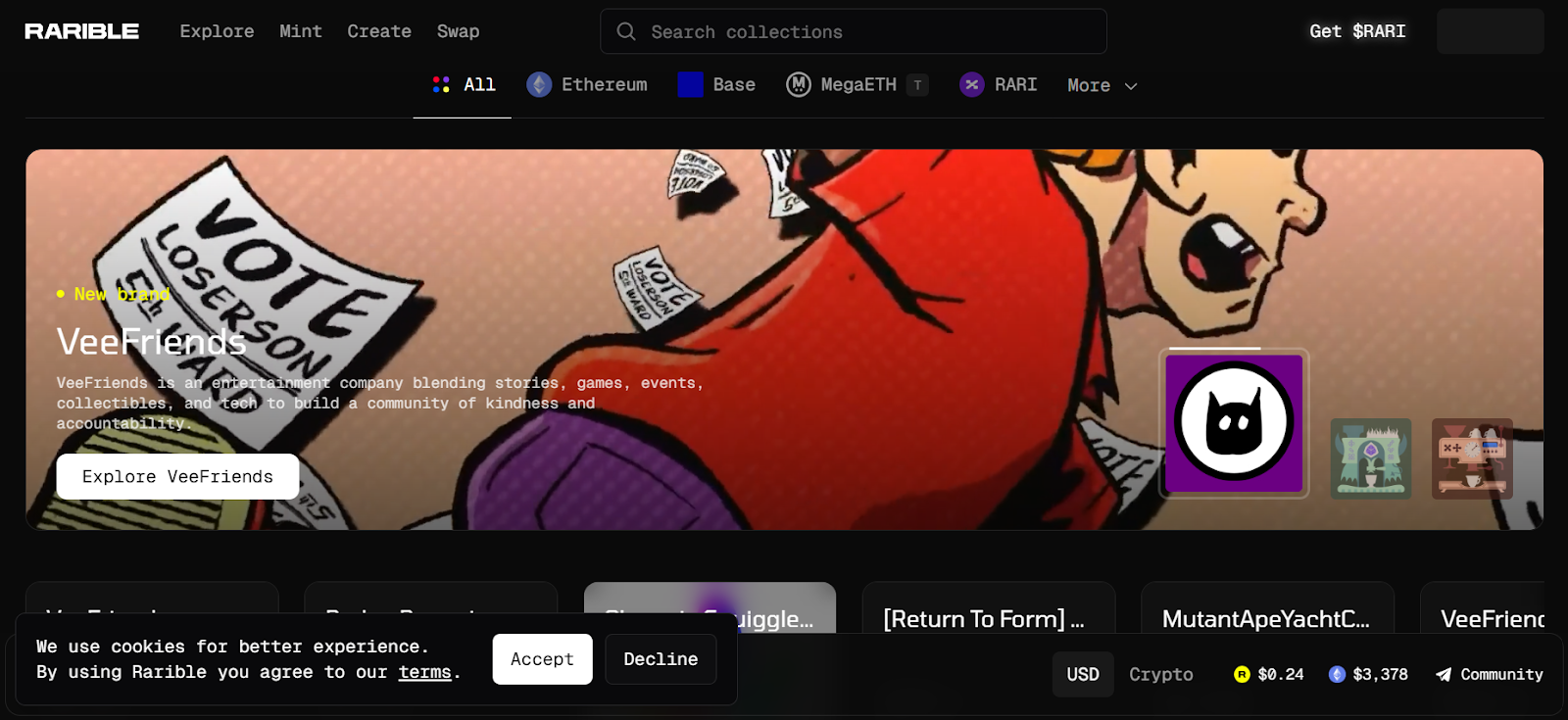
Rarible is a community-driven NFT marketplace that emphasizes decentralized governance. Users trade digital art, collectibles, and other tokenized assets, but what sets Rarible apart is its RARI governance token, which allows users to vote on platform upgrades and policies.
Compared to OpenSea, Rarible leans more toward decentralization by giving power to its community. It’s best suited for creators who value community ownership and governance alongside NFT trading.
Boson Protocol
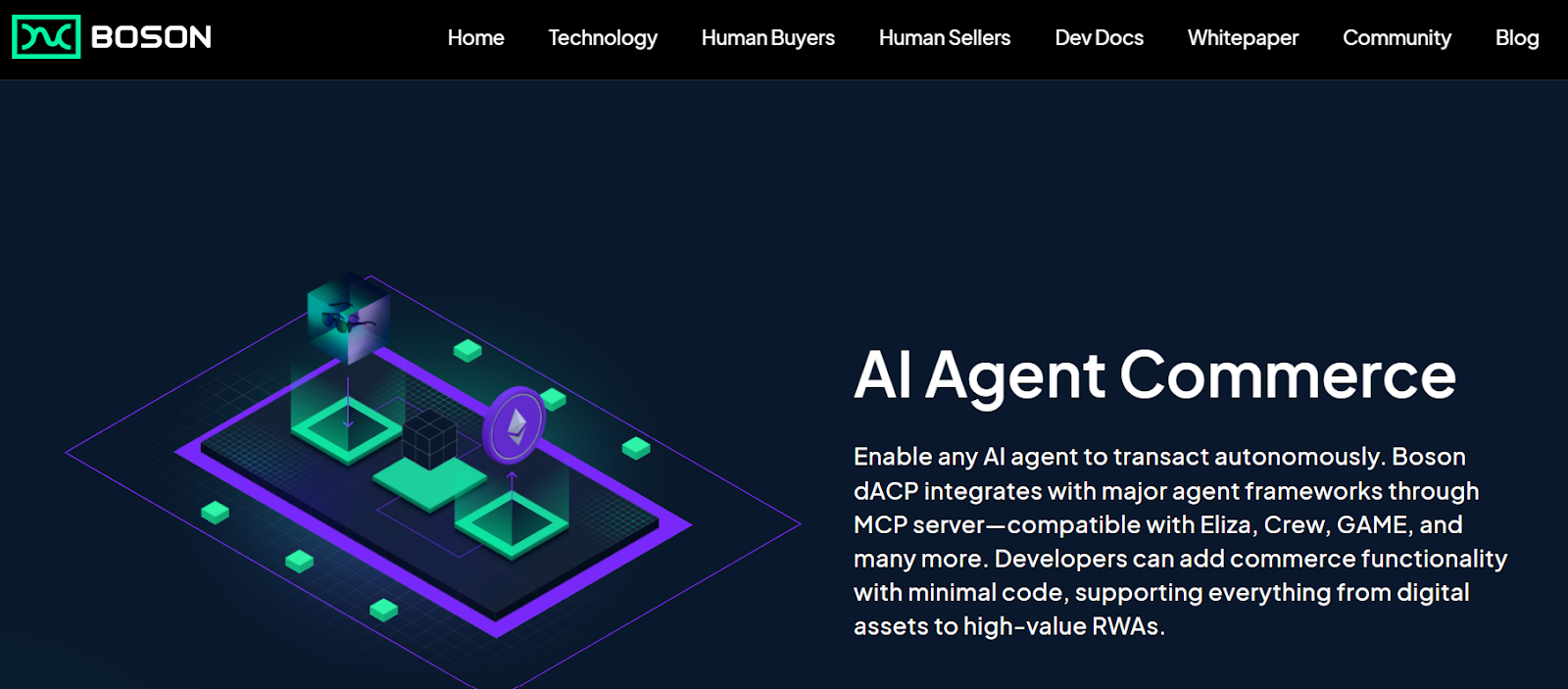
Boson Protocol focuses on bridging digital commerce with physical goods. It enables smart contracts to represent commitments to real-world items, which can later be redeemed. This allows decentralized marketplaces to sell physical products without intermediaries, using blockchain-based escrow and settlement.
Boson is highly decentralized in its design, as transactions and commitments are handled entirely on-chain. Best suited for businesses and projects looking to integrate real-world commerce into Web3 ecosystems.
Particl
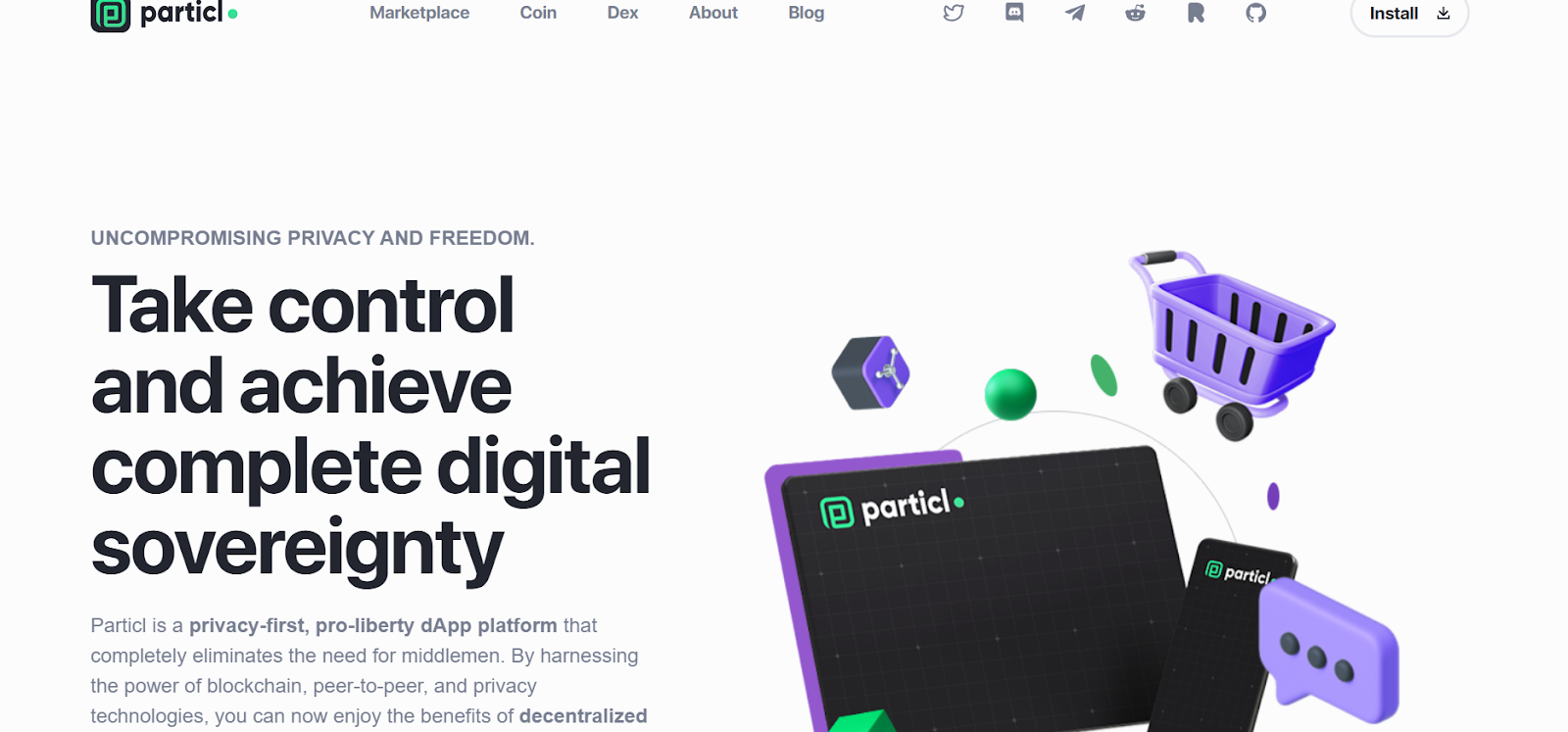
Particl is a privacy-focused decentralized marketplace where users can trade physical goods and services using cryptocurrency. It emphasizes anonymity, censorship resistance, and peer-to-peer exchange. Unlike NFT-focused platforms, Particl is more like a decentralized eBay, listing tangible products.
It is fully decentralized, with no central authority controlling listings or payments. Best suited for users who prioritize privacy, censorship resistance, and global peer-to-peer trade.
Zora
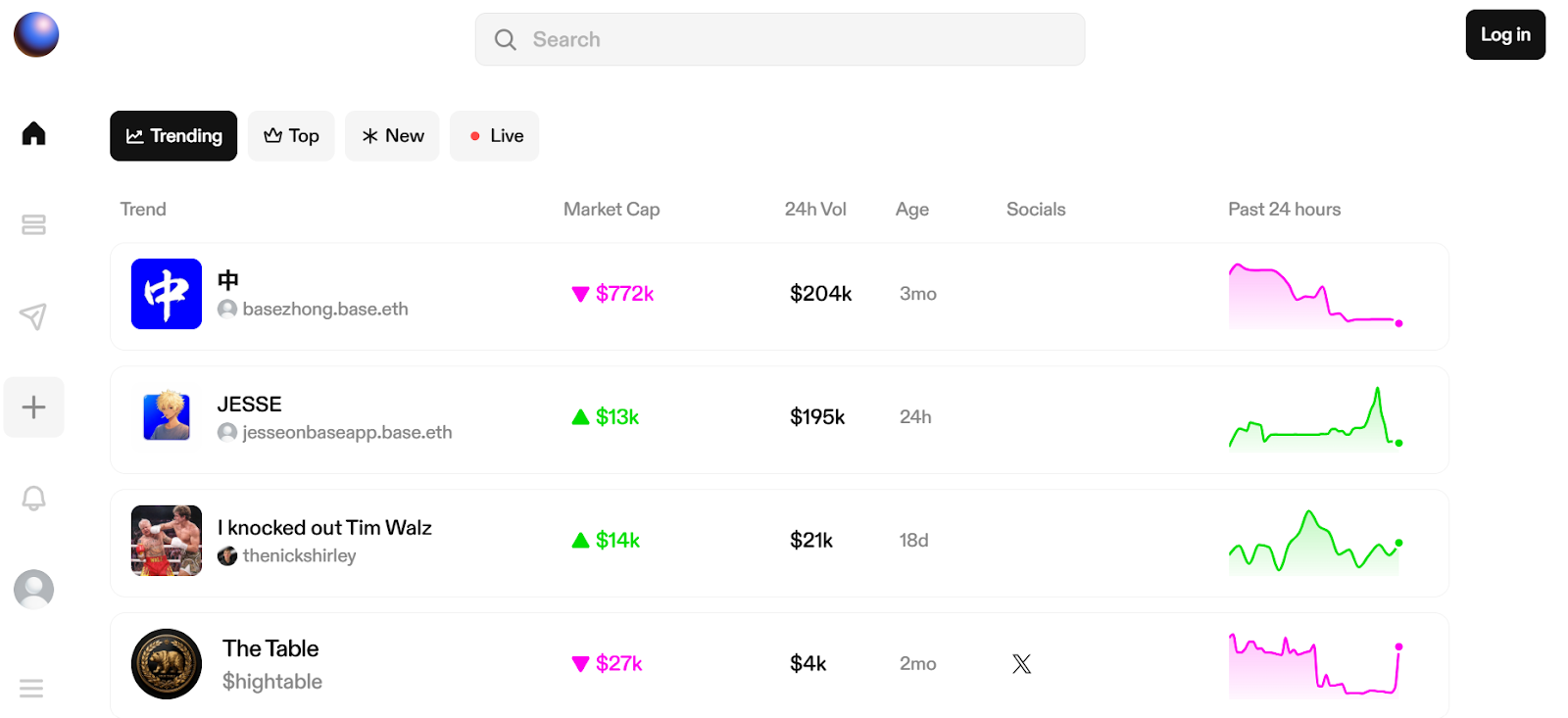
Zora is a decentralized protocol for NFT creation and trading, designed to make markets more open and permissionless. Unlike platforms that act as marketplaces, Zora is a protocol that enables anyone to build their own NFT marketplace or integrate NFT trading into apps.
It emphasizes decentralization by allowing assets and markets to exist independently of any single platform. Best suited for developers, creators, and communities who want to build custom NFT marketplaces or experiment with new economic models.
Origin Protocol
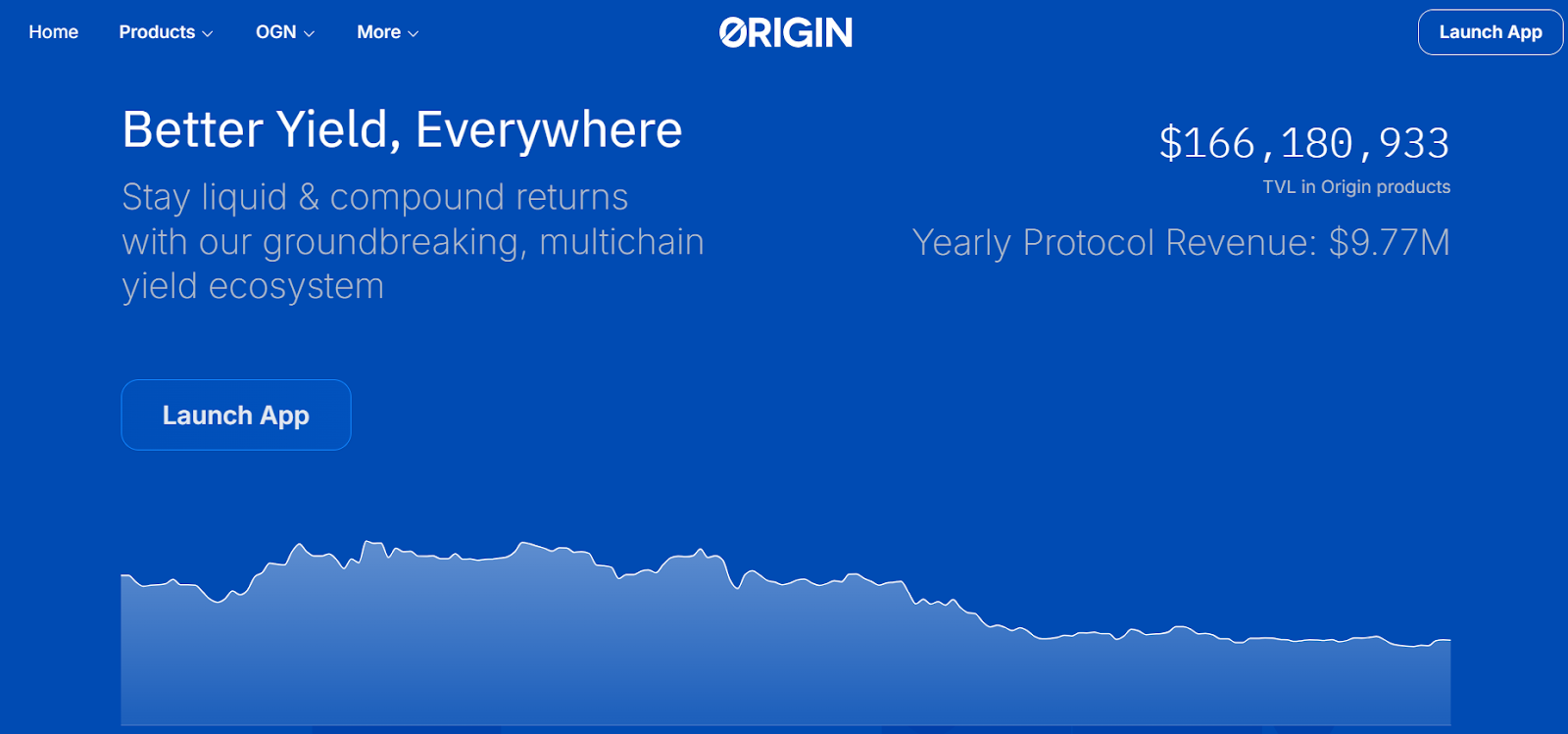
Origin Protocol powers decentralized marketplaces for digital goods, services, and NFTs, with a strong focus on DAO governance. Its Origin Marketplace allows peer-to-peer commerce, while Origin Story supports NFT launches.
The platform is governed by its community through the OGN token, making decision-making highly decentralized. Best suited for creators and communities who want DAO-owned marketplaces with flexible tools for launching and trading digital assets.
Challenges and Limitations of Decentralized Marketplaces
Decentralized marketplaces promise freedom, ownership, and censorship resistance, but they also face real challenges that limit mainstream adoption. Here is a balanced look at the key issues and how the ecosystem is working to address them:
- Usability: Most decentralized marketplaces require users to understand crypto wallets, private keys, and gas fees. This creates a steep learning curve compared with the simplicity of logging in to Amazon or eBay. Decentralization eliminates intermediaries, requiring users to manage their own identities and funds. Projects are building more user-friendly wallets, integrating fiat on-ramps, and designing interfaces that hide blockchain complexity while keeping users in control.
- Scalability: Blockchains can struggle to handle high transaction volumes, leading to slower processing times and higher fees during peak demand. Decentralized systems rely on distributed consensus, which is inherently slower than centralized databases. Layer-2 solutions (such as Polygon, Arbitrum, and Optimism) and alternative blockchains are being adopted to process more transactions at lower costs, improving scalability without sacrificing decentralization.
- Dispute Resolution: In traditional marketplaces, customer service teams handle disputes related to refunds, fraud, and delivery issues. In decentralized marketplaces, there’s no central authority to mediate. Removing intermediaries means disputes must be solved through code or community governance. Platforms are experimenting with decentralized arbitration systems, reputation scores, and DAO-based governance models where communities vote on resolutions.
- Regulatory Uncertainty: Governments worldwide are still determining how to regulate decentralized commerce, particularly when it involves cross-border trade, digital assets, or anonymous transactions. Decentralized marketplaces operate outside traditional frameworks, making compliance with tax, consumer protection, and anti-money laundering laws complex. Some projects are adopting hybrid models that allow optional compliance features, while industry groups are working with regulators to create clearer guidelines.
- Adoption Barriers: Mainstream users often hesitate to adopt decentralized marketplaces due to volatility in crypto prices, lack of trust in new platforms, and limited awareness. Decentralization shifts responsibility to users, which can feel overwhelming compared to the convenience of centralized platforms. Education initiatives, stablecoin integration, and partnerships with established brands are helping bridge the gap and make decentralized commerce more accessible.
Decentralized marketplaces are powerful but still evolving. Their challenges, such as usability, scalability, dispute resolution, regulatory uncertainty, and adoption barriers, stem from the very features that make them unique. The ecosystem is actively addressing these issues through better UX, scaling solutions, decentralized governance, regulatory dialogue, and education, paving the way for broader adoption.
Summing Up
Decentralized marketplaces represent a fundamental shift in how online commerce operates. Instead of relying on centralized platforms to manage accounts, payments, and trust, they use blockchain and smart contracts to let buyers and sellers interact directly. Users authenticate through wallets, transactions are executed automatically by code, and ownership remains firmly in the hands of individuals.
They matter because they redistribute power, reduce platform control, lower fees, resist censorship, and expand access for global participants. Trust is built on transparency and automation rather than corporate oversight, creating fairer and more inclusive ecosystems.
Looking ahead, decentralized marketplaces are steadily evolving to address challenges in usability, scalability, and regulatory compliance. As these improvements take hold, they are poised to become a cornerstone of digital commerce, shaping an online marketplace experience defined by freedom, ownership, and empowerment.
Frequently Asked Questions
How are decentralized marketplaces different from traditional marketplaces?
Decentralized marketplaces let buyers and sellers trade directly using blockchain and smart contracts, ensuring ownership, transparency, and censorship resistance. Traditional marketplaces rely on central platforms to control accounts, fees, and trust. The key difference: decentralization shifts power from corporations to individuals, reducing intermediaries and empowering global peer-to-peer commerce.
Are decentralized marketplaces safe to use?
Decentralized marketplaces are generally safe because blockchain ensures transparency and smart contracts enforce rules automatically. However, users must manage their own wallets and security, which places additional responsibility on them. While resistant to fraud and censorship, risks like scams, poor usability, and regulatory uncertainty remain, requiring caution and informed participation.
Can decentralized marketplaces support physical goods?
Yes, decentralized marketplaces can support physical goods. Platforms such as Boson Protocol and Particl enable peer-to-peer trading of physical goods through blockchain-based escrow and cryptocurrency payments. Smart contracts ensure trustless transactions, while decentralized storage maintains listings, allowing sellers to offer real-world products without relying on centralized intermediaries.
How do payments work on decentralized marketplaces?
Payments on decentralized marketplaces use cryptocurrencies or stablecoins, transferred directly between buyer and seller wallets. Smart contracts act as escrow, releasing funds only when agreed conditions are met. Settlement is trustless, recorded on the blockchain, and publicly verifiable, ensuring transparency and security while eliminating reliance on banks or intermediaries.
How do the fees work on decentralized marketplaces?
Fees on decentralized marketplaces are typically lower than those on traditional platforms. Instead of platform commissions, users pay network transaction costs (gas fees) to process trades on the blockchain. Some marketplaces may add small protocol fees, but overall, costs are transparent, predictable, and directly tied to blockchain activity rather than intermediaries.
Disclaimer
This article is for educational and information purposes, and should not be considered financial advice. For more information visit our disclaimer page
About the Author