
The DeFi ecosystem in 2026 is thriving, with billions locked across protocols that offer yield farming, lending, staking, and NFT trading. But none of that matters if your wallet can’t connect to the dApps you need.
Choosing the right DeFi wallet shapes your entire crypto experience. The best options bridge multiple blockchains, enable direct staking, and integrate with thousands of decentralized applications while maintaining top-tier security. Your wallet determines how smoothly everything works.
This guide covers the 12 best DeFi wallets currently available, from industry standards like MetaMask to innovative options with features such as social recovery and seedless security.
What is a DeFi Wallet?
A DeFi wallet gives you complete control over your crypto through private keys only you possess. Unlike exchange accounts, where the platform holds your funds, DeFi wallets put you in charge. No third party can freeze, seize, or restrict your assets.
DeFi wallets connect directly to decentralized applications. Swap on Uniswap, provide liquidity on PancakeSwap, mint NFTs on OpenSea, and your wallet handles it all. With Web3 integration, your wallet serves as both your identity and your bank account.
DeFi wallets fall into two categories: hot wallets (software connected to the internet) and cold wallets (hardware devices that store keys offline). Hot wallets like MetaMask excel at convenience. Cold wallets like Ledger prioritize security for long-term holdings. Most experienced users employ both.
The key difference from standard crypto wallets is built in DeFi functionality. Regular wallets send and receive. DeFi wallets add native staking, token swaps through DEX aggregators, NFT galleries, dApp browsers, and multi-chain bridges, making complex interactions accessible to everyone.
12 Best DeFi Wallets in 2026
We have evaluated leading wallets based on security, chain support, DeFi features, and usability. Each option below excels in specific areas, whether you need beginner simplicity, advanced features, or maximum security.
Quick Comparison:
| Wallet | Type | Best For | Chains | Key Strength |
| MetaMask | Hot | Ethereum DeFi | 10+ EVM | Universal Compatibility |
| Trezor Safe 3 | Cold | Security | 8,000+ | EAL6+ chip |
| Trust Wallet | Hot | Beginners | 100+ | All-in-one mobile |
| Tangem | Cold | Portability | 6,000+ | NFC card |
| Phantom | Hot | Solana | Sol + EVM | Speed & UX |
| Edge | Hot | Privacy | 100+ | No KYC |
| Coinbase Wallet | Hot | Simplicity | Multi-chain | No seed phrase |
| Guarda | Hot | Variety | 400,000+ | 50+ blockchains |
| Binance Web3 | Hot | Binance users | 70+ | Exchange link |
| Ledger Nano S Plus | Cold | Budget security | 5,500+ | Trusted brand |
| Ready Wallet (Formerly Argent) | Hot | Recovery | ETH L1/L2 | Social guardians |
| Exodus | Hot | Design | 260+ | Beautiful UX |
1. MetaMask
Overview: The industry standard since 2016, MetaMask dominates Ethereum DeFi with unmatched support for protocols and millions of active users.
Supported Cryptos & Networks: Ethereum, Polygon, Arbitrum, Optimism, BSC, Avalanche, and all EVM chains via custom RPC.
Key Features: Browser extension (Chrome, Firefox, Brave, Edge), mobile apps (iOS/Android), hardware integration (Ledger/Trezor), built-in token swaps, ETH staking via Lido/Rocket Pool, portfolio tracking.
Pros: Widely supported across DeFi, extensive documentation, regular audits, free, and simple recovery.
Cons: Limited non-EVM support, phishing vulnerabilities, and high gas fees that surprise beginners.
Ideal For: Ethereum DeFi users, Web3 beginners, developers, and anyone needing maximum dApp compatibility.
2. Trezor Safe 3
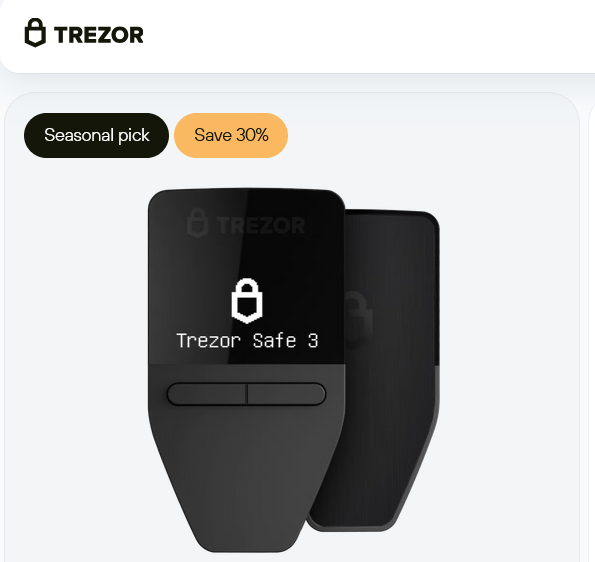
Overview: Hardware wallet gold standard, featuring an EAL6+-certified chip for maximum security while maintaining DeFi accessibility.
Supported Cryptos & Networks: Bitcoin, Ethereum, Solana, Cardano, Ripple, and 8,000+ assets across multiple chains.
Key Features: EAL6+ security chip, Tor integration, Coinjoin support, Shamir backup, software wallet compatibility (MetaMask, Exodus), Trezor Suite Lite mobile app.
Pros: Industry-leading security, open-source firmware, 10+ year track record, extensive asset support.
Cons: Requires a physical device, $79 price, learning curve, and no Cosmos/Avalanche direct support.
Ideal For: Long-term holders, security-focused users, large portfolios, and anyone prioritizing protection.
3. Trust Wallet
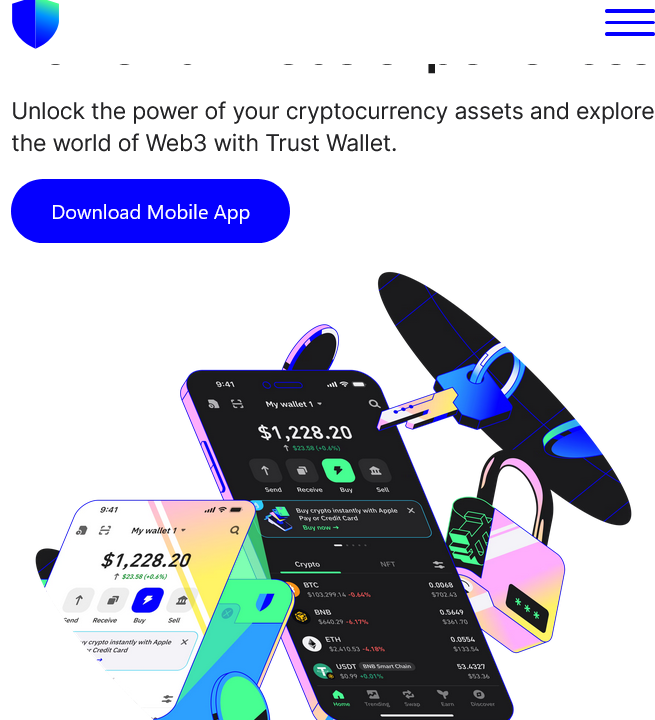
Overview: Mobile-first wallet supporting 100+ blockchains and millions of assets with comprehensive DeFi features built in.
Supported Cryptos & Networks: 100+ networks, including BTC, ETH, BNB, SOL, plus 10M+ tokens and 600M+ NFTs.
Key Features: dApp browser, staking (23+ assets), NFT gallery, token swaps, WalletConnect support, security audits by CertiK/Kudelski/Halborn.
Pros: Massive multi-chain support, completely free, intuitive mobile design, regular updates.
Cons: Limited customer support, Android updates lag iOS, mobile-only (no desktop).
Ideal For: Mobile-first users, multi-chain holders, NFT collectors, beginners wanting simplicity.
4. Tangem Wallet
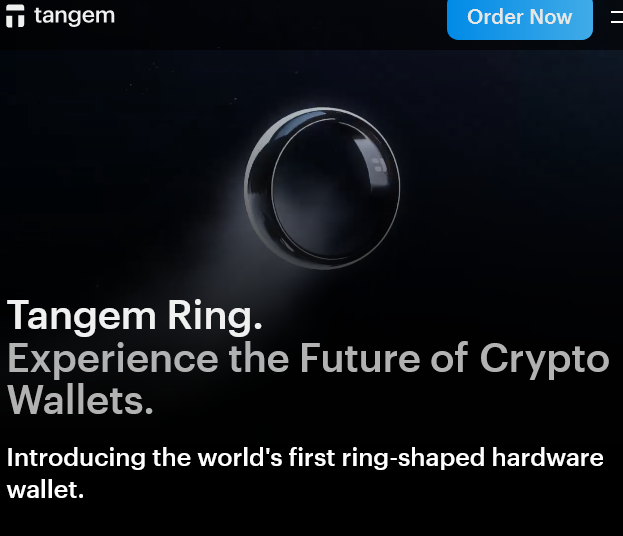
Overview: NFC-enabled card hardware wallet combining cold storage security with unprecedented portability.
Supported Cryptos & Networks: 6,000+ cryptocurrencies across Bitcoin, Ethereum, BSC, Polygon, and major networks.
Key Features: NFC tap-to-sign, EAL6+ chip, water- and dust-resistant, 2-3 backup cards included, no batteries, Tangem Ring option.
Pros: Wallet-sized portability, no charging needed, beginner-friendly tap interface, durable build.
Cons: Losing all cards means losing funds (unless seed saved), limited advanced features, requires an NFC phone.
Ideal For: Portability seekers, travelers, people who lose USB devices, and crypto gift givers.
5. Phantom Wallet
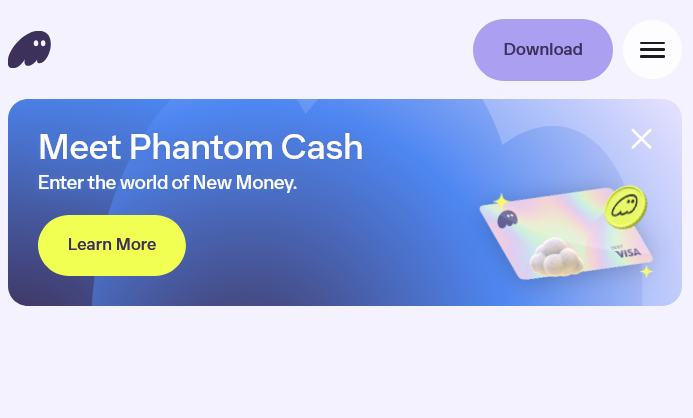
Overview: Solana ecosystem leader expanding to Ethereum and Polygon with a focus on speed and user experience.
Supported Cryptos & Networks: Solana (native/SPL), Ethereum (ERC-20), Polygon, Bitcoin, Base, Sui.
Key Features: Solana-optimized performance, NFT gallery, Jupiter swap aggregator, Ledger integration, multi-chain expansion, browser extension + mobile apps.
Pros: The fastest Solana experience, a beautiful interface, excellent NFT management, and active development.
Cons: Still primarily Solana-focused, limited chain variety, and newer than competitors.
Ideal For: Solana DeFi users, NFT traders, and anyone prioritizing speed and design.
6. Edge Wallet
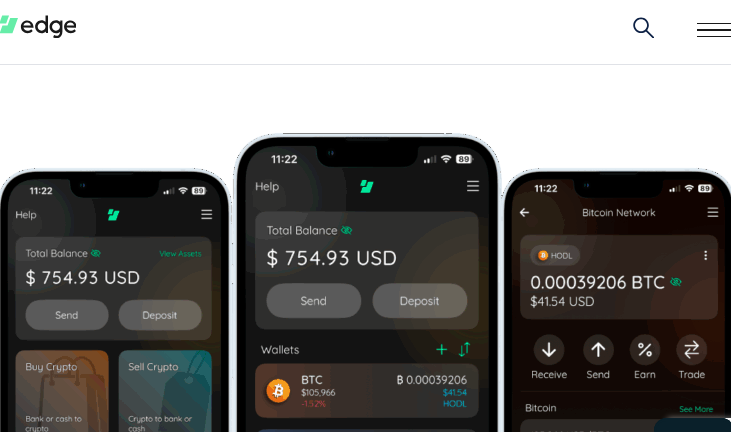
Overview: Privacy-focused mobile wallet requiring no KYC with client-side encryption and complete user sovereignty.
Supported Cryptos & Networks: 100+ cryptocurrencies, including Bitcoin, Ethereum, Litecoin, XRP, and major assets.
Key Features: No KYC required, client-side encryption, built-in exchange, fiat on/off ramps, automatic encrypted backups, biometric security.
Pros: True privacy (no data collection), user-friendly, built-in buying/selling, 24/7 support.
Cons: Smaller asset selection, mobile-only, limited DeFi integrations, and higher swap fees.
Ideal For: Privacy advocates, beginners wanting simplicity, people avoiding KYC.
7. Coinbase Web3 Wallet
Overview: Innovative MPC security eliminates seed phrases while maintaining non-custodial control through a three-key-share system.
Supported Cryptos & Networks: Multi-chain across Ethereum, Polygon, Arbitrum, Optimism, Base, and EVM chains.
Key Features: MPC security (no seed phrase), three key shares (device/cloud/wallet), dApp browser, NFT support, token swaps, passkey backups, and sponsored gas.
Pros: No seed phrase management, Coinbase Exchange integration, advanced MPC security, beginner-friendly.
Cons: Newer MPC approach, cloud storage dependency, EVM only currently, overwhelming for some.
Ideal For: Coinbase users, people intimidated by seed phrases, and multi-chain participants.
8. Guarda Wallet
Overview: Universal wallet supporting 400,000+ assets across 50+ blockchains with availability on every platform.
Supported Cryptos & Networks: 400,000+ assets across 50+ networks, including all major cryptocurrencies and extensive altcoins.
Key Features: Multi-platform (web/iOS/Android/desktop/extension), built-in exchange, staking (10+ assets), credit card purchases, and support for custom tokens.
Pros: Massive asset selection, available everywhere, integrated features, and regular updates.
Cons: Cluttered interface, slower support, exchange rates not always competitive.
Ideal For: Altcoin investors, multi-device users, diversified portfolios.
9. Binance Web3 Wallet
Overview: Integrated Binance ecosystem wallet with self-custody across 70+ chains and seamless exchange connection.
Supported Cryptos & Networks: 70+ blockchains with native BSC integration and cross-chain bridge support.
Key Features: Binance integration, multi-chain DEX access, DeFi protocols, MPC technology (no seed phrase), cross-chain swaps, and gas optimization.
Pros: Seamless Binance connection, extensive multi-chain support, no seed phrase, and competitive rates.
Cons: Tied to Binance, advanced features are complex, less established, and regulatory uncertainty.
Ideal For: Binance users, multi-chain traders, and BSC participants.
10. Ledger Nano S Plus
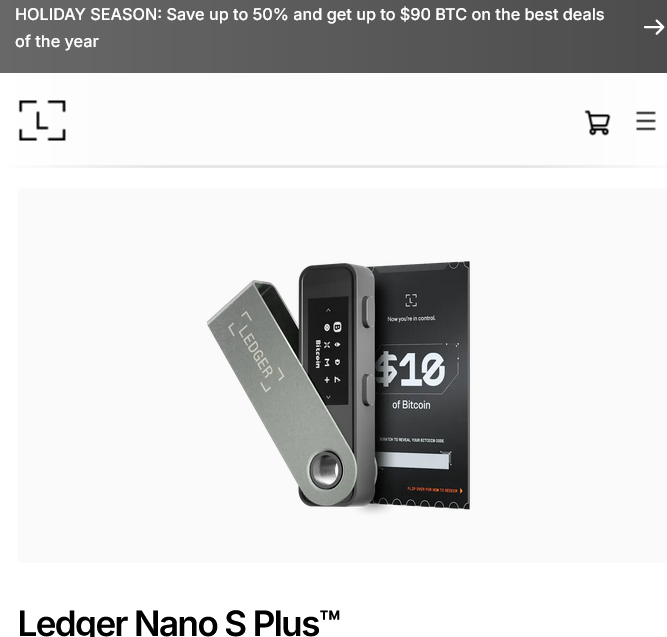
Overview: Affordable hardware security supporting 5,500+ assets and integrating with 50+ DeFi wallets at a budget-friendly price.
Supported Cryptos & Networks: 5,500+ assets, including Bitcoin, Ethereum, Cardano, Solana, and major cryptocurrencies.
Key Features: CC EAL5+ chip, 100 app capacity, DeFi integration (MetaMask compatible), NFT support, Ledger Live app, USB-C connection.
Pros: Affordable ($79), trusted 10+ year brand, extensive support, regular updates.
Cons: No Bluetooth (USB only); smaller screen; no battery; fewer features than premium models.
Ideal For: Budget-conscious security seekers, DeFi users seeking hardware protection, first-time hardware buyers.
11. Ready (Formerly Argent)
Overview: Revolutionary social recovery system eliminates seed phrases through a guardian network while maintaining self-custody.
Supported Cryptos & Networks: Ethereum mainnet, Arbitrum, Optimism, zkSync, StarkNet Layer 2 networks.
Key Features: Social recovery (no seed phrase), guardian system, biometric security, gas-free Layer 2 transactions, built-in DeFi, WalletConnect, and daily limits.
Pros: No seed phrase to lose, recovery through guardians, excellent Layer 2 support, beautiful interface.
Cons: Ethereum only, guardian setup required, less control than traditional wallets, and mobile-only.
Ideal For: Beginners intimidated by seed phrases, Layer 2 users, and people with trusted recovery contacts.
12. Exodus Wallet
Overview: Award-winning design meets comprehensive functionality across desktop and mobile with full device synchronization.
Supported Cryptos & Networks: 260+ cryptocurrencies, including Bitcoin, Ethereum, Solana, Cardano, and major assets.
Key Features: Beautiful interface, desktop & mobile sync, built-in exchange, staking (15+ assets), portfolio tracking, 24/7 support, Trezor integration.
Pros: Best-in-class UI, excellent support, regular updates, easy portfolio view, great on all platforms.
Cons: Higher exchange rates than DEXs, not fully open-source, limited asset selection, and limited advanced DeFi capabilities.
Ideal For: Design-conscious users, beginners, portfolio trackers, Trezor owners.
How to Choose the Best DeFi Wallet For Your Needs
Match your wallet to your actual situation using this decision framework:
Security Priority:
- Maximum Security: Hardware wallet (Trezor Safe 3, Ledger Nano S Plus, Tangem)
- Balanced: Hot wallet + hardware integration (MetaMask + Ledger)
- Convenience: Mobile hot wallet (Trust Wallet, Phantom, Argent)
Chain Needs:
- Primarily Ethereum → MetaMask or Argent
- Primarily Solana → Phantom
- Multi-chain (3+) → Trust Wallet or Guarda
- Binance ecosystem → Binance Web3 Wallet
- Privacy-focused → Edge Wallet
Experience Level:
Beginners: Trust Wallet, Coinbase Web3 Wallet, Argent: simplified interfaces, good support, recovery options.
Intermediate: MetaMask, Exodus, Phantom: balance features, usability, and extensive DeFi access.
Advanced: MetaMask + Ledger, Phantom + hardware, Argent for Layer 2: maximum protocol compatibility and security.
Decision Checklist:
- What chains do I use most?
- How much am I securing? ($10K+ → hardware)
- How often do I trade? (Active → hot wallet)
- Comfortable with seed phrases? (No → Argent/Coinbase Web3)
- Mobile, desktop, or both needed?
- My technical comfort level?
- Want built-in features or a minimal design?
Smart Strategy:
Many users employ multiple wallets:
- Active Trading (5-20%): Hot wallet for DeFi (MetaMask, Phantom)
- Medium Holdings (30-50%): Hot + hardware (Exodus + Trezor)
- Long-Term Cold Storage (30-70%): Pure hardware (Ledger, Trezor)
This tiered approach balances convenience with security while protecting against single points of failure.
Wrapping Things Up
The 2026 DeFi wallet landscape offers options for everyone. MetaMask dominates Ethereum with unmatched dApp support. Hardware wallets like Trezor Safe 3 and Ledger Nano S Plus deliver serious security without sacrificing DeFi access. Mobile-first solutions like Trust Wallet and Phantom make multi-chain DeFi accessible to beginners.
Your perfect wallet matches your usage patterns, not just feature lists. Exploring DeFi for the first time? Start with Trust Wallet or Coinbase Web3 Wallet. Active trading? MetaMask’s integrations or Phantom’s speed serve you well. Protecting significant amounts? Prioritize Trezor or Ledger hardware security.
Remember that smart security practices matter more than wallet choice alone. Never share seed phrases, verify transactions before approving, start small when testing protocols, and maintain backups in multiple secure locations.
Want to stay ahead of DeFi trends and master advanced strategies? Join Dypto Crypto for weekly insights, beginner-friendly guides, and expert analysis, helping you navigate this space confidently, whether you’re just starting or scaling your portfolio.
Frequently Asked Questions
How is a DeFi wallet different from other crypto wallets?
DeFi wallets are specifically designed to interact with decentralized applications and smart contracts. While regular wallets focus on sending and receiving, DeFi wallets add dApp browsers, built-in swaps, staking interfaces, and Web3 connectivity. They act as your identity when connecting to protocols, letting you lend, provide liquidity, trade on DEXs, and participate in governance directly from the wallet.
Are DeFi wallets safe to use?
DeFi wallets are very safe with proper usage. Hardware wallets (Trezor, Ledger) offer highest security through offline key storage. Hot wallets (MetaMask, Trust Wallet) are safe for moderate amounts with strong passwords, 2FA, and transaction verification. The biggest risks come from user errors like phishing scams, fake websites, and malicious contract approvals rather than wallet vulnerabilities themselves.
Which DeFi wallet supports the most dApps?
MetaMask supports the most dApps overall as the Ethereum ecosystem standard. Nearly every DeFi platform on Ethereum, Polygon, Arbitrum, Optimism, BSC, and EVM chains integrates MetaMask first. For Solana, Phantom has become the equivalent with near-universal support. Trust Wallet also offers extensive multi-chain dApp support through its built-in browser.
Are DeFi wallets free to use?
Most DeFi wallets are completely free to download with no subscription fees. Hot wallets (MetaMask, Trust Wallet, Phantom, Exodus) cost nothing. You only pay blockchain gas fees that go to network validators. Hardware wallets require upfront purchases ($79-$169) but have no ongoing subscriptions. Some wallets charge small percentages on built-in swaps, but you can use external DEXs to avoid those fees.
Disclaimer
This article is for educational and information purposes, and should not be considered financial advice. For more information visit our disclaimer page
About the Author