


The rise of crypto hedge funds marks a turning point in how digital assets are being managed, traded, and scaled for institutional adoption. Once seen as a niche experiment, these funds now manage billions in assets, employing sophisticated strategies that rival traditional finance while navigating the unique volatility of blockchain markets. Their influence is reshaping the landscape by bringing credibility, liquidity, and professional risk management to an industry that was once dominated by retail speculation.
In this blog, we will explore nine of the most impactful crypto hedge funds driving innovation and growth today. You will learn what makes each fund stand out, its focus areas, investment styles, achievements, and reputations, and why traders and investors should pay close attention to them. Whether you are curious about the pioneers of Bitcoin investing or the venture-style funds backing the next wave of Web3 startups, this article will show you how these players are shaping the future of digital asset investing.
How Does a Crypto Hedge Fund Work?
A crypto hedge fund pools investor capital to trade and invest in cryptocurrencies using professional strategies, charging management and performance fees while actively managing risk in volatile markets.
- Capital Raising: Its investment base typically includes high-net-worth individuals, family offices, or institutions. Retail investors are often excluded due to regulatory restrictions. Investors commit capital to the fund, which is pooled together. Minimum investments can range from tens of thousands to millions of dollars. Funds are usually registered in jurisdictions with favorable regulatory frameworks (e.g., the Cayman Islands, Switzerland, and Singapore).
- Investment Selection: Once capital is secured, the fund managers select investments using a variety of strategies. Unlike simply buying and holding Bitcoin, crypto hedge funds employ diversified strategies, including long/short trading, arbitrage across exchanges, quantitative algorithmic trading, and venture-style investments in early-stage blockchain projects. Each opportunity is carefully evaluated through due diligence, considering factors like liquidity, project fundamentals, tokenomics, and regulatory risks.
- Fee Structure: The fee structure of a crypto hedge fund is designed to compensate managers for both their expertise and performance. Most funds charge a management fee of around 2% annually on assets under management, covering operational costs such as salaries and infrastructure. In addition, they typically charge a performance fee of about 20% of profits generated. To protect investors, many funds use a “high-water mark,” meaning managers only earn performance fees if the fund surpasses its previous peak value.
- Risk Management: Risk management is central to a crypto hedge fund’s operations, given the extreme volatility of digital assets. Managers diversify capital across multiple assets and strategies to reduce exposure to any single failure. They monitor leverage carefully to avoid liquidation risks and rely on institutional-grade custodians to secure assets against hacks or theft. Liquidity management ensures that enough cash or stablecoins are available to meet investor redemptions, while compliance with KYC and AML regulations helps mitigate legal risks.
In practice, crypto hedge funds operate much like traditional hedge funds but in a far more volatile environment. This creates the potential for outsized gains relative to traditional assets, but it also exposes investors to higher risks, including exchange hacks, regulatory crackdowns, and extreme price swings. For many investors, the appeal of a crypto hedge fund is the ability to gain exposure to these markets without directly managing wallets, exchanges, or complex trading strategies.
9 Best Crypto Hedge Funds to Track
Crypto hedge funds are at the forefront of digital asset investing, blending traditional financial expertise with blockchain innovation. They provide traders and investors with exposure to cryptocurrencies, DeFi, and Web3 projects while professionally managing risk. Below are nine standout funds that shape the industry.
1. Pantera Capital

Pantera Capital, founded in 2003 by Dan Morehead, is one of the earliest and largest crypto hedge funds. It launched the first U.S. Bitcoin fund in 2013 when BTC was just $65. Pantera focuses on blockchain ventures, liquid tokens, and early-stage projects, with over $5 billion in assets under management. Its pioneering role and consistent innovation make it a benchmark for institutional crypto investing.
2. Grayscale Investments

Grayscale Investments, a subsidiary of Digital Currency Group, is the world’s largest digital asset manager. Known for its flagship Grayscale Bitcoin Trust (GBTC), it provides regulated access to Bitcoin, Ethereum, and diversified crypto funds. With billions in AUM, Grayscale has made crypto accessible to mainstream investors through ETFs and trusts, cementing its reputation as a gateway to institutional adoption.
3. Paradigm
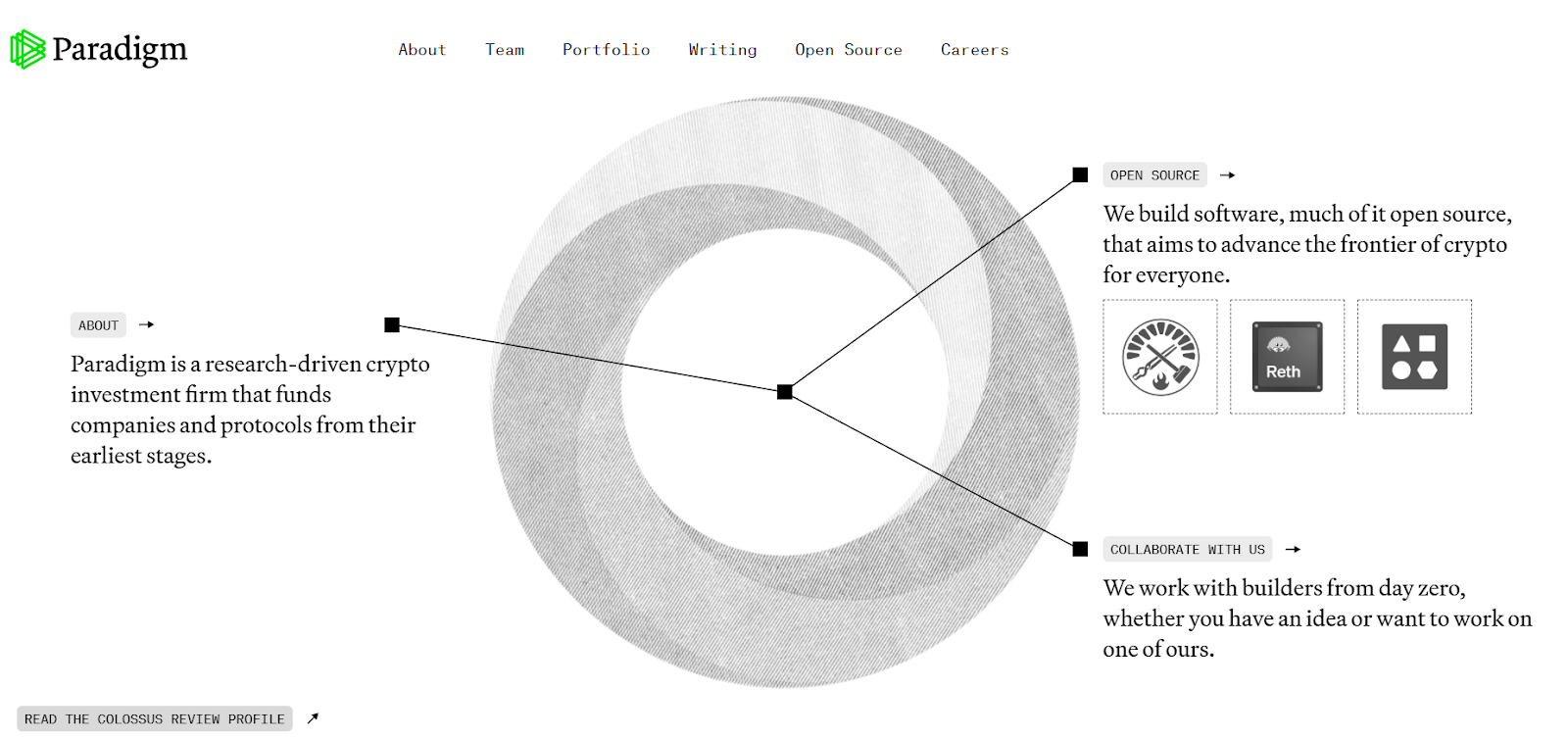
Paradigm, co-founded in 2018 by Fred Ehrsam (Coinbase) and Matt Huang (Sequoia), is a research-driven investment firm with $10 billion AUM. It backs crypto companies and protocols from their earliest stages, combining venture capital with hedge fund strategies. Paradigm’s reputation stems from its deep technical expertise and support for groundbreaking projects, making it a key player in shaping the crypto ecosystem.
4. Digital Currency Group (DCG)
DCG is a powerhouse investor and operator in the crypto industry, backing hundreds of blockchain companies worldwide. Founded by Barry Silbert, DCG owns subsidiaries like Grayscale and CoinDesk, giving it broad influence across media, investment, and infrastructure. Its diversified portfolio and role as a capital engine make DCG essential to the growth of the digital asset sector.
5. Bitwise Asset Management

Bitwise specializes in crypto index funds and ETFs, offering investors diversified exposure to digital assets. Its Multi-Strategy Alpha Fund has delivered strong returns, and the firm partners with thousands of financial advisors and institutions. Known for transparency and research-driven insights, Bitwise helps bridge traditional finance with crypto markets.
6. Brevan Howard Digital

Brevan Howard Digital is the crypto arm of the global macro hedge fund Brevan Howard. In 2022, it raised over $1 billion in the largest crypto hedge fund launch to date. Focused on institutional-grade trading and digital asset strategies, Brevan Howard Digital brings traditional finance credibility to the crypto space, making it a trusted name for large-scale investors.
7. Multicoin Capital

Founded in 2017, Multicoin Capital is known for high-conviction, thematic investments in tokens and blockchain companies. Its hedge fund has delivered staggering returns, reportedly over 9,000% since inception. Multicoin combines public market trading with venture-style backing, earning a reputation for bold bets on category-defining projects.
8. BlockTower Capital

BlockTower Capital, now merged with ARCA, applies institutional trading, venture investing, and credit strategies to digital assets. Despite challenges such as cyberattacks, it remains a respected player with $1.7 billion in AUM. BlockTower’s blend of hedge-fund discipline and venture-capital agility makes it a notable firm for traders watching institutional crypto adoption.
9. Andreessen Horowitz (a16z Crypto)

Andreessen Horowitz’s a16z Crypto fund is one of the most influential venture investors in Web3. Launched in 2018, it backs bold entrepreneurs building the next internet, with billions committed to blockchain startups. Known for shaping narratives around crypto adoption, a16z combines venture capital scale with hedge fund-style strategies, making it a must-watch for traders and innovators.
Key Factors to Evaluate Before Choosing a Hedge Fund
Choosing a hedge fund isn’t just about chasing returns; it is about ensuring your capital is managed responsibly, securely, and transparently. Here is a practical, investor-focused checklist of key factors to evaluate when selecting a hedge fund. Each point highlights what to look for and why it matters:
- Track Record: Review the fund’s historical performance across different market cycles. Consistency and resilience during downturns are more important than one-off high returns.
- Risk Management: Understand how the fund manages volatility, leverage, and liquidity. Strong risk controls protect capital during market stress and reduce the chance of catastrophic losses.
- Fees: Examine both management and performance fees. Typical structures are “2 and 20” (a 2% annual management fee plus 20% of profits). Ensure the fund’s strategy and results justify fees.
- Transparency: Assess how openly the fund communicates about holdings, strategies, and performance. Regular reporting and clear disclosures build trust and help investors stay informed.
- Team Expertise: Review the backgrounds and experience of the fund managers. A team with proven expertise in trading, blockchain technology, and compliance is better positioned to navigate complex markets.
- Custody & Security: Verify where and how assets are stored. Institutional-grade custodians and robust cybersecurity measures are essential to safeguard against hacks or theft.
- Regulatory Standing: Confirm the fund’s registration, licensing, and compliance with KYC/AML rules. A strong regulatory framework reduces legal risks and signals credibility to investors.
Risks and Considerations Before You Make an Investment
Investing in a crypto hedge fund can be rewarding, but it comes with unique challenges that every investor should weigh carefully. Here is a clear, investor-focused breakdown of the risks and considerations before investing in a crypto hedge fund:
- Lack of Regulation: Crypto hedge funds often operate in jurisdictions with less stringent oversight than traditional finance. This can expose investors to risks such as fraud, mismanagement, or unclear legal protections. Without strong regulatory frameworks, investor recourse is limited when things go wrong.
- High Fees: Most funds follow the “2 and 20” model, charging approximately 2% annually on assets under management plus 20% of profits. These fees can significantly reduce net returns, especially in volatile markets where gains are inconsistent. Investors should ensure the fund’s performance justifies the cost.
- Market Volatility: Cryptocurrencies are notoriously volatile, with prices capable of swinging 20–50% in short periods. Hedge funds may use leverage or complex trading strategies that amplify both gains and losses. This makes risk management critical, but it also means investors must be comfortable with sharp fluctuations in portfolio value.
- Minimum Investment Thresholds: Crypto hedge funds typically require substantial minimum commitments, ranging from tens of thousands to millions of dollars. This limits access to high-net-worth individuals, family offices, and institutions, while excluding most retail investors. The high entry barrier ensures funds cater to sophisticated investors but reduces accessibility.
- Investor Qualification: Most funds are restricted to “accredited investors” or “qualified purchasers,” meaning individuals with high income, net worth, or institutional backing. This ensures participants can bear potential losses, but it also narrows the pool of eligible investors.
Different hedge fund strategies carry different levels of risk. Arbitrage funds may offer lower risk but smaller returns, relying on price inefficiencies. Long/short funds can profit in both rising and falling markets, but depend heavily on timing and liquidity. Venture-style funds invest in early-stage tokens or startups, which can deliver outsized gains but also face high failure rates. Quantitative funds rely on algorithms and data models that can break down under unpredictable market conditions.
Crypto hedge funds can provide professional exposure to digital assets, but they are not for everyone. High fees, volatility, and strict investor qualifications make them best suited for those with significant capital, a high risk tolerance, and a long-term outlook. Evaluating the fund’s regulation, strategy, and risk controls is essential before committing.
How Regulated Are Crypto Hedge Funds Today?
Crypto hedge funds today face a patchwork of regulation: oversight is increasing globally, but rules remain uneven compared to traditional hedge funds, with gaps in custody, investor protection, and cross-border compliance.
- United States: In the U.S., crypto hedge funds are subject to SEC and CFTC oversight, depending on whether they trade securities-like tokens or commodities. Funds must comply with KYC/AML rules, register if they exceed certain investor thresholds, and often operate under exemptions for accredited investors. However, regulatory gaps remain, especially around stablecoins and decentralized finance (DeFi). Compared to traditional hedge funds, crypto funds face greater uncertainty because token classification is still evolving.
- European Union: The EU introduced the Markets in Crypto-Assets Regulation (MiCAR), which took effect in 2024–2025. MiCAR sets clear rules for crypto asset service providers, including requirements for custody, disclosures, and capital. Crypto hedge funds operating in the EU must align with MiCAR standards, making Europe one of the most structured regions for digital asset oversight. Still, MiCAR focuses more on exchanges and issuers than hedge funds directly, leaving some grey areas in fund-level regulation.
- United Kingdom: The UK applies a case-by-case approach, requiring crypto hedge funds to register with the Financial Conduct Authority (FCA) if they provide regulated investment services. Compliance with AML rules is mandatory, but broader fund regulation is less defined. Oversight is lighter than for traditional hedge funds, though the FCA has signaled stricter enforcement in the coming years.
- Singapore: Singapore is considered a crypto-friendly hub, with the Monetary Authority of Singapore (MAS) requiring payment service providers to obtain a license under the Payment Services Act. Hedge funds trading crypto must comply with AML/KYC standards and maintain robust custody arrangements. Regulation is clearer than in many regions, but MAS still distinguishes between traditional securities funds and crypto-specific vehicles.
- Switzerland: Switzerland offers a progressive regulatory environment, with the Swiss Financial Market Supervisory Authority (FINMA) providing clear guidance for crypto funds. Funds must comply with custody, disclosure, and investor protection rules, similar to traditional hedge funds. This makes Switzerland attractive for institutional-grade crypto funds.
Despite growing oversight, crypto hedge funds still face significant regulatory gaps compared to traditional finance. Custody standards for safeguarding digital assets remain less mature, leaving investors exposed to risks of hacks or mismanagement.
Cross-border compliance is another challenge, as funds often operate globally while regulations differ widely across jurisdictions, creating complexity and potential loopholes. Investor protection requirements, such as disclosures and reporting, are generally weaker than those for traditional hedge funds, thereby limiting transparency.
Finally, areas like stablecoins and decentralized finance (DeFi) are still under regulatory development in many regions, meaning funds that engage with these assets operate in uncertain legal territory.
Traditional hedge funds operate under well-established frameworks with clear rules on custody, investor protection, and reporting. Crypto hedge funds, by contrast, face fragmented oversight, with some regions offering clarity (EU, Switzerland, Singapore) and others still debating classifications (U.S., UK). This makes due diligence critical for investors, as compliance standards vary significantly across jurisdictions.
Final Thoughts
Crypto hedge funds represent a fascinating bridge between traditional finance and the fast-moving world of digital assets. They offer professional management, diverse strategies, and institutional-grade risk controls, but they also present challenges such as high fees, strict investor qualifications, and regulatory uncertainty. For investors, the key is to balance opportunity with caution by evaluating track records, risk frameworks, and transparency before committing capital.
If you are curious about exploring these ideas further in an engaging, practical, and community-driven way, consider joining Dypto Crypto. It is a space designed for fun, insightful learning where you can deepen your understanding of crypto markets, hedge fund strategies, and wallet security while connecting with others who share your passion.
Whether you are a beginner or already navigating the crypto landscape, Dypto Crypto helps you learn smarter, trade safer, and grow with confidence.
Frequently Asked Questions
How do crypto hedge fund fees work?
Crypto hedge funds usually charge two types of fees: a management fee (around 2% annually) on assets under management, and a performance fee (often 20% of profits) when the fund generates returns. Many also use a high-water mark, ensuring managers only earn performance fees if the fund surpasses its previous peak value. This structure aligns incentives but can significantly impact net investor returns.
Are crypto hedge funds regulated?
Crypto hedge funds are regulated, but oversight varies widely by region. In the U.S., they fall under SEC and CFTC rules; in Europe, MiCAR is enforced; and in Switzerland, there is clear fund-level guidance. Many jurisdictions still have gaps in custody, DeFi, and stablecoin regulation, making regulation less consistent than for traditional hedge funds.
How do I choose the right crypto hedge fund?
To choose the right crypto hedge fund, evaluate its track record across market cycles, the risk management framework, and the fee structure to ensure returns justify costs. Check for transparency in reporting, the management team’s expertise, and secure custody arrangements. Finally, confirm the fund’s regulatory status and your accredited investor status before committing capital.
What is the minimum investment for a crypto hedge fund?
The minimum investment for a crypto hedge fund is usually quite high, often ranging from $100,000 to several million dollars, depending on the fund’s size and reputation. These thresholds are designed to limit participation to accredited or qualified investors who meet income or net worth requirements. The high entry barrier ensures funds cater to sophisticated investors capable of handling the risks of volatile crypto markets.
Disclaimer
This article is for educational and information purposes, and should not be considered financial advice. For more information visit our disclaimer page
About the Author