

Staking ADA isn’t just about earning passive rewards; it is about how you participate in Cardano’s mission of decentralization. Unlike many Proof-of-Stake networks, Cardano lets you stake without locking your funds, slashing risk, or giving up custody. That means every staking choice is more than a yield decision; it is a statement about how much control you want, how you balance convenience with sovereignty, and how you support the ecosystem’s health.
For beginners, exchanges offer a simple “click-to-stake” path, but they centralize power and limit pool choice. Wallets provide non-custodial control, allowing you to delegate directly to stake pools and keep your ADA liquid. Hardware integrations raise the bar on security, protecting long-term holders while still earning rewards.
In 2026, the question isn’t if you should stake ADA; it is where. The right platform aligns with your priorities: ease of use, maximum security, or active contribution to decentralization. Choosing wisely means you’re not just stacking yield; you are shaping the future of Cardano.
Why Cardano Staking Is Somewhat Different
Cardano staking is designed for accessibility, safety, and decentralization. It removes friction (no lockups, no slashing, no custody risk) while embedding decentralization incentives at the protocol level. Ethereum and Solana may offer higher yields or throughput, but they carry trade-offs in risk and centralization.
Cardano’s staking model is less about chasing max APY and more about long-term credibility and resilience, a bet that decentralization and security will outlast short-term yield games.
- Liquid Staking by Default: On Cardano, your ADA never leaves your wallet when you stake. You can spend, transfer, or trade your ADA at any time, even while it is delegated. Compare this to Ethereum: staking often means locking ETH in validators or using liquid staking protocols like Lido to get a derivative token (stETH). Cardano skips the derivative layer, as liquidity is native.
- No Slashing Risk: Cardano’s design avoids slashing entirely. Validators (stake pool operators) can’t cause delegators to lose funds through downtime or malicious behavior. In contrast to Solana or Ethereum, where validator misbehavior (double-signing, downtime) can slash stakers’ assets. This makes Cardano staking more risk-averse and retail-friendly, appealing to long-term holders who don’t want to deal with validator drama.
- Non-Custodial Delegation: Delegation doesn’t transfer ownership. ADA stays in your wallet, secured by your keys. On Ethereum, many stakers rely on custodial services or pooled staking contracts, introducing smart contract risk. Cardano’s delegation model is trust-minimized, as you delegate rights, not coins.
- Stake Pool Saturation: Cardano introduces the concept of saturation. Once a pool grows too large, rewards per ADA decline. This incentivizes decentralization by pushing delegators to spread across multiple pools. On Solana, validator centralization is a concern, as large validators dominate the network. Ethereum’s liquid staking pools (such as Lido) also pose a centralization risk. Cardano’s saturation mechanic is a protocol-level check against oligopoly.
- Ouroboros Protocol: Cardano’s consensus is powered by Ouroboros, a provably secure PoS protocol grounded in peer-reviewed research. It divides time into epochs and slots, with stake pools randomly selected to produce blocks based on delegated stake. Unlike Solana’s high-throughput, more centralized validator set or Ethereum’s hybrid design (Casper + GHOST), Ouroboros emphasizes mathematical security guarantees and fairness. This academic rigor is Cardano’s calling card. It is not just “PoS,” it is PoS with proofs.
| Feature | Cardano | Ethereum | Solana |
| Liquid Staking | Native (ADA stays liquid) | Via protocols (stETH, rETH) | Not native |
| Slashing Risk | None | Yes | Yes |
| Delegation | Non-custodial | Often, custodial/smart contracts | Custodial risk |
| Decentralization | Enforced via saturation | Risk of Lido dominance | Validator concentration |
| Consensus Protocol | Ouroboros (peer-reviewed) | Casper/GHOST hybrid | Proof-of-History + PoS |
8 Best Places to Stake Cardano (ADA)
The best place to stake Cardano (ADA) depends on whether you prefer custodial or non-custodial control, your comfort level with security, and your level of technical experience. Below is a vetted list of wallets and exchanges that represent the most relevant options for ADA staking in 2026.
1. Daedalus – Best for Full-Node Users
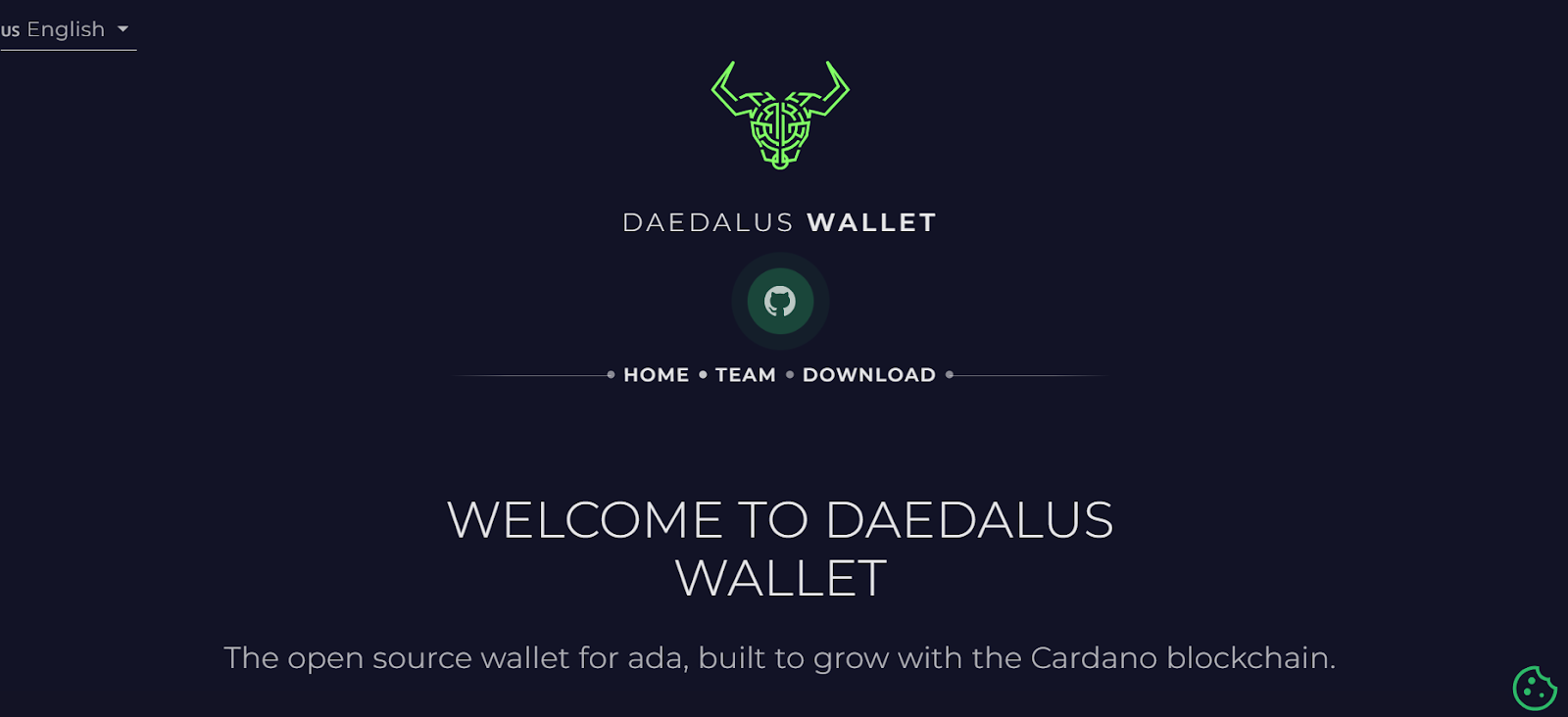
Daedalus is Cardano’s official full-node desktop wallet, built by IOHK. Unlike lightweight wallets, Daedalus downloads and verifies the entire Cardano blockchain, giving users maximum transparency and security. This makes it a heavyweight option, ideal for those who want to participate in staking while running a complete copy of the ledger. It is not just a wallet; it is a full Cardano node, meaning you are directly plugged into the network without relying on third-party servers.
- Custodial / Non-Custodial: Non-custodial.
- Estimated APY: ~3–5%.
- Ease of Use: Technical; requires downloading the entire blockchain.
- Why Choose: Ideal for advanced users who want full control and direct interaction with the Cardano network.
2. Yoroi – Best for Everyday Stakers
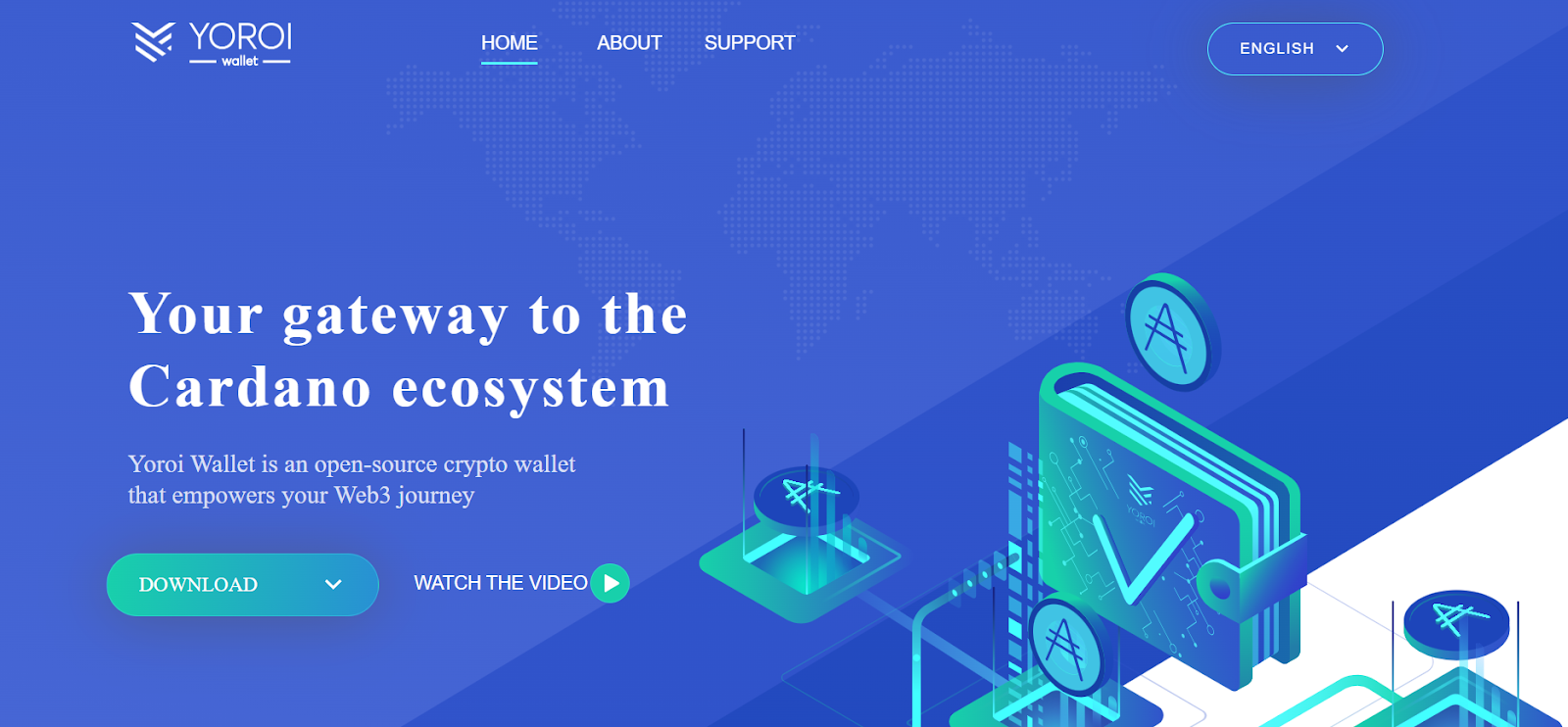
Yoroi, developed by EMURGO, is a lightweight browser extension and mobile wallet designed for everyday ADA holders. It doesn’t require downloading the full blockchain, making it fast and accessible. Yoroi is often described as the “Metamask of Cardano” because of its simplicity and ease of delegation. It’s a go-to choice for retail stakers who want a clean interface, quick delegation, and reliable performance without technical overhead.
- Custodial / Non-Custodial: Non-custodial.
- Estimated APY: ~3–5%.
- Ease of Use: Beginner-friendly, quick setup.
- Why Choose: Perfect for retail stakers who want simplicity without running a full node.
3. Lace Wallet – Best for Modern UX
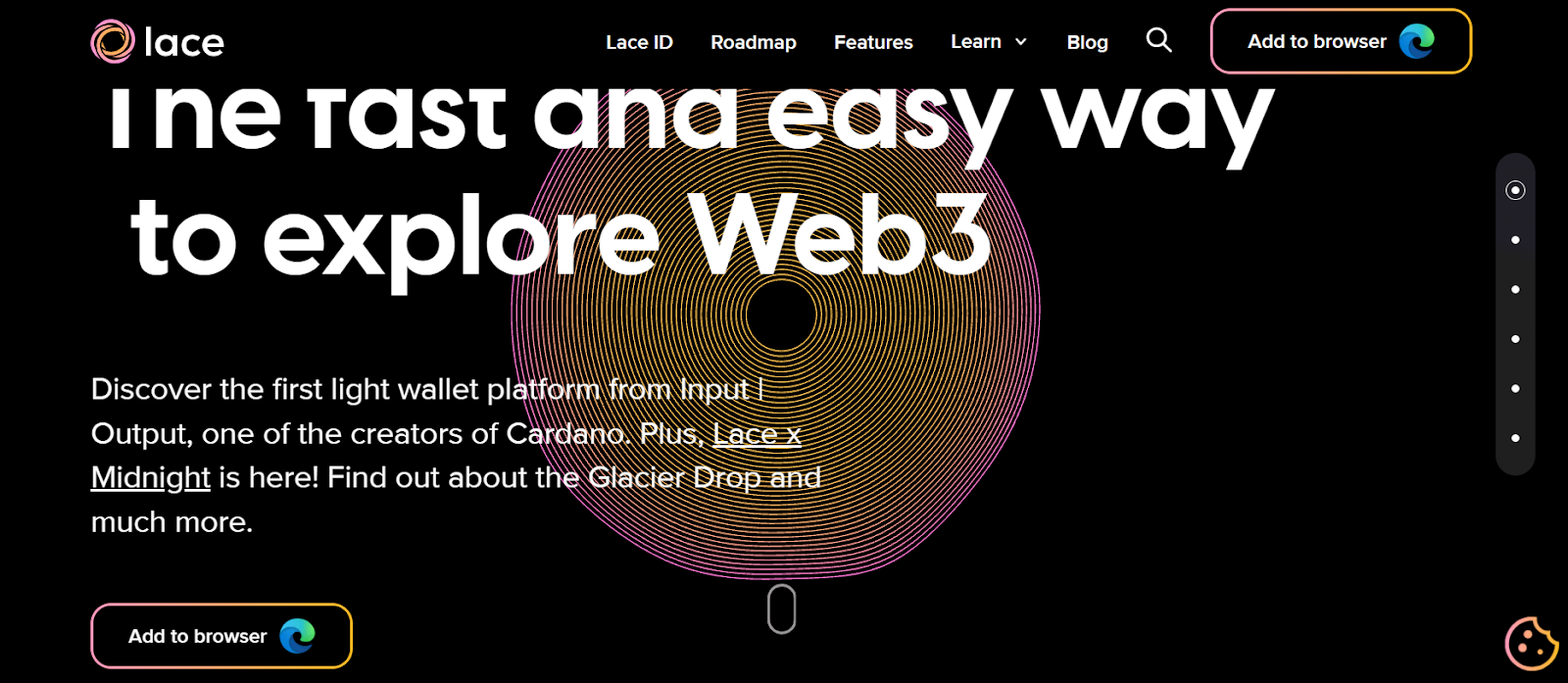
Lace is Cardano’s newest official wallet, designed with a modern Web3-first approach. It combines staking with dApp browsing, NFT management, and multi-chain support in a sleek, user-friendly interface. Lace is positioned as Cardano’s future-facing wallet, offering a streamlined experience for both newcomers and advanced users. Its design emphasizes accessibility, making staking ADA feel as smooth as using a mainstream fintech app.
- Custodial / Non-Custodial: Non-custodial.
- Estimated APY: ~3–5%.
- Ease of Use: Very user-friendly, modern interface.
- Why Choose: Best for users who value design, usability, and future dApp integrations.
4. Flint Wallet – Best for DeFi & NFTs
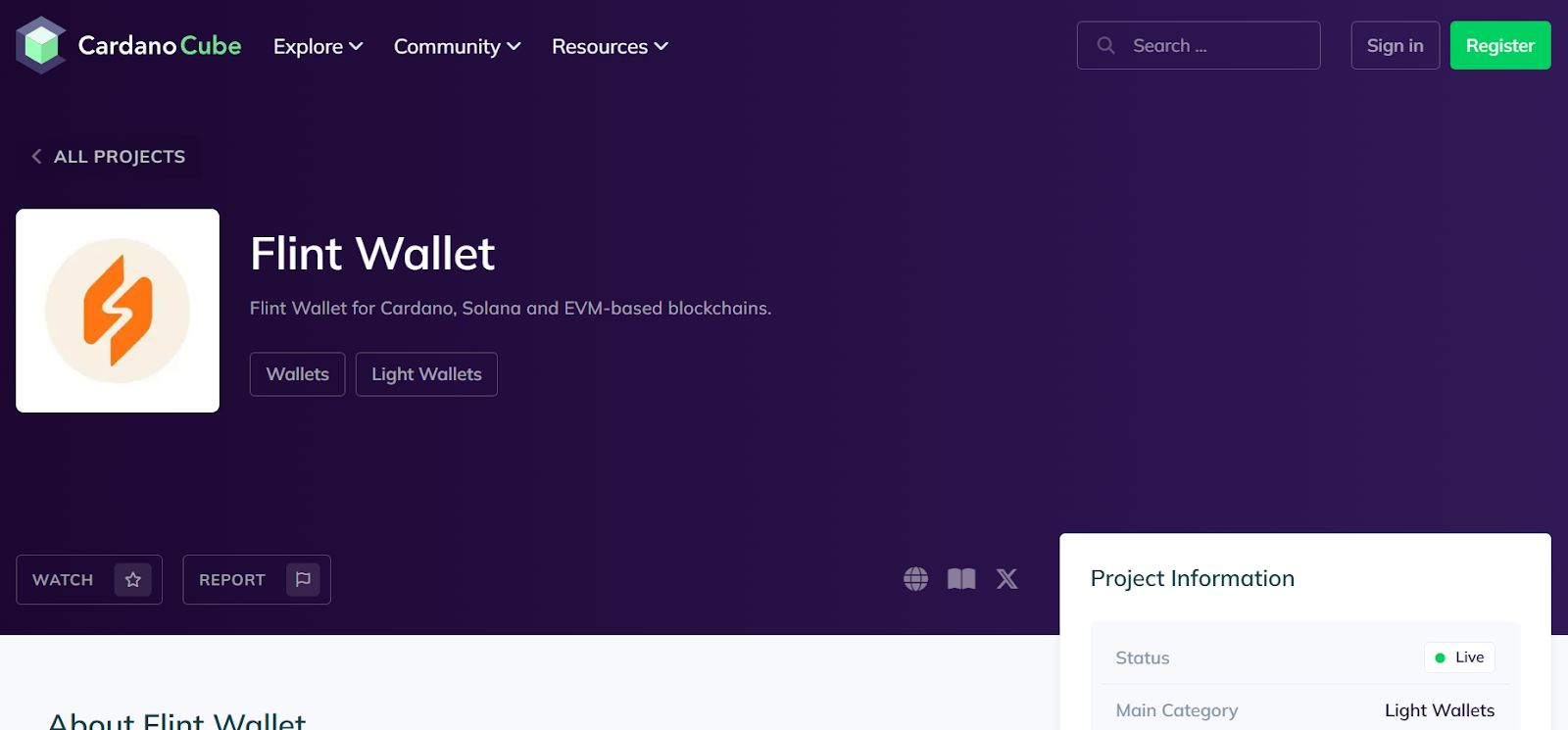
Flint is a multi-chain wallet that supports Cardano, Ethereum, and other ecosystems. It’s tailored for users who want to engage with Cardano’s growing DeFi and NFT scene while staking ADA. Flint integrates with decentralized apps, marketplaces, and protocols, making it a versatile tool for those who see staking as just one part of their broader Web3 activity. It’s especially popular among users who want a single wallet for staking, trading, and NFT management.
- Custodial / Non-Custodial: Non-custodial.
- Estimated APY: ~3–5%.
- Ease of Use: Easy setup, but geared toward DeFi-savvy users.
- Why Choose: Great for those who want staking plus exposure to Cardano’s DeFi and NFT ecosystem.
5. Eternl Wallet – Best for Power Users
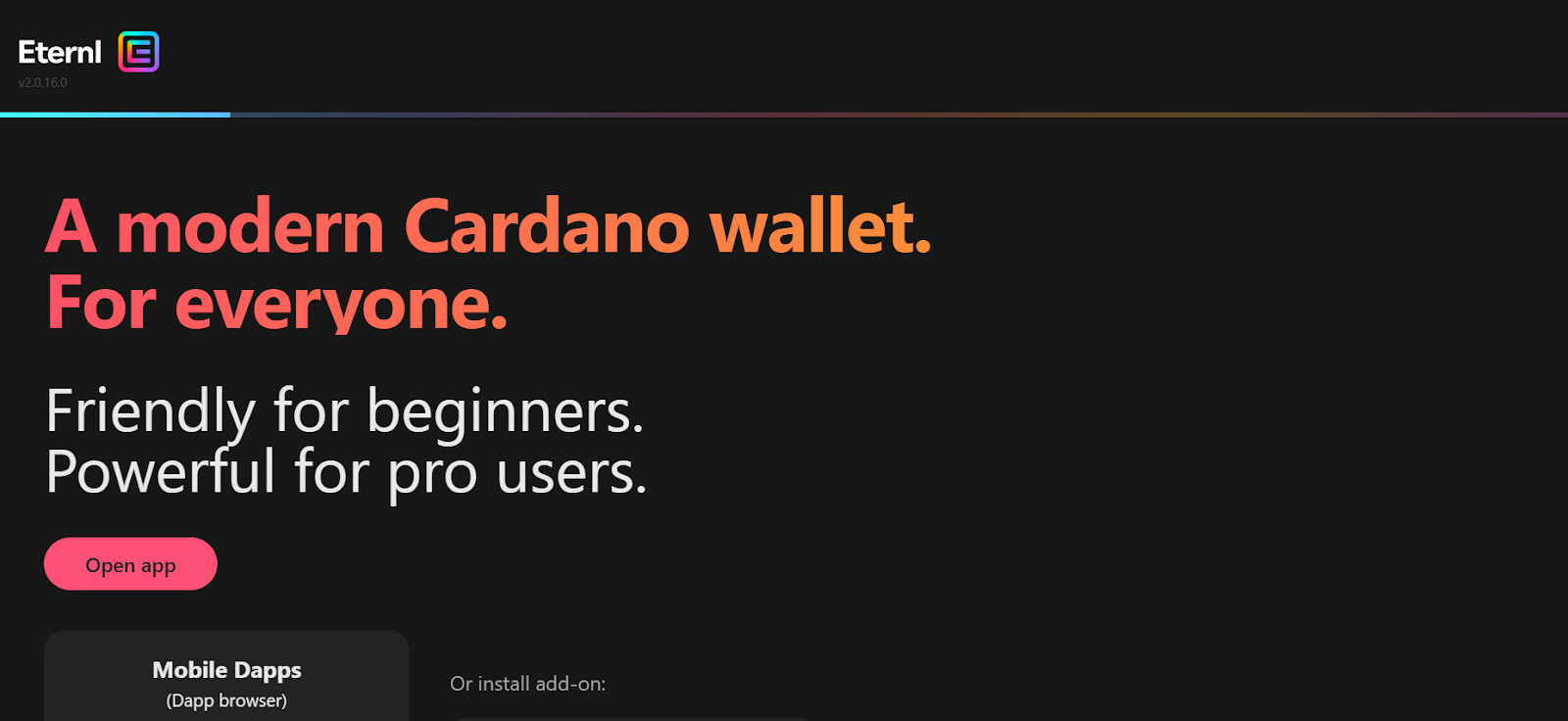
Eternl (formerly CCVault) is a feature-rich Cardano wallet built for advanced users. It offers granular delegation controls, multi-account management, and detailed staking pool analytics. Eternl is favored by power users who want to optimize their staking strategy; whether that means splitting delegation across pools, tracking pool performance, or experimenting with advanced features. It is less beginner-friendly than Yoroi or Lace, but it is a powerhouse for those who want maximum control.
- Custodial / Non-Custodial: Non-custodial.
- Estimated APY: ~3–5%.
- Ease of Use: Moderate; more complex than Yoroi but powerful.
- Why Choose: Appeals to users who want granular control over staking pools and delegation strategies.
6. Kraken – Best for CEX Staking
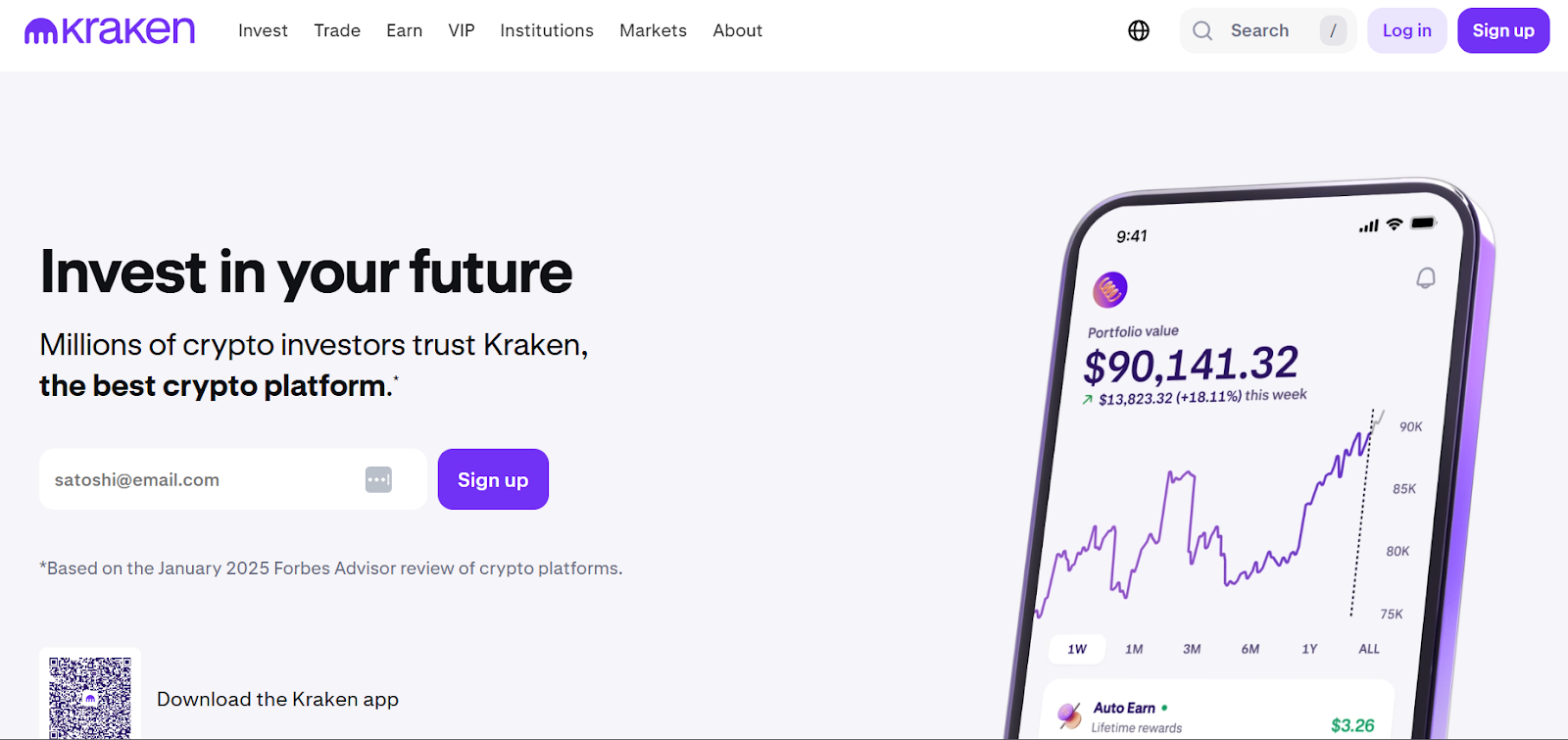
Kraken is one of the most reputable centralized exchanges offering ADA staking. It offers custodial staking with competitive yields and instant liquidity, making it attractive to traders who already use Kraken to buy and sell crypto. While it doesn’t offer the decentralization benefits of non-custodial wallets, Kraken’s strong reputation, regulatory compliance, and ease of use make it a trusted option for those who prefer exchange-based staking.
- Custodial / Non-Custodial: Custodial.
- Estimated APY: ~3–6%.
- Ease of Use: Very easy; just click “stake” on the exchange.
- Why Choose: Good for traders who already use Kraken and want convenience.
7. AdaLite – Best for Hardware Wallets
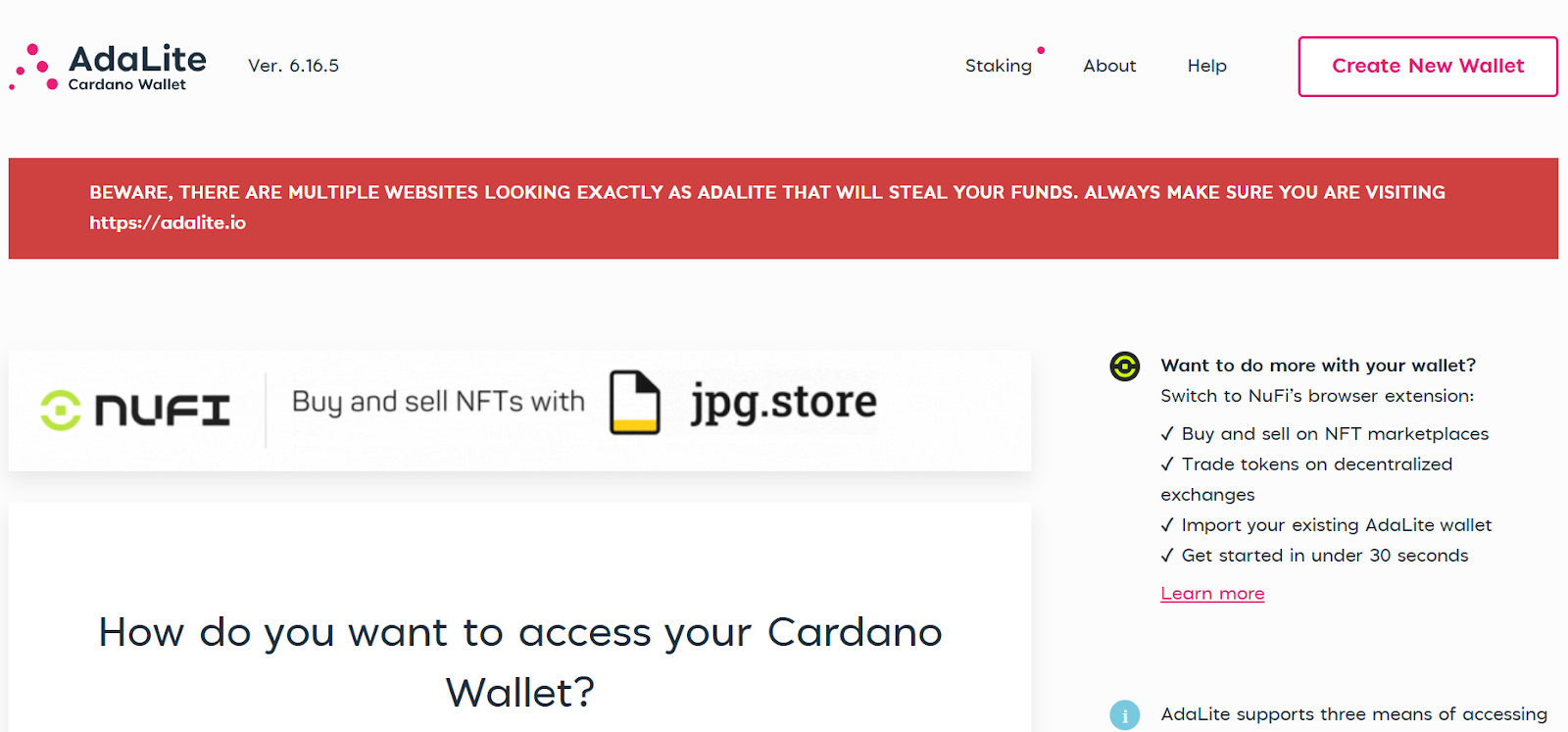
AdaLite is a lightweight, web-based Cardano wallet developed by Vacuumlabs. It is particularly valued for its seamless integration with hardware wallets like Ledger and Trezor, making it a top choice for security-conscious stakers. Adalite doesn’t require installation and runs directly in the browser, offering a balance of convenience and safety. For users who prioritize cold storage security while still earning staking rewards, Adalite is a natural fit.
- Custodial / Non-Custodial: Non-custodial.
- Estimated APY: ~3–5%.
- Ease of Use: Simple, especially for hardware wallet owners.
- Why Choose: Best for maximum security while keeping ADA liquid.
8. Coinbase – Best for Beginners
Coinbase is one of the largest global exchanges and offers ADA staking with a beginner-friendly interface. It abstracts away the complexity of delegation and automatically rewards users who hold ADA on the platform. While yields are lower than those of non-custodial wallets, Coinbase’s simplicity, brand recognition, and regulatory standing make it appealing to newcomers seeking a “set it and forget it” staking experience.
- Custodial / Non-Custodial: Custodial.
- Estimated APY: ~2–3% (lower than wallets).
- Ease of Use: Extremely beginner-friendly.
- Why Choose: Ideal for newcomers who want a simple, hands-off staking experience.
Choosing the Right Place to Stake Your Cardano in 2026
Staking ADA isn’t just about chasing yield; it is about aligning your staking setup with your experience level, security priorities, and decentralization goals. Cardano’s staking ecosystem offers multiple pathways, from non-custodial wallets to hardware integrations and centralized exchanges. Here is how to think about the trade-offs.
| Priority | Best Option | Why |
| Ease of Use | Exchanges (Coinbase, Kraken) | Simple, beginner-friendly, no technical setup |
| Security | Hardware Wallets (Ledger + Adalite) | Cold storage + delegation = maximum safety |
| Decentralization | Non-Custodial Wallets (Yoroi, Lace, Eternl) | Full pool choice, ADA stays in your control |
| Flexibility | Non-Custodial Wallets | Liquid staking, no lockups, easy redelegation |
| Institutional Trust | Exchanges | Regulatory compliance, brand recognition |
Non-Custodial Wallets – Best for Control & Decentralization
- Who it is for: Everyday stakers, crypto-native users, and those who value sovereignty.
- Control: You keep your ADA in your wallet; delegation rights are assigned without giving up custody.
- Stake Pool Selection: Full freedom to choose pools, compare performance, and avoid saturation.
- Risk Trade-Offs: No slashing risk on Cardano, but you’re responsible for managing your wallet securely.
- Examples: Yoroi, Lace, Flint, Eternl.
- Why choose: Ideal if you want to support decentralization, retain liquidity, and avoid custodial risk.
Hardware Wallet Setups – Best for Maximum Security
- Who it is for: Long-term holders, high-value ADA investors, and security-first stakers.
- Control: ADA remains in cold storage; delegation is handled via interfaces such as Adalite or Eternl.
- Stake Pool Selection: Same flexibility as non-custodial wallets, but with hardware-level protection.
- Risk Trade-Offs: Strongest defense against hacks and phishing, but requires extra setup and device management.
- Examples: Ledger + Adalite, Trezor + Eternl.
- Why choose: Perfect if your priority is safeguarding ADA while still earning staking rewards.
Centralized Exchanges – Best for Simplicity & Liquidity
- Who it is for: Beginners, casual investors, and traders who already use exchanges.
- Control: Custodial, as you hand over ADA to the exchange, which manages delegation.
- Stake Pool Selection: None; the exchange decides where ADA is staked.
- Risk Trade-Offs: Convenience comes at the cost of decentralization and custodial risk. If the exchange experiences downtime, regulatory issues, or insolvency, your ADA is at risk.
- Examples: Kraken, Coinbase.
- Why choose: Best if you want a “set it and forget it” experience with instant liquidity, but decentralization isn’t your top concern.
Getting Started With Cardano Staking
Staking ADA for the first time can feel intimidating, but Cardano makes it straightforward. Here’s a simple step-by-step guide for beginners:
- Step 1 – Choose Your Platform: Options such as Yoroi, Lace, Eternl, Flint, or Daedalus let you retain full control of your ADA. Platforms like Kraken or Coinbase handle staking for you, but you give up custody of your funds. Beginners often start with exchanges for simplicity, but wallets offer greater decentralization and control.
- Step 2 – Fund Your Wallet or Exchange Account: Buy ADA on an exchange (e.g., Coinbase, Binance, Kraken). Transfer ADA into your chosen wallet if you are going non-custodial. Always double-check addresses when sending ADA to avoid mistakes.
- Step 3 – Pick a Stake Pool or Staking Option: You will see a list of stake pools. Pools vary in size, fees, and performance. Avoid oversaturated pools (too large = lower rewards). No pool selection, as your ADA is automatically staked by the platform.
- Step 4 – Delegate Your ADA: In the wallet, select your chosen pool and tap “Delegate”. On exchanges, simply opt in to staking (usually via a toggle or button). Your ADA remains liquid in Cardano wallets; you can spend or transfer it at any time.
- Step 5 – Wait for Rewards: Cardano rewards are distributed every epoch (~5 days). You will typically see your first rewards after 15–20 days (two to three epochs). Rewards then flow regularly as long as your ADA remains staked.
Test with a small amount of ADA first to get comfortable. Once you are confident, you can delegate more. Staking ADA is one of the easiest ways to earn passive rewards in crypto:
- Wallets = control + decentralization
- Exchanges = simplicity + custody trade-off
- Rewards are steady, risk-free (no slashing), and liquid.
Think of staking as choosing your lane: convenience vs. sovereignty. Start small, learn the flow, and scale up once you’re confident.
Summing It Up
Cardano staking isn’t just another yield play; it is a design choice that reflects the network’s ethos. The system was built around non-custodial delegation, liquid ADA, and decentralization safeguards like pool saturation. That means the most authentic way to stake ADA is through wallets that let you keep control of your keys and actively choose pools, aligning directly with Cardano’s vision of a resilient, community-driven network.
At the same time, convenience matters. Centralized exchanges lower the barrier to entry for beginners, but they trade away sovereignty and choice. Hardware wallets raise the security ceiling, but add friction. The real decision comes down to how much control vs. convenience you want, and whether you see staking as passive yield or as participation in Cardano’s decentralization mission.
If you are serious about ADA, stake non-custodially. It keeps your coins liquid, supports decentralization, and eliminates the risk of slashing. Exchanges are fine for onboarding, but the long-term strategy is to own your delegation. In Cardano, staking isn’t just passive income; it is a vote for how the network evolves.
Frequently Asked Questions
Q: How much can I earn by staking ADA?
A: Staking ADA typically yields around 3–5% annually, depending on the stake pool’s performance and saturation. Rewards are distributed every 5 days (an epoch) and compound over time. Since Cardano has no slashing risk, earnings are steady, making it a safe way to grow holdings while supporting decentralization.
Q: Where can I stake Cardano easily as a beginner?
A: Beginners can stake Cardano easily through centralized exchanges like Coinbase or Kraken, which offer one-click staking with automatic rewards. For greater control, beginner-friendly wallets such as Yoroi or Lace offer simple delegation with no custody risk. Start small, then scale once you’re comfortable with the process.
Q: Is staking Cardano better than just holding ADA?
A: Staking ADA is generally better than just holding because you earn passive rewards (~3–5% annually) without losing liquidity or taking slashing risk. Your ADA remains in your wallet, fully spendable, while supporting network decentralization. Holding alone misses out on these steady, risk-free gains.
Q: Can I unstake Cardano anytime?
A: Yes, you can unstake Cardano (ADA) anytime since delegation is liquid and non-custodial. Your ADA never leaves your wallet, so you retain full control. If you redelegate or stop staking, rewards continue until the next epoch, with no lockups or penalties.
Disclaimer
This article is for educational and information purposes, and should not be considered financial advice. For more information visit our disclaimer page
About the Author