

Choosing the right Bitcoin Ordinals wallet can feel overwhelming. With so many options available, each offering different levels of security, usability, and ecosystem integration, it is easy to get lost in the details. Some wallets are built for beginners, others for advanced traders, and a few cater to cross-chain collectors.
This article cuts through the noise by highlighting the 6 best Bitcoin Ordinals wallets in 2026, carefully selected for their performance, reliability, and user experience. Whether you are inscribing new Ordinals, collecting rare assets, or actively trading, this breakdown will help you find the wallet that fits your needs and keeps your digital assets secure.
What Is an Ordinals Wallet?
An Ordinals wallet is a specialized Bitcoin wallet designed to store, manage, and interact with Ordinals, unique digital assets created directly on the Bitcoin blockchain. These inscriptions can be anything from images, text, or other forms of digital collectibles, similar to NFTs but native to Bitcoin. We need ordinals wallets because;
- Native Bitcoin NFTs: Traditional Bitcoin wallets weren’t built to handle Ordinals inscriptions. Specialized wallets are needed to recognize, display, and transfer these assets.
- Ownership & Security: They ensure that users can securely hold their unique Bitcoin-based digital assets without losing them in standard BTC transactions.
- Ecosystem Growth: As Ordinals gain traction, wallets provide the infrastructure for trading, collecting, and interacting with these assets.
Ordinals wallets function similarly to regular crypto wallets, but with added features:
| Feature | Standard Bitcoin Wallet | Ordinals Wallet |
| Stores BTC | Yes | Yes |
| Stores Ordinals Inscriptions | No | Yes |
| Displays Digital Assets | No | Yes |
| Supports Transfers of Inscriptions | No | Yes |
| Popular Examples | Electrum, Ledger | Xverse, UniSat, Ordinals Wallet |
- Inscribe: A user creates an inscription (e.g., image, text) directly on a satoshi.
- Store: The Ordinals wallet records and displays the inscription alongside BTC holdings.
- Transfer: Users can send inscriptions to others without losing their uniqueness.
- Trade/Collect: Wallets integrate marketplaces for buying/selling Ordinals assets.
6 Best Bitcoin Ordinals Wallets in 2026 (Ranked)
Managing Bitcoin Ordinals requires wallets that are secure, user-friendly, and optimized for handling inscriptions. The following wallets have been handpicked for their performance, security, and usability in 2026, ensuring collectors and traders can safely store, transfer, and interact with Ordinals.
The table below provides a quick comparison of the top wallets before we dive into detailed overviews for each.
| Wallet Name | Brief Overview | Ordinals Support | Self Custody | Hardware Wallet Support | Best For |
| Xverse Wallet | Mobile-first wallet with strong UX, Taproot support, and integrated marketplace access for Ordinals. | Yes | Yes | Yes | Mobile users & traders |
| UniSat Wallet | Browser extension wallet offering inscription creation, marketplace, and advanced Ordinals management. | Yes | Yes | No | Power users & developers |
| Leather Wallet (formerly Hiro) | Rebranded Hiro wallet with strong Stacks integration, now supporting Ordinals alongside Bitcoin. | Yes | Yes | Yes | Multi-chain users |
| Phantom Wallet | Originally Solana-focused, now expanded to Bitcoin Ordinals with cross-chain NFT support. | Yes | Yes | Yes | Cross-chain collectors |
| OKX Wallet | Exchange-backed wallet with Ordinals support, offering easy onboarding and trading integration. | Yes | No | Yes | Exchange Users |
| Sparrow Wallet | Advanced Bitcoin wallet with strong privacy and Taproot support, adapted for Ordinals. | Yes | Yes | Yes | Advanced users & privacy advocates |
1. Xverse Wallet
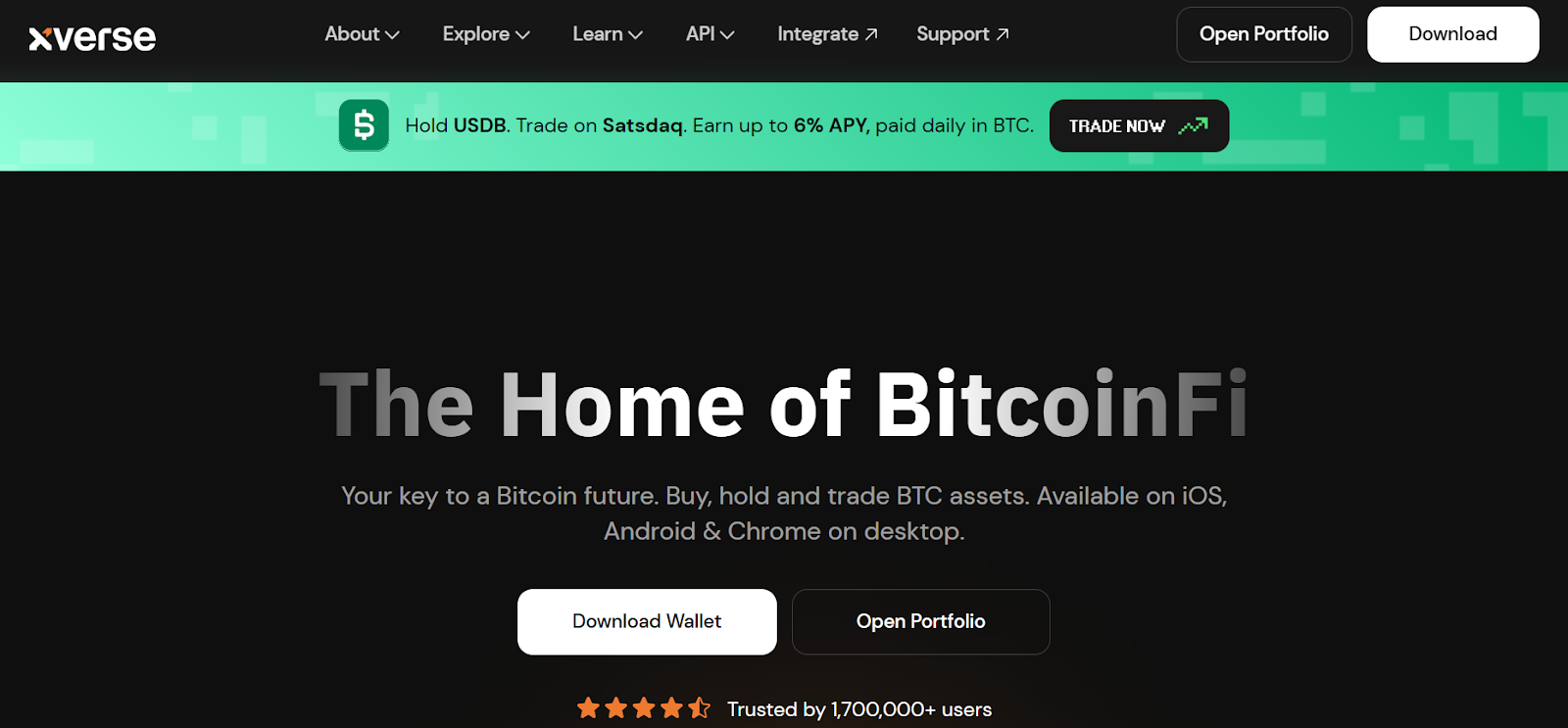
Xverse Wallet is a mobile-first Bitcoin wallet that supports Taproot addresses and Ordinals inscriptions. It emphasizes user experience, offering smooth navigation and integrated access to the marketplace. With hardware wallet compatibility, it balances convenience with strong security.
Key Features:
- Mobile app for iOS & Android
- Taproot-enabled for Ordinals
- Hardware wallet integration (Ledger)
- Marketplace access for trading inscriptions
2. UniSat Wallet
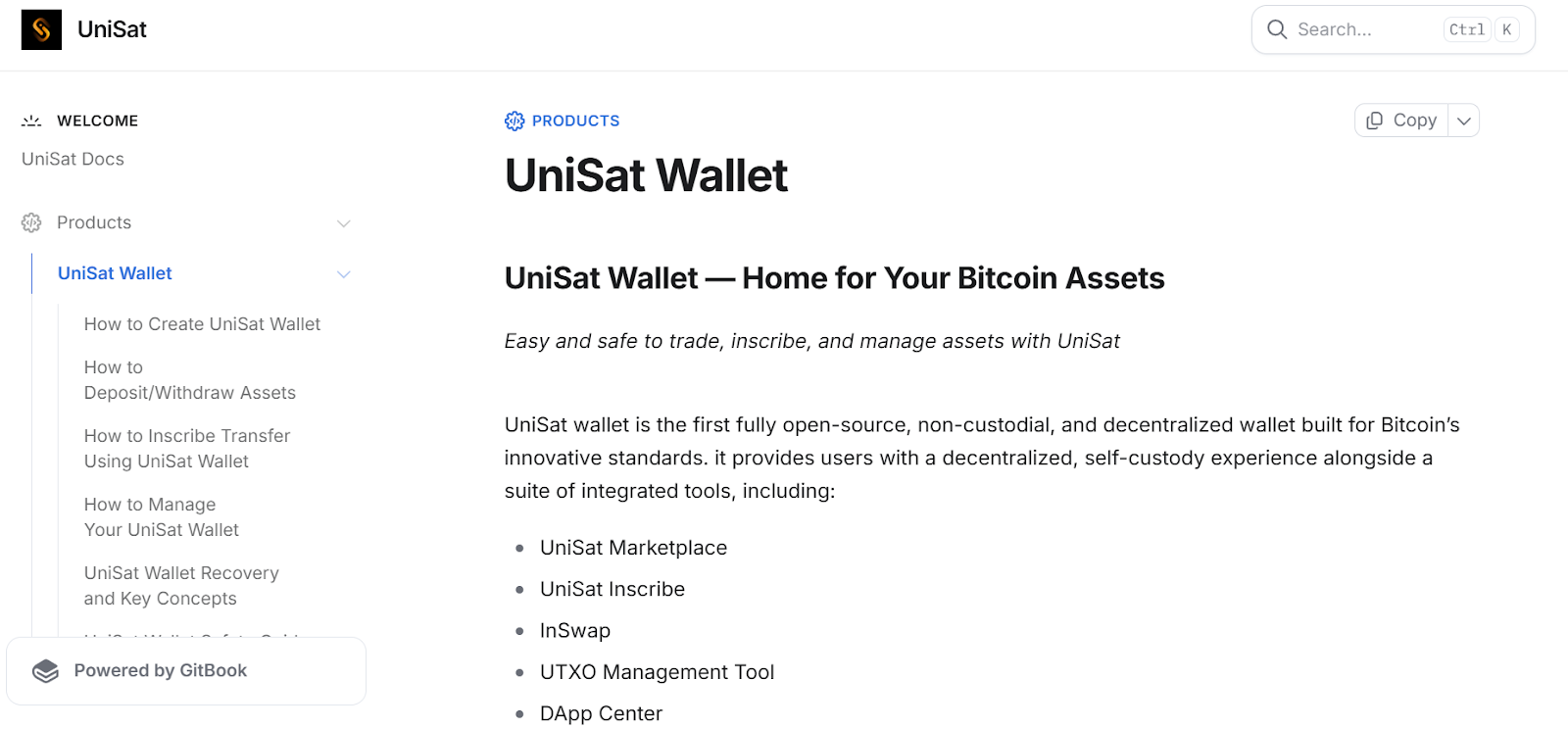
UniSat Wallet is a browser extension wallet that has become popular among advanced users and developers. It allows the creation of inscriptions, Ordinal transfers, and marketplace interaction directly from the browser. Its developer-friendly tools make it a hub for experimentation in the Ordinals ecosystem.
Key Features:
- Browser extension (Chrome/Brave)
- Inscription creation tools
- Marketplace integration
- Advanced Ordinals management
3. Leather Wallet (formerly Hiro Wallet)
Leather Wallet, previously known as Hiro Wallet, has rebranded to expand beyond Stacks into Bitcoin Ordinals. It offers multi-chain support, making it attractive for users who want to manage both Stacks-based assets and Bitcoin inscriptions in one place.
Key Features:
- Multi-chain support (Stacks + Bitcoin)
- Ordinals inscription management
- Hardware wallet compatibility
- Strong developer ecosystem
4. Phantom Wallet
Phantom Wallet, originally built for Solana NFTs, has expanded into Bitcoin Ordinals. Its cross-chain capabilities make it appealing for collectors who want to manage assets across ecosystems. With hardware wallet support, it balances usability with strong security.
Key Features:
- Cross-chain NFT support (Solana + Bitcoin)
- Ordinals inscription storage & transfer
- Hardware wallet integration
- User-friendly interface
5. OKX Wallet
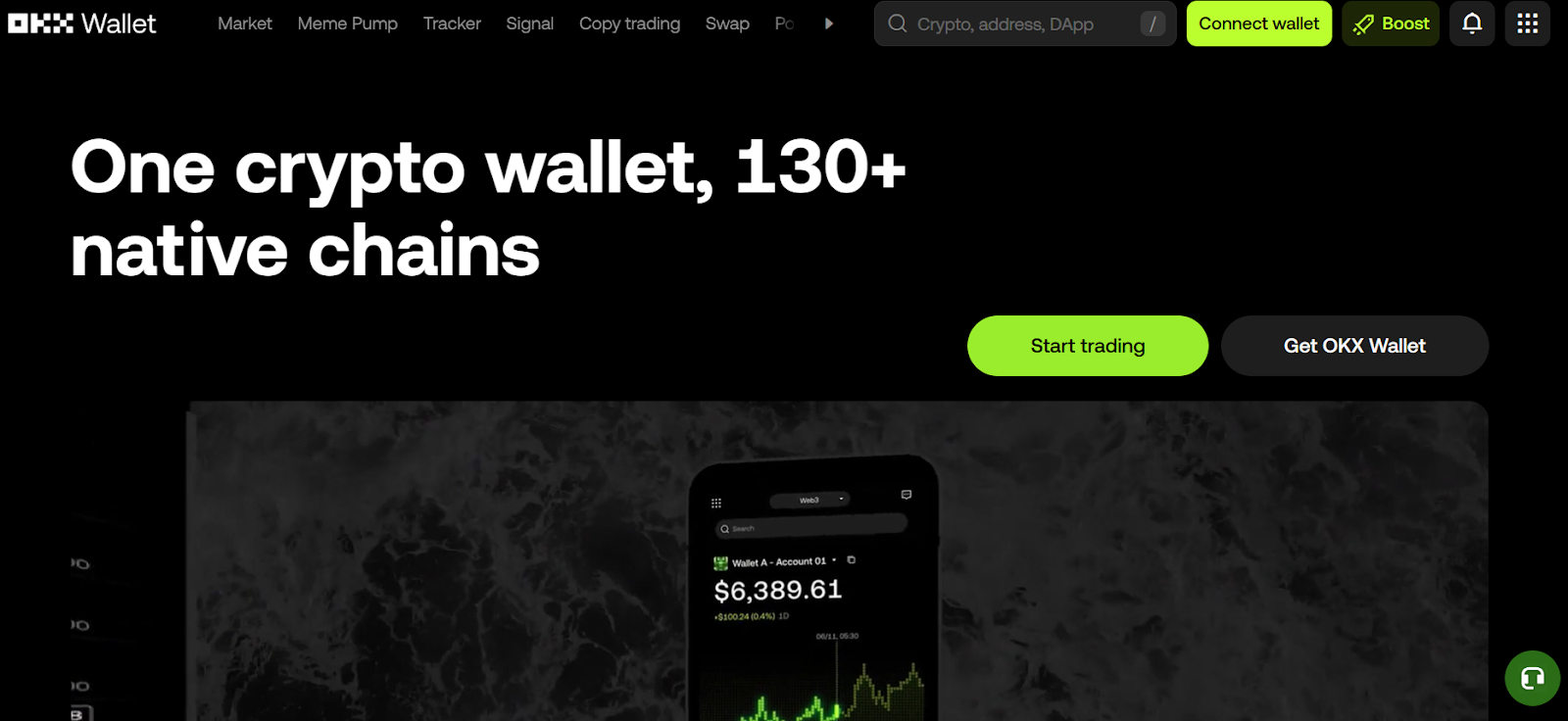
OKX Wallet is backed by OKX and offers seamless integration between trading and storage. It supports Ordinals inscriptions while providing exchange-level liquidity and ease of onboarding. However, it is custodial by default, which may not appeal to self-custody purists.
Key Features:
- Exchange-backed wallet
- Ordinals inscription support
- Hardware wallet integration
- Easy onboarding for new users
6. Sparrow Wallet
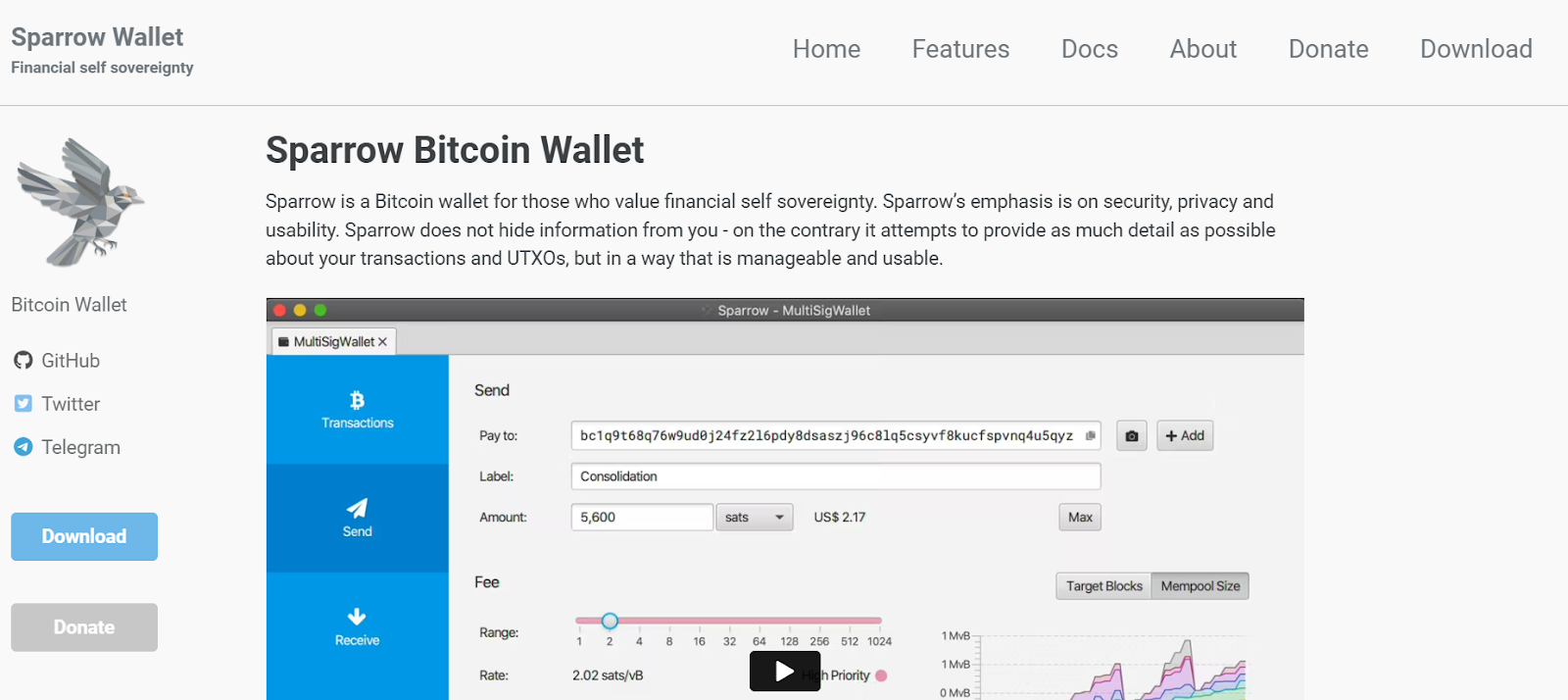
Sparrow Wallet is a highly respected Bitcoin wallet known for its privacy and advanced features. With Taproot support, it can handle Ordinals inscriptions. It is best suited for advanced users who value control, transparency, and privacy in their Bitcoin transactions.
Key Features:
- Advanced Bitcoin wallet features
- Taproot-enabled for Ordinals
- Hardware wallet compatibility
- Strong privacy focus
What Makes a Wallet Good for Bitcoin Ordinals?
Not all Bitcoin wallets are suitable for handling Ordinals inscriptions. While traditional wallets are designed for sending and receiving BTC, Ordinals wallets must manage unique digital assets inscribed directly onto satoshis. Choosing the right wallet impacts usability, security, and functionality.
A good Ordinals wallet should combine native inscription support, strong UTXO management, robust security, ecosystem compatibility, and ease of use. These features ensure collectors and traders can safely store, transfer, and interact with Ordinals without risking accidental loss or custodial risks.
Native Ordinals & Inscription Support
Native support for Ordinals and inscriptions is the foundation of a reliable wallet. Without it, users would need external tools or complex workarounds to inscribe, view, or transfer their assets. A wallet with built-in Ordinals functionality allows users to seamlessly create inscriptions, manage them alongside their BTC holdings, and transfer them without confusion.
This integration reduces the risk of errors, such as sending inscriptions to incompatible addresses, and makes the process accessible to both beginners and advanced users. By offering inscription visibility and management directly within the wallet, users gain confidence and efficiency in handling their digital collectibles.
UTXO Management & Satoshi Control
Ordinals are tied to individual satoshis, meaning precise control over unspent transaction outputs (UTXOs) is critical. A wallet that offers fine-grained UTXO management ensures that specific satoshis carrying inscriptions are preserved and not accidentally spent in regular BTC transactions. Without this control, users risk permanently losing their inscriptions.
Advanced wallets provide tools to label, isolate, and manage UTXOs, enabling users to track which UTXOs contain valuable assets. This feature is especially important for traders and collectors who need to safeguard their holdings while still using the wallet for everyday Bitcoin transactions.
Security & Self-Custody
Security is paramount when dealing with Ordinals, as these inscriptions can hold significant monetary and sentimental value. A good wallet must prioritize self-custody, meaning users retain full ownership of their private keys. Features such as encryption, seed phrase backups, and hardware wallet integration add layers of protection against hacks or accidental loss. Cold storage options further enhance security by keeping assets offline.
By ensuring that users, not third parties, control their keys, wallets provide peace of mind and align with Bitcoin’s decentralized ethos. This is especially crucial in the volatile NFT-like market, where Ordinals are highly sought after.
Compatibility & Ecosystem Access
A strong Ordinals wallet doesn’t exist in isolation, as it should integrate smoothly with the broader ecosystem. This includes compatibility with marketplaces, explorers, and tools that support Ordinals and BRC-20 tokens. Such integration allows users to buy, sell, and track inscriptions without having to use multiple platforms.
Ecosystem access also ensures that wallets remain relevant as the Ordinals space evolves, supporting new standards and innovations. By connecting users to marketplaces and explorers, wallets enhance usability and provide a complete experience, bridging the gap between storage and active participation in the Ordinals economy.
Ease of Use for Beginners and Advanced Users
Usability is often the deciding factor for wallet adoption. Beginners need intuitive interfaces that simplify account management, transfers, and asset viewing, without technical jargon. Clear navigation, simple transaction flows, and visual representation of inscriptions make wallets approachable. On the other hand, advanced users expect greater control, including custom fee settings, scripting capabilities, and detailed transaction breakdowns.
A good wallet balances both needs, offering simplicity for newcomers while providing advanced tools for power users. This dual approach ensures that the wallet can serve a wide audience, from casual collectors to professional traders managing large portfolios.
Why Use Bitcoin Ordinals Wallets? The Benefits
Using a Bitcoin Ordinals wallet comes with several unique advantages that make it essential for collectors, traders, and enthusiasts in the Ordinals ecosystem. Here are the key benefits:
- Native Inscription Management: Ordinal wallets let you view, store, and transfer inscriptions without relying on third-party tools. This simplifies the process and reduces the risk of losing assets due to incompatibility.
- Preservation of Unique Satoshis: With UTXO management, these wallets ensure that the specific satoshis carrying inscriptions are not accidentally spent in regular Bitcoin transactions.
- Enhanced Security & Self-Custody: Most Ordinals wallets emphasize private key ownership, encryption, and hardware wallet integration, giving users full control over their assets and reducing reliance on custodial services.
- Ecosystem Integration: Good Ordinals wallets connect seamlessly with marketplaces, explorers, and BRC-20 tools, enabling smooth trading, inscription creation, and portfolio tracking.
- User-Friendly Interfaces: They balance simplicity for beginners with advanced features for power users, offering intuitive navigation while still supporting custom fee settings, transaction labeling, and developer tools.
- Future-Proofing: As the Ordinals ecosystem evolves, these wallets adapt to new standards and innovations, ensuring long-term usability and relevance.
Final Thoughts
Choosing the right Bitcoin Ordinals wallet is more than just convenience; it is about safeguarding your digital assets while ensuring smooth functionality. Whether you are inscribing new Ordinals, collecting rare inscriptions, or actively trading them, the wallet you select will directly impact your security, usability, and overall experience in the ecosystem.
As the Ordinals space continues to evolve, staying up to date on wallet features and ecosystem integrations is essential. Some wallets excel at beginner-friendly interfaces, while others provide advanced tools for traders and developers. The key is to match your wallet choice with your personal use case and risk tolerance.
At Dypto Crypto, we encourage you to keep learning, experimenting, and refining your approach. The Ordinals movement is still young, and those who stay informed will be best positioned to benefit from its growth. Continue exploring with us, and let’s build knowledge together as this exciting frontier unfolds.
Frequently Asked Questions
Which Ordinals wallet is best for beginners?
For beginners, Ordinals Wallet is the best choice. It is purpose-built for Bitcoin Ordinals, offering a simple interface, native inscription support, and easy transfers. Its focus on accessibility makes it ideal for newcomers who want to inscribe, collect, and trade without technical complexity.
Do I need a Taproot (bc1p) address for Ordinals?
Yes, you generally need a Taproot (bc1p) address to receive and manage Ordinals inscriptions. While Bitcoin is backward compatible, Taproot-enabled addresses simplify inscription handling, improve security, and reduce errors. Using a Taproot wallet is strongly recommended for smooth Ordinals transactions.
Can I store Ordinals on a hardware wallet?
Yes, you can store Ordinals on a hardware wallet if the wallet supports Taproot addresses and integrates with Ordinals-compatible software. Hardware wallets like Ledger or Trezor provide cold storage security, ensuring private keys remain offline while still allowing inscription management through connected Ordinals wallets.
What’s the best wallet for buying and selling Ordinals?
For buying and selling Ordinals, UniSat Wallet and Xverse Wallet are considered the best options in 2026. Both integrate directly with marketplaces, support inscription creation, and offer smooth trading experiences. UniSat is ideal for advanced users, while Xverse provides a beginner-friendly mobile interface.
Disclaimer
This article is for educational and information purposes, and should not be considered financial advice. For more information visit our disclaimer page
About the Author