

Did you know that in 2026, Cosmos (ATOM) staking still delivers attractive yields in the Proof-of-Stake ecosystem, with users earning annual rewards ranging from ~12% to ~20%+ depending on the platform and staking method. On major centralized platforms like Coinbase, the current estimated staking APY for Cosmos is around 14-15%, with approximately 60% of total ATOM staked across networks. These robust yields reflect demand for securing one of the most interoperable blockchain ecosystems and make staking a compelling use case beyond simply holding the token.
Note that, as not all staking solutions are equal, yields can vary by provider, custody model, validator selection, and the choice of whether users choose liquid or bonded staking options. Some platforms, like Kraken, offer reward brackets that span from flexible (~9 to 10% APR) to bonded (~18 to 20% APR), underscoring the importance of choosing the right venue for your goals.
What is Cosmos (ATOM) Staking?
Cosmos (ATOM) staking is a process that allows ATOM holders to earn rewards by actively participating in the security and operation of the Cosmos Hub Blockchain. Instead of holding the tokens, stakers delegate their ATOM to network validators, which are entities responsible for validating transactions and keeping the network running smoothly. In return for this participation, the network distributes additional ATOM as staking rewards while helping strengthen the blockchain’s security model.
Cosmos uses a Proof-of-Stake (PoS) consensus mechanism, which states that the more tokens staked on the network, the harder it is for malicious actors to disrupt consensus. Delegators allow validators to use their stake in exchange for a share of the rewards they earn. These rewards are paid out regularly and vary based on network participation rates and validator performance.
Staking ATOM is designed to be accessible to beginners because you don’t need to own a node to participate. Instead, most stakers choose a trusted validator and delegate their tokens to it, earning rewards while retaining ownership of their ATOM. When you later want to stop staking, there is an unbonding period before your tokens are released, but during the staking period, your ATOM continues to generate passive returns.
How Does ATOM Staking Work?
Staking Cosmos (ATOM) is a process in which ATOM holders contribute to securing the Cosmos network and, in return, earn rewards. Cosmos uses a Delegated Proof-of-Stake (DPoS) consensus mechanism that relies on validators and delegators. Validators must stake ATOM to participate in consensus, and delegators help amplify a validator’s stake by contributing their tokens without running their own node.
When you stake ATOM, you delegate your tokens to a chosen validator. Delegated ATOM does not leave your wallet unless you explicitly unbond it, and the validator cannot transfer or spend your tokens, but signals support for that validator’s role in consensus. Validators with a higher total stake have greater voting power and a higher likelihood of being selected to validate blocks. Each time a validator successfully proposes or votes on a block, the protocol issues new ATOM as rewards. A portion of these rewards is shared with delegators, minus the validator’s commission.
Rewards are proportional to your share of delegated ATOM, and depend on network conditions, the total staked amount, and validator performance. Cosmos implements an unbonding period (approximately 21 days) that begins when you choose to withdraw or re-delegate your stake. This mechanism increases security while providing a predictable delay before tokens are fully liquid again.
9 Best Places to Stake Cosmos (ATOM) in 2026
Staking Cosmos (ATOM) in 2026 has become the most accessible way to earn on-chain yield while supporting the Cosmos Hub’s Proof-of-Stake security model. With network staking yields typically fluctuating in the ~13.3 to ~20% APR range before validator commission, choosing the right platform can materially improve your net returns, liquidity flexibility, and custody control.
Given below are some trusted exchanges, wallets, and liquid staking protocols that actively support ATOM staking in 2026. Each option includes a brief overview and staking details to help you evaluate security, APY competitiveness, and operational convenience.
1. Binance
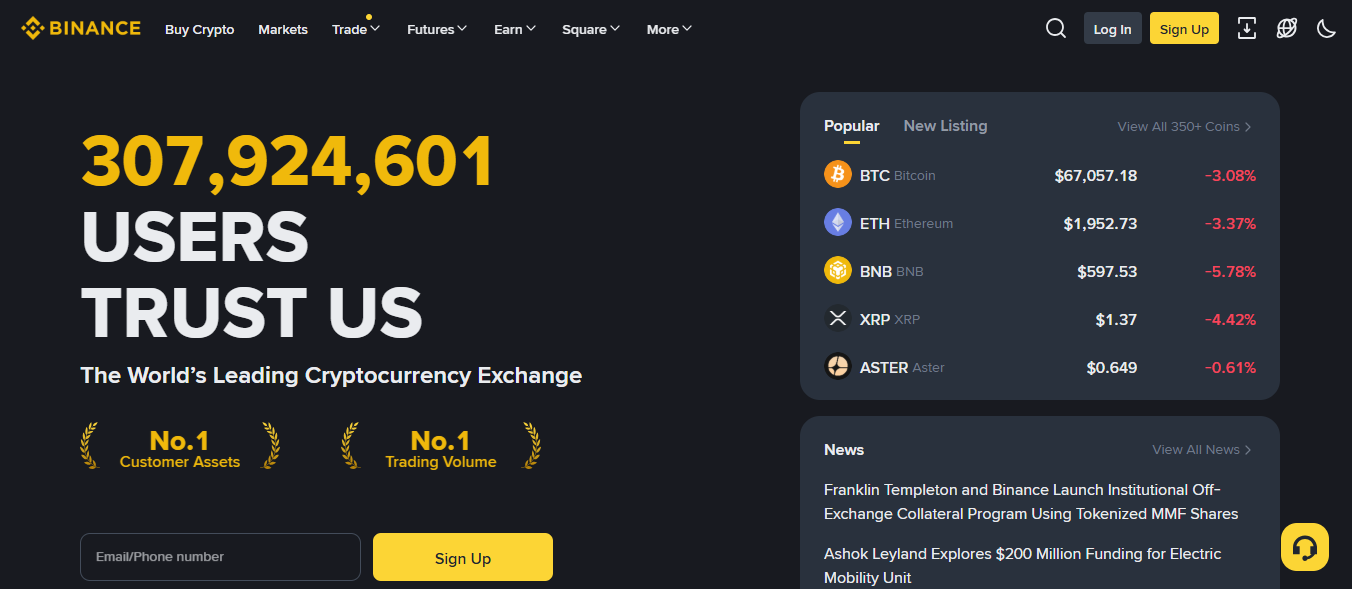
- Brief Overview: Binance is the largest cryptocurrency ecosystem, offering a comprehensive suite of financial services. While primarily known as a trading platform, it functions as an all-in-one hub for digital asset management, including spot/futures trading, passive income tools, and institutional services. It is one of the major global exchanges with large liquidity and institutional support.
- Platform type: Centralized Exchange (CEX)
- Custody: Custodial
- APY range: Approximately 0.01% to 30%+ (varies based on asset, market conditions, and product type)
- Lock-up period: Flexible (instant withdrawal) or Fixed (typically 30, 60, 90, or 120 days)
Key Benefit: High liquidity, institutional-grade infrastructure, and integrated trading + staking experience.
2. Keplr Wallet
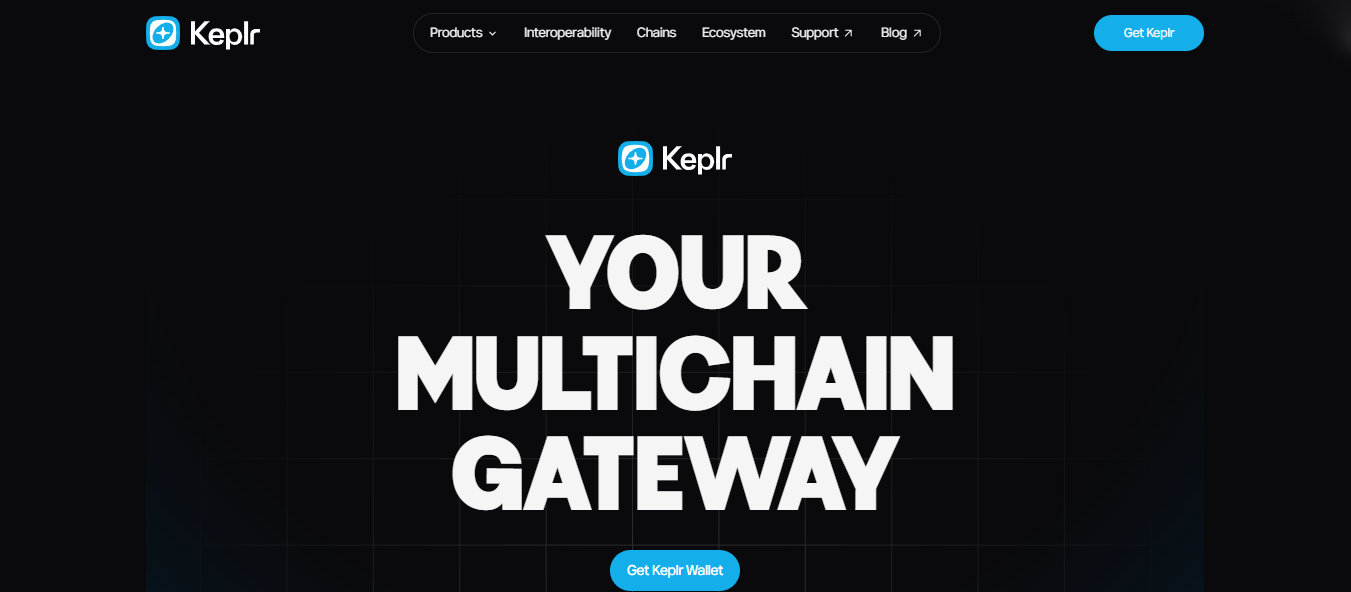
- Brief Overview: Keplr is a premier IBC (Inter-Blockchain Communication)- enabled wallet for the Cosmos ecosystem. It serves as a gateway for users to interact with a vast network of interoperable sovereign blockchains. Unlike traditional wallets, Kepler is optimized for the technical architecture of the Cosmos SDK, providing seamless cross-chain account management, governance participation, and staking execution across 40 supported chains, including Cosmos Hub, Osmosis, Celestia, and Sei.
- Platform type: Wallet
- Custody: Non-custodial
- APY range: Approximately 7% to 20% (varies by network and validator)
- Lock-up period: 21 days unbonding
Key Benefit: Full validator choice, IBC support, and ecosystem-native staking.
3. Ledger Wallet
- Brief Overview: Ledger is a global leader in digital security, providing hardware wallets and the Ledger Live companion software to secure, manage, and interact with digital assets.
- Platform type: Wallet
- Custody: Non-custodial
- APY range: ~0.1% to 20% (varies by asset and protocol)
- Lock-up period: Varies by asset (e.g., 21-day unbonding period for XPRT, 28 days to unstake for CRO, 52 to 65 hours unstaking process for NEAR)
Key Benefit: Institutional-grade cold storage combined with validator-level yield
4. Kraken
- Brief Overview: Kraken is a US-based cryptocurrency exchange and bank founded in 2011, known for high liquidity, advanced security features, and institutional-grade trading tools.
- Platform type: Centralized Exchange (CEX)
- Custody: Custodial
- APY range: 0.5% to 20% (depending on asset, lock-up, and market conditions)
- Lock-up period: varied by coins (21 days for ATOM/TIA/INJ, 28 days for DOT/GRT, 7 days for KSM/BNB/BTC)
Key Benefit: Compliance-focused exchange with simplified staking management.
5. Coinbase
- Brief Overview: Coinbase is a leading global cryptocurrency platform that serves as a highly regulated gateway for buying, selling, and managing digital assets. It offers a user-friendly interface for ATOM with high security standards, and integration with traditional banking via GBP deposits.
- Platform type: Centralized Exchange (CEX)
- Custody: Custodial
- APY range: 0.01% to 15% (varied by asset and staking/reward program)
- Lock-up period: Flexible (liquid) for most assets and protocol-dependent for specific staked assets like ETH or SOL.
Key Benefit: Strong regulatory standing and ease of onboarding.
6: OKX
- Brief Overview: OKX is a multi-layered financial ecosystem that operates as a centralized entity and as a gateway to decentralized infrastructure. OKX offers Earn products, including flexible and fixed staking options for ATOM.
- Platform type: Centralized Exchange (CEX)
- Custody: Custodial
- APY range: Approximately 0.5% to 20% (varied by asset, product, and market conditions)
- Lock-up period: Flexible (instant withdrawal) or Fixed
Key Benefit: Competitive global platform with staking and derivatives access.
7. Bybit
- Brief Overview: Bybit is a global cryptocurrency trading platform that provides high-security custodial solutions for institutional and retail clients. It specializes in spot trading, derivatives, and passive income products. Bybit provides staking products within its Earn section, targeting active traders seeking yield.
- Platform type: Centralized Exchange (CEX)
- Custody: Custodial
- APY range: Variable APY range. Typically, it’s between 1% to 15% for stable savings with promotional or structured products exceeding 500%
- Lock-up period: Flexible and Fixed
Key Benefit: Integrated yield generation for trading-focused users.
8. StaFi
- Brief Overview: StaFi is a liquid staking infrastructure provider and protocol for Proof-of-Stake (PoS) blockchains that issues liquid rTokens to unlock liquidity for staked assets. StaFi allows users to stake ATOM and receive rATOM, enabling liquidity while earning staking rewards.
- Platform type: DeFi liquid staking protocol
- Custody: Non-custodial (smart contract-based)
- APY range: Approximately 16.08% to 16.50%
- Lock-up period:
Key Benefit: Maintains capital efficiency through staking derivatives.
9. Stride
- Brief Overview: Stride is a specialized Layer-1 blockchain within the Cosmos ecosystem dedicated to multichain liquid staking. It allows users to stake assets from various Cosmos-based chains, such as ATOM, TIA, and OSMO, and receive liquid staked tokens in return, which can be used in other DeFi apps while earning staking rewards.
- Platform type: DeFi liquid staking
- Custody: Non-custodial
- APY range: Approximately 3% to 35% (varied by assets staked and underlying network inflation)
- Lock-up period:
Key Benefit: Deep Cosmos ecosystem integration and DeFi composability
Key Factors for Choosing the Right ATOM Staking Platform
Choosing the right Cosmos (ATOM) staking platform comes down to balancing returns, security, flexibility, and reliability. While most platforms depend on the same underlying Cosmos network mechanics, differences in custody models, validator selection, reward distribution, and user experience can meaningfully affect outcomes. Evaluating these factors upfront helps users avoid unnecessary risk, liquidity constraints, or underperforming rewards.
Given blow are important criteria to consider when comparing ATOM staking platforms.
Staking APY and Reward Frequency
Cosmos staking rewards are variable and depend on network inflation, the percentage of ATOM staked, validator commissions, and platform fees. The realistic ATOM staking APYs fall in the low- to high-double-digit range, with variation across platforms and over time. Non-custodial wallets often reflect the raw network yield minus validator commission, while exchanges may offer slightly lower net returns due to service fees.
Reward frequency is also important because some platforms distribute rewards continuously or daily, while others pay weekly or require manual claiming. More frequent payouts enable faster compounding, which can improve long-term returns for larger positions, especially when claim fees are lower compared to rewards.
Security and Custody (Non-Custodial vs Custodial)
Custody determines who controls the private keys and the ATOM. Non-custodial platforms (wallets and DeFi protocols) give users full ownership of their assets and direct delegation to validators. Custodial platforms (centralized exchanges), on the other hand, manage private keys on the user’s behalf, simplifying staking but introducing counterparty risk.
| Factor | Non-Custodial | Custodial |
| Private Key Control | User | Platform |
| Counterparty Risk | Low | Higher |
| Ease of Use | Moderate | High |
| Ideal For | Security-focused users | Beginners and institutions |
Lock-Up and Unbonding Periods
Cosmos staking enforces a network-level unbonding period of approximately 21 days. During this time, unstaked ATOM cannot be transferred, traded, or withdrawn. This affects liquidity regardless of the platform used.
Some exchanges abstract this restriction by offering “flexible” staking products, but the underlying unbonding mechanics still apply at the protocol level. Liquid staking protocols attempt to address this by issuing derivative tokens that represent staked ATOM, improving capital efficiency but adding smart-contract and protocol risk. Users should assess whether immediate liquidity or long-term yield is the higher priority.
Validator Quality and Decentralization
Validator selection plays an important role in both reward consistency and risk reduction. Validators with strong uptime, transparent operations, and reasonable commission rates are less likely to incur slashing penalties or missed rewards. Over-delegating to a small number of large validators can increase centralization risk and weaken the network.
Platforms that allow users to choose from a diverse set of validators help support decentralization while giving stakers more control over their risk exposure. Evaluating a validator’s reputation, performance history, and commission structure is important for sustainable, long-term staking.
Ease of Use and User Experience
User experience greatly affects staking outcomes, especially for new participants. Clear interfaces, intuitive onboarding, visible reward tracking, and simple validator selection reduce the likelihood of mistakes such as misdelegation or failed transactions.
Beginner-friendly platforms prioritize automation and minimal setup, while advanced users may prefer tools that offer deeper control, analytics, and customization. The best platform aligns with the user’s technical comfort level, asset scale, and operational needs.
Is It Better to Stake Cosmos (ATOM) on an Exchange or in a Wallet?
If you prioritize maximum control and transparency, staking ATOM in a non-custodial wallet is a better choice. This allows you to keep your private keys, choose your validator, and your rewards come directly from on-chain delegation mechanics. For example, Kepler, a non-custodial wallet, lets you control your funds.
If you prioritize simplicity and operational convenience, staking on a centralized exchange is a better option. The trade-off is custody; exchanges hold the keys, and you must trust their internal controls. Reward rates can be competitive, but are platform-managed and can change. For example, Coinbase publishes an estimated reward rate that updates over time.
| Criteria | Stake on an Exchange (Custodial) | Stake in a Wallet (Non-Custodial) |
| Control | Platform controls private keys and staking flow | You control private keys and choose a validator |
| Security Model | Depends on exchange custody and internal risk controls | Depends on your key management |
| Convenience | Fast setup; simple UX, consolidated portfolio view | More steps (wallet setup, gas fees, validator selection)` |
| Rewards | Platform-set/advertised yield; may include fees/spreads | On-chain rewards minus validator commission; varies by validator |
| Liquidity and Unbonding | Some products feel flexible, but bonded staking can still involve an unbonding wait depending on the product/asset | Native Cosmos unbonding applies |
| Best For | Beginners, active traders, and teams that want minimal ops overhead | Long-term holders, security-focused users, and those optimizing validator choice |
How to Stake Cosmos (ATOM): Step-by-Step
Staking Cosmos (ATOM) follows a simple process that works similarly across different wallets and exchanges. While the interfaces may differm the main steps remain the same. The section below includes a detailed walkthrough on how to stake Cosmos (ATOM) while avoiding common mistakes that delay rewards or restrict funds.
Step 1: Choose a Wallet or Platform
Decide whether you want to stake ATOM through a wallet or a centralized exchange. Wallets like Keplr or Ledger offer non-custodial staking, allowing you to control your private keys and choose validators directly. This option is preferred by users who prioritize security, decentralization, and long-term holding.
Exchanges like Binance, Kraken, or Coinbase provide custodial staking, where the platform manages validators and technical operations. This is an easier option for beginners and requires less setup, but comes with reduced control over funds.
When making this decision, evaluate:
- Custody model (self-custody vs custodial)
- Ease of use and interface clarity
- Visibility into staking rewards, fees, and unbonding rules
Step 2: Transfer ATOM
After choosing the platform, the next step is to purchase ATOM or transfer existing tokens to it. Make sure you use the Cosmos Hub (ATOM) network, as sending ATOM to the wrong network can result in permanent loss of funds.
Before confirming a transfer, make sure you check the given list:
- Double-check the wallet or exchange deposit address
- Start with a small test transaction if possible
- Leave a small amount of ATOM unstaked to cover future transaction fees
Step 3: Select a Validator
Validators play an important role in securing the Cosmos network, and your choice directly affects rewards and risks. Avoid choosing validators based on the highest advertised returns, as extremely low commissions or unrealistic yields can signal long-term instability.
The key points you need to review while selecting a validator are:
- Commission Rate: Lower commissions increase rewards, but extremely low or zero rates may change suddenly
- Uptime and Performance: Consistently high uptime reduces the risk of missed rewards
- Reputation and Decentralization: Spreading stake across well-known independent validators supports network health and reduces slashing risk
Step 4: Delegate and Start Earning
After selecting a validator, choose the amount of ATOM you want to stake and confirm the delegation. Review the transaction details carefully, including validator commission and network fees, before final approval.
After the delegation is completed, you can expect the following:
- Delegation becomes active almost immediately
- Rewards begin occurring automatically once staking is live
- ATOM remains locked while staked and subject to the network’s unbonding period when unstaking
Step 5: Claim and Reinvest Rewards
Staking rewards accumulate continuously but must usually be claimed manually unless the platform supports auto-compounding. Claiming too frequently can increase transaction costs, while claiming too infrequently may reduce compounding benefits.
A practical approach is to:
- Claim rewards periodically based on portfolio size
- Re-delegate rewards to compound returns over time
- Monitor validator performance and redelegate if required
How Much Can You Earn by Staking Cosmos (ATOM)?
Staking earnings depend mainly on the staking rate (APR/APY), validator or platform fees/commission, and whether you compound rewards. Typical ATOM staking rates sit in the low-to-mid double digits, but they fluctuate with network conditions and each provider’s product design. For example, Coinbase currently shows an estimated Cosmos reward rate of 14.42% (variable), while Kraken lists Flexible ATOM rewards around 9.25 to 9.95% APR and Bonded ATOM rewards around 18.51 to 19.9% APR (dependent on product). It’s important to note that these returns are not guaranteed.
The table below shows simple, realistic scenarios before platform fees, validator commission, and compounding effects:
| Example Holding | ~10% / year (lower) | ~15% / year (mid) | ~20% / year (higher) |
| 100 ATOM | ~10 ATOM | ~15 ATOM | ~20 ATOM |
| 1,000 ATOM | ~100 ATOM | ~150 ATOM | ~200 ATOM |
Platform Comparison Table
| Platform | Display Rate | Est. Yearly Rewards on 100 ATOM | Est. Yearly Rewards on 1,000 ATOM |
| Coinbase (estimated reward rate) | ~14.42% | ~14.42 ATOM | ~144.2 ATOM |
| Kraken (Flexible) | 9.25% to 9.95% | 9.25 to 9.25 ATOM | 92.5 to 99.5 ATOM |
| Kraken (Bonded) | 18.51% to 19.9% | 18.51 to 19.9 ATOM | 185.1 to 199 ATOM |
Risks of Staking Cosmos You Should Know
While staking Cosmos (ATOM) generates attractive yields, it also contains risk. Cosmos operates as a Proof-of-Stake (PoS) network, meaning that staking exposes tokens to certain conditions and events that can affect liquidity, value, and even the amount of ATOM held.
The first thing to note is that Cosmos requires a 21-day unbonding period when you unstake or redelegate your ATOM. During this unbonding window, tokens are illiquid, and they do not earn rewards. If the market moves sharply against you during this period, the value of your holding can decrease while it remains locked up, increasing your exposure to price volatility.
Secondly, the protocol includes slashing penalties, which reduce the amount of staked ATOM if the validator you delegate to misbehaves or fails to maintain uptime. Slashing events occur if a validator signs conflicting blocks or experiences prolonged downtime. These penalties can affect both the validator and delegator’s stake, meaning you can lose a portion of your ATOM beyond just missing out on rewards.
Thirdly, you should always consider platform and custody risks. Custodial platforms and DeFi protocols face security vulnerabilities (i.e., hacks, operational failures, or smart contract flaws), while non-custodial wallets carry the risk of private key loss or theft.
Lastly, staking yields are not guaranteed and might fluctuate with network inflation, validator performance, and total stake participation. Sp expected APY should not be interpreted as fixed income. Understanding these risk factors helps you weigh potential rewards against exposure and align your staking strategy with your risk tolerance.
Is Staking Cosmos Worth It in the Long Term?
Staking Cosmos makes long-term sense if your goal is to stay exposed to Cosmos while offsetting dilution from network inflation. Cosmos Hub uses an inflation-based issuance model in which newly minted ATOM is a major source of staking rewards, so stakers are the primary recipients of that issuance, while non-stakers are diluted over time. The practical takeaway is that long-run outcomes depend less on headline APY and more on your net yield after inflation and validator commission, plus your ability to hold through multi-month cycles without requiring immediate liquidity.
Staking becomes less attractive when liquidity and timing flexibility matter. Standard Cosmos staking requires approximately a 21-day unbonding period, and rewards generally stop accruing once unbonding begins. Over long horizons, market cycles can also change the “best” choice: when you’re comfortable holding through drawdowns, staking helps accumulate more ATOM; when you require agility, staking or staying liquid may be better.
A simple way to decide is to match staking to your holding strategy:
| Strategy | Best For | Long-Term Trade-Off |
| Stay liquid (no staking) | Traders, uncertain time horizon | No staking rewards, potential inflation dilution over time |
| Native staking (delegate to validators) | Long-term holders focused on network-aligned yield | Higher yield potential but ~21-day unbonding and validator/slashing risk |
| Liquid staking (LS derivatives) | Holders who want yield and liquidity for DeFi | More flexibility, but adds protocol/smart-contract and depeg-style risks |
If you’re holding ATOM for 12+ months, it can tolerate short-term volatility, and choose reputable validators, staking is often a rational “default” to keep your position productive. If you have a shorter horizon or a lower risk tolerance for lockups, you may prefer liquidity or liquid staking structures that better align with how you plan to use ATOM.
Final Thoughts
Choosing the right platform to stake Cosmos (ATOM) in 2026 comes down to your experience level, security priorities, and desired flexibility. Beginners or teams looking for simple onboarding and managed infrastructure should choose centralized exchanges like Binance or Coinbase, which offer a simple interface, competitive yields, and custodial support. Users who prioritize security and control should opt for non-custodial solutions like Keplr that offer self-custody of private keys and direct delegation to validators. If flexibility and liquidity while earning yield are the main focus, go for emerging liquid-staking protocols like StaFi or Stride and advanced DeFi solutions to unlock access to capital while maintaining staking rewards. Across all options, realistic APY ranges in 2026 cluster around 14-19% on major platforms, though specific products vary based on network conditions and platform design.
Note that the best choice balances security, ease of use, unbonding flexibility, and reward potential with your goals in mind. Evaluate each platform’s custody model, validator quality, unbonding terms, and fee structure. So, if you’re just starting to safeguard large ATOM holdings or seeking composable liquid yield, prioritizing a trusted ecosystem with transparent terms helps mitigate risks while earning consistent rewards. With staking participation growing and yields still attractive compared to many traditional alternatives, now is the best time to choose a trusted staking platform and get your ATOM to work.
Frequently Asked Questions
Is staking Cosmos (ATOM) safe?
Staking ATOM is safe from a protocol standpoint, as validators cannot steal your delegated tokens. However, risks exist: stashing if your validator misbehaves, platform security, the seed, and market volatility. Safety is enhanced by using reputable validators and secure self-custody practices.
What is the minimum amount of ATOM needed to stake?
Generally low. Most wallets and exchanges allow staking small amounts, but minimums vary by provider.
How often are Cosmos staking rewards paid?
Rewards accrue with every new block (approximately every 6-7 seconds). Users can claim them at any time through their wallet, but they must pay a transaction fee each time. Many users claim weekly or monthly to optimize fee costs, or use auto-compounding tools like REStake.
How long is the Cosmos unbonding period?
The Cosmos network has a fixed 21-day unbonding period. Once users initiate an unstake, their ATOM is locked for 21 days and earns no rewards before it liquidates and transfers to their wallet.
Is it better to stake Cosmos on an exchange or in a wallet?
Exchanges offer simplicity and convenience at the cost of slightly lower rewards and less control. Non-custodial wallets offer higher rewards, full control, governance participation, eligibility for airdrops, and increased security through self-custody. Note that your choice should align with your technical expertise and investment goals.
Disclaimer
This article is for educational and information purposes, and should not be considered financial advice. For more information visit our disclaimer page
About the Author