
TLDR
- Two Solana ETFs have launched this week.
- The first, by Bitwise, has the ticker BSOL. The Grayscale product was given the ticker GSOL.
- Both products tap into staking to maximise investor profits.
Two major players — Bitwise and Grayscale — launched Solana ETFs this week, marking a huge milestone for one of the fastest-growing blockchains out there.
If you’re wondering how to get exposure to Solana without actually buying and storing SOL tokens yourself, these new ETFs might be exactly what you’ve been waiting for. Let’s break down what just happened and why it matters for your investment portfolio. Time to get after it.
What Are These New Solana ETFs?
Think of an ETF (Exchange-Traded Fund) as a basket that holds assets — in this case, Solana tokens. Instead of figuring out how to buy SOL on a crypto exchange, set up a digital wallet, and worry about security, you can now buy shares of these ETFs through your regular brokerage account, just like buying Apple or Tesla stock.
Two major investment firms launched their Solana ETFs within a day of each other:
Bitwise Solana Staking ETF (BSOL) launched on October 28, 2025, trading on the NYSE. This fund charges a 0.20% management fee, but they’re waiving it completely for the first three months on the first billion dollars in assets.
Grayscale Solana Trust ETF (GSOL) followed on October 29, 2025, and also traded on NYSE Arca. Grayscale has been managing crypto investments longer than almost anyone else, bringing serious experience to the table.
Both ETFs offer something special that regular Solana ownership doesn’t: automatic staking rewards.
Solana ETFs for Beginners
If you’ve been curious about Solana but felt intimidated by the technical aspects of crypto investing, these ETFs remove most of the barriers. Here’s why they’re game-changers:
No Technical Headaches: You don’t need to learn about crypto wallets, private keys, or seed phrases. Just buy shares like you would any other stock.
Built-in Security: Your investment firm handles all the security concerns. No worrying about losing your wallet or getting hacked.
Professional Management: These aren’t just buying and holding SOL — they’re actively staking your tokens to earn additional rewards, which get passed back to you.
Familiar Territory: Buy through your existing brokerage account using dollars you already understand.
What Makes Solana Special?
Before diving into these ETFs, it helps to understand what you’re actually investing in. Once the laughing stock of DeFi, the chain has done a complete 180 in the last couple of years. It’s now a blockchain platform that’s solving real problems in the crypto space.
Lightning-Fast Transactions: While Bitcoin takes about minutes to confirm a transaction and Ethereum takes around 12 seconds, Solana does it in 400 milliseconds. That’s faster than most credit card transactions.
Massive Scale: Solana can process 100,000 transactions per second (allegedly). To put that in perspective, that’s more than all the world’s stock exchanges combined handle on their busiest days.
Dirt Cheap Fees: The median transaction fee on Solana is just $0.001. Compare that to Ethereum, where fees can reach $20 or more during peak traffic times.
Real Revenue: Solana generated over $2 billion in network revenue in the past year — more than any other blockchain.
The Staking Advantage
Here’s where these ETFs get really interesting: staking rewards. Unless this is your first article at Dypto Crypto, you know we love staking. That’s why we do it with our own portfolio. When you buy Solana directly, you can “stake” your tokens to help secure the network and earn rewards — currently averaging around 7% annually.
Both BSOL and GSOL handle this staking automatically. Your ETF shares benefit from both the potential price appreciation of SOL tokens and the steady income from staking rewards. It’s like owning a stock that pays dividends, except the “dividends” come from helping maintain a blockchain network.
Grayscale plans to pass through 77% of staking rewards to investors after expenses. Bitwise hasn’t specified its exact percentage yet, but it has emphasized maximizing shareholder rewards.
Picking Between BSOL and GSOL
Both ETFs offer exposure to Solana with staking rewards, but there are some differences worth considering:
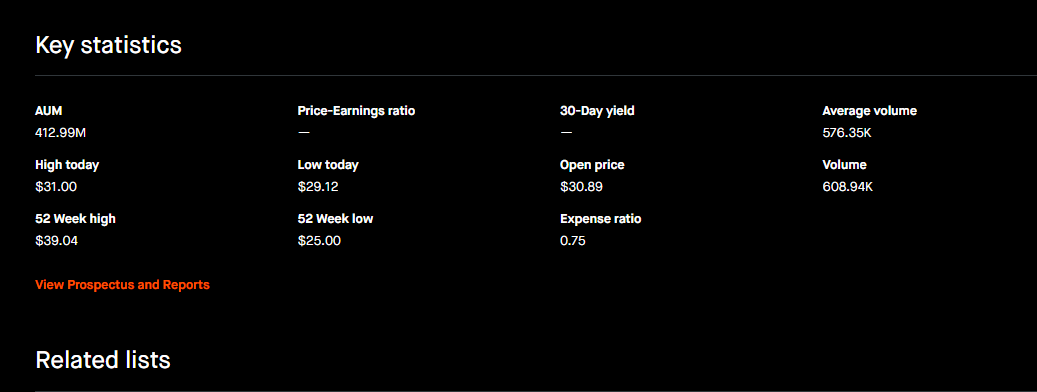
Fees: Bitwise (BSOL) charges 0.20% annually, but waives fees for 3 months on the first $1B in assets. Grayscale (GSOL), according to its website, has an expense ratio of .35%. These fees may seem a bit high, but SSK, which has been incredibly successful since its launch in July, charges .75%.
Experience: Grayscale has been managing crypto investments since 2013 and already had a Solana trust trading over-the-counter since 2021. They’re now converting it to a full ETF. Bitwise is newer but has quickly built a reputation for innovative crypto products.
Staking Partners: Bitwise partners with Helius, which manages over 13 million staked SOL tokens. Grayscale runs its own institutional staking program.
For most beginners, the fee structure and track record will probably be the deciding factors. Both are legitimate, well-established firms, so you’re not taking on additional risk either way.
Risks You Should Know About
These ETFs make Solana investing easier, but they don’t eliminate crypto’s inherent risks:
Volatility: Crypto prices can swing wildly. Solana has dropped over 90% from its all-time high before, and it could happen again. The token’s price action can and will impact the ETF’s price.
Technology Risk: These companies are all using staking to maximize investor returns. That means smart contract risk is now on the table.
Decisions, Decisions…
These Solana ETFs represent a major step forward in making crypto accessible to mainstream investors. If you’ve been interested in Solana but hesitant about the technical aspects of crypto investing, they offer a familiar way to get exposure.
Both BSOL and GSOL trade on major exchanges, so you can buy them through virtually any brokerage account. Do your homework, understand the risks, and only invest money you can afford to lose.
The launch of these ETFs signals growing institutional acceptance of Solana as a legitimate blockchain platform. Whether that translates to investment profits remains to be seen, but it certainly makes getting started a whole lot easier.
Disclaimer
This article is for educational and information purposes, and should not be considered financial advice. For more information visit our disclaimer page
About the Author