
TLDR
- Polymarket is coming back to the US.
- The CFTC has lifted its ban on the platform.
- There are some stipulations. Polymarket has to beef up its security and add some bells and whistles to keep users safe while ensuring they’re on the hook for taxes.
Polymarket. The internet’s favorite crystal ball where you could bet on, well, pretty much anything. After a bit of a time-out, they’re making a comeback in the US, and this time, they’re doing it by the book.
…The order books!
Ok. Not our best work. Let’s get after it.
Here’s What Happened
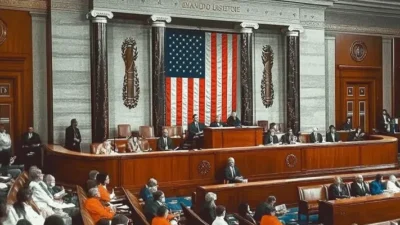
On November 25, 2025, Polymarket announced that it received a thumbs-up from the US Commodity Futures Trading Commission (CFTC). The CFTC is the SEC of the derivatives markets. Futures are all about commodities trading. Futures and commodities are in the name.
In the press release, Polymarket revealed that the CFTC issued an “Amended Order of Designation” (Here’s the CFTC link chock full of legal words. We usually love reading stuff like this…but this one was an exception. It’s pretty brutal legal jargon)
So… in plain English, this means Polymarket has been given the green light to operate as a fully regulated exchange in the United States.
Previously, they had a bit of a run-in with the regulators, which led to them ceasing operations for US users. Now, they’ve done their homework, dotted their i’s, and are ready to re-enter the biggest market in the world — legally.
Shayne Coplan, Polymarket’s Founder and CEO, put it this way: “People rely on Polymarket because we provide clarity where there is confusion and accountability where there is ambiguity.”
He added that the approval allows them to operate in a way that meets the “maturity and transparency that the US regulatory framework demands.” It sounds like they’re trading their rebellious teen phase for a sharp suit and a corner office.
Making Sense of Prediction Markets
Before we go any further, let’s have a quick refresher. A prediction market, sometimes called an information market, is a platform where people can trade contracts based on the outcomes of future events. Think of it like a stock market for news and events…kinda…if you could gamble on whether stocks would go up or down. Actually…yeah, it’s exactly like the stock market.
Instead of buying shares in Apple, you might buy a “share” that says, “The next Taylor Swift album will break streaming records”.
If you’re right, your share becomes valuable. If you’re wrong, it becomes worthless. The prices of these shares reflect the crowd’s collective belief about the likelihood of an event happening. It’s like a poll, but with real money on the line, which tends to make people think a little harder.
Polymarket became the world’s largest prediction market by letting users bet on everything from election results and economic indicators to pop culture moments. The platform provides a fascinating, real-time pulse on what the world thinks is going to happen next.
Why The CFTC Approval Matters
Getting the CFTC’s blessing is more than a legal formality. It’s a game-changer for Polymarket and the broader crypto-adjacent platform ecosystem.
Legitimacy and Trust
First and foremost, it brings a massive dose of legitimacy. For many potential users, especially those new to crypto, the fear of regulatory crackdowns is a major barrier.
Seeing a platform work with regulators instead of against them builds trust. It signals that Polymarket is here to stay and is committed to operating in a transparent and fair manner.
You can feel more secure putting your money on the platform, knowing it’s not some fly-by-night operation that could vanish tomorrow.
Access to Traditional Finance
The approval allows Polymarket to use an “intermediated” model. You won’t just be connecting your crypto wallet and hoping for the best. Instead, you’ll be able to trade through traditional brokerage firms, known as Futures Commission Merchants (FCMs).
This opens the door for:
- Easier Onboarding: Instead of navigating the sometimes-confusing world of crypto wallets and exchanges, users might be able to sign up through a familiar brokerage.
- Traditional Custody: Your funds could be held by established financial institutions, adding another layer of security.
- Standard Reporting: Say hello to standard tax forms and financial statements. While maybe not the most exciting part, it makes managing your finances much simpler and keeps you on the right side of the IRS.
In short, it’s bridging the gap between the wild west of crypto and the buttoned-up world of Wall Street. But how did a blockchain company make this possible? The acquisition of QCEX is the main reason.
Yes. The system is Pay to Play. It always has been. It is what it is.
Enhanced Security and Oversight
As part of the deal with the CFTC, Polymarket has had to seriously upgrade its internal systems. They’ve developed enhanced surveillance to detect market manipulation, beefed up their market supervision policies, and improved their clearing and reporting procedures.
The platform will be more robust and secure. They are now subject to the same rules as other Designated Contract Markets, which means they have a legal obligation to regulate themselves and protect their users. It’s like having a bouncer, a security team, and a manager all making sure the party doesn’t get out of hand.
Ready to Gamble? Hold Your Horses.
While the approval is in, don’t expect to start betting on the Oscars tomorrow. Polymarket still needs to implement additional rules and processes for this new intermediated trading model before its official US launch.
They’ll need to partner with FCMs who are willing to offer access to their platform, and those firms will need to get comfortable with this new asset class. It will be a gradual rollout, but the path is now clear.
The move could also inspire other crypto and blockchain-based platforms to pursue a similar regulatory path. Polymarket is setting a precedent that it’s possible to innovate within the existing financial framework, which could lead to a new wave of regulated, user-friendly crypto products in the US.
Disclaimer
This article is for educational and information purposes, and should not be considered financial advice. For more information visit our disclaimer page
About the Author