
TLDR
- S&P Global and Chainlink are making stablecoins even more stable. Kind of.
- S&P Global will be rating stables on their ability to maintain peg and overall safety.
- Chainlink will be responsible for bringing all of that data onchain.
It’s time for the next phase of stablecoin evolution. The keyword here is going to be “stability”. S&P Global Ratings — those folks who rate everything from government bonds to corporate credit — has partnered with Chainlink to bring their stablecoin assessments directly onto the blockchain.
Think of it like getting a report card for your favorite stablecoins, except now that report card is built right into the crypto infrastructure itself. It’s a massive signal that traditional finance is getting serious about crypto. Time to get after it.
Introducing SSA
S&P Global Ratings, the same company that tells us whether countries and companies are good bets for lending money, has created something called Stablecoin Stability Assessments (SSAs). These are essentially report cards for stablecoins — those cryptocurrencies that try to stay pegged to the dollar.
But here’s the cool part: instead of these assessments sitting in some PDF report that only Wall Street suits read, they’re now available directly on the blockchain through Chainlink’s oracle network. That means DeFi protocols can automatically access these ratings and use them to make smarter decisions.
Why Stablecoins Ratings Matter – The Beginner-Friendly Version
If you’re just getting started with crypto, stablecoins are probably going to be your best friend. Unlike Bitcoin or Ethereum, which can swing wildly in price, stablecoins are designed to stay stable (hence the name). They’re pegged to real-world assets like the US dollar.
The problem is, not all stablecoins are created equal. And not all of them are capable of maintaining their pegs. Some are backed by actual dollars sitting in bank accounts, while others use complex algorithms or a mix of different assets. S&P’s assessments help users understand which ones are most likely to actually maintain their peg to the dollar.
Their rating system is simple: 1 means very strong, 5 means weak. So if you’re looking at two stablecoins and one has a rating of 2 while another has a rating of 4, you’d probably want to go with the one with the higher rating.
The Numbers Behind the Movement
Let’s talk about just how big this stablecoin market has become. The total value of all stablecoins hit $315 billion. That’s up from $173 billion just one year earlier — a massive jump that shows how much institutional money is flowing into this space.
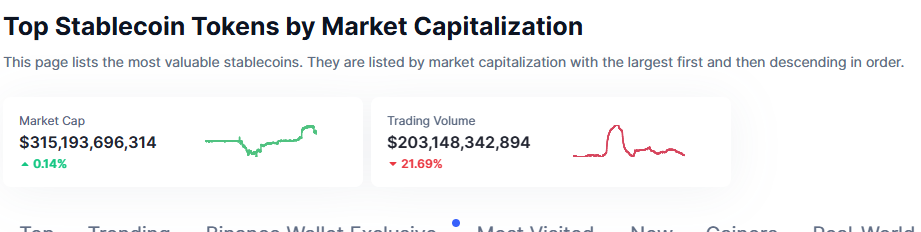
The growth isn’t happening in a vacuum either. The GENIUS Act, signed into law in July 2025, created the first federal regulatory framework for stablecoins in the United States — giving institutions the green light they needed to start taking stablecoins seriously.
Why This Partnership Is a Big Deal
Chuck Mounts, S&P Global’s Chief DeFi Officer (yes, that’s a real job title now), put it perfectly: “By making our SSAs available on-chain through Chainlink’s proven oracle infrastructure, we’re enabling market participants to access our assessments seamlessly using their existing DeFi infrastructure.”
While that is clearly AI-generated, what it means is still relevant. Instead of crypto platforms having to manually check S&P’s ratings and update their systems, everything happens automatically. It’s like having a smart thermostat that adjusts itself based on the weather, except for financial risk assessment.
Chainlink co-founder Sergey Nazarov was equally excited, noting that the tech “unlocks a critical framework for institutions adopting stablecoins at scale.” When institutions feel confident about the safety and reliability of stablecoins, they’re more likely to use them, which brings more legitimacy and stability to the entire crypto ecosystem.
What It Means for Beginners
If you’re just starting your crypto journey, this news is actually pretty encouraging for several reasons:
Better Safety Tools: Having professional risk assessments built into DeFi platforms means you’ll have more information to make smart decisions about which stablecoins to use.
Increased Legitimacy: When a company like S&P Global — which has been around since 1860 — starts offering crypto services, it signals that digital assets are becoming mainstream financial products.
Improved Infrastructure: As these kinds of partnerships become more common, the tools and platforms you use will become more sophisticated and user-friendly.
Regulatory Clarity: The combination of new laws like the GENIUS Act and established financial institutions entering the space creates a more regulated, safer environment for newcomers.
The Tech Behind the Magic
You might be wondering how all this actually works. Chainlink acts as a bridge between traditional financial data and blockchain networks. Think of it as a translator that takes S&P’s assessments (which exist in the traditional financial world) and makes them readable by smart contracts on the blockchain.
Blockchains can’t directly access external data — they need oracles like Chainlink to feed them information from the outside world. Chainlink has been doing this successfully for years, securing nearly $100 billion in DeFi total value locked (TVL) and enabling over $25 trillion in transaction value, all while becoming one of the most systemically important protocols in all of crypto.
The partnership initially launches on Base, Coinbase’s layer 2 network, with plans to expand to other blockchains based on demand. The choice of Base makes sense — it’s designed to be more user-friendly and cost-effective than the Ethereum Mainnet.
As the stablecoin market continues to grow and more institutions enter the space, we can expect to see more of these kinds of partnerships. Traditional financial institutions are realizing they can’t ignore crypto anymore, and they’re finding ways to bring their expertise into the digital asset world.
Information Is Power
If you’re interested in exploring stablecoins, the announcement should give you confidence that the infrastructure is becoming more professional and safer. While S&P currently assesses 10 leading stablecoins, including USDT, USDC, and USDS/DAI, having these assessments available on-chain means you’ll have better information to make informed decisions.
Stablecoins are generally considered safer than other cryptocurrencies, but they’re not without risk, which is why this partnership is vital to the future of these tokens. Partnerships like this one between S&P Global and Chainlink are paving the way for a more mature, institutional-grade ecosystem.
Disclaimer
This article is for educational and information purposes, and should not be considered financial advice. For more information visit our disclaimer page
About the Author