
TLDR
- Kraken Financial became the first digital asset bank in US history to receive a Federal Reserve master account.
- The CEX will have access to faster, cheaper, and more secure money movement
- This milestone further bridges the gap between traditional finance and digital assets, paving the way for safer, more accessible crypto adoption.
Kraken Financial has become the first digital asset bank in US history to receive a Federal Reserve master account. It’s a milestone that’s got the crypto world buzzing — and for good reason.
This is the biggest of deals. The first time in history anything like this has happened.
But what does that actually mean? And why should you, as someone who’s just getting started in crypto, care about it? Let’s get after it.
What’s a Federal Reserve Master Account?
Think of the Federal Reserve as the central bank of the United States. It’s basically the bank that banks use. A Federal Reserve master account gives a financial institution direct access to the Fed’s payment infrastructure. Specifically, a system called Fedwire, which is used to move large sums of money quickly and securely between banks.
Normally, crypto companies don’t have this kind of access. Instead, they’ve had to rely on traditional middleman banks to move money in and out of the financial system. That adds extra steps, extra costs, and extra waiting time.
With a master account, Kraken Financial can now connect directly to these core payment rails. No middleman required.
Why Is the Master Account a Big Deal?
It has never happened before. Ever. No digital asset bank has ever been granted a Federal Reserve master account until now.
Kraken Financial is a Wyoming-chartered Special Purpose Depository Institution (SPDI). That’s a fancy term for a state-regulated bank that’s required to hold 100% of its client deposits in liquid assets at all times.
In other words, every dollar you deposit is backed by a real dollar in reserve. That’s a level of financial security that’s actually stricter than many traditional banks.
Getting this master account wasn’t quick or easy. It took more than five years of regulatory engagement, operational scrutiny, and close coordination with both US and Wyoming supervisors. So this isn’t just a PR win — it’s the result of a serious, sustained effort to build trust within the traditional financial system.
The Impact on Crypto Users
Here’s where things get interesting for everyday crypto users.
Speed
Because Kraken Financial can now settle transactions directly on Fedwire, moving money between your bank account and your crypto wallet should become faster and more efficient. Fewer intermediaries means fewer fees and less waiting around.
Stability and Security
One of the biggest concerns for new crypto users is security. Will my money be safe? Is this platform legit? A Federal Reserve master account doesn’t just sound impressive — it signals that Kraken operates within the same regulated framework as traditional financial institutions. That’s a meaningful layer of credibility and protection.
A More Connected Financial System
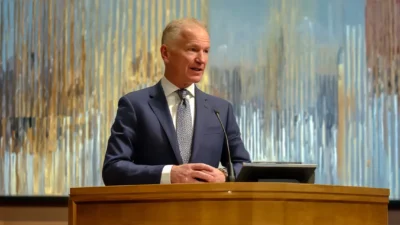
Arjun Sethi, co-CEO of Payward and Kraken, said: “This milestone marks the convergence of crypto infrastructure and sovereign financial rails.”
The wall between crypto and traditional finance is getting smaller. Over time, this could mean real-time settlements between fiat currency (such as USD) and crypto, as well as more sophisticated financial products built within a fully regulated framework.
What’s Happening Next?
Kraken Financial is rolling this out in phases. The initial focus will be on institutional clients — think large companies and professional investors. But over time, the capabilities will be integrated into Payward’s broader infrastructure, which powers everything from the Kraken app to its trading platform.
Kraken has said it will continue to work closely with the Federal Reserve and Wyoming regulators as it expands. That kind of ongoing regulatory coordination is exactly what the crypto industry needs to grow responsibly.
The Long Game
For a long time, crypto has operated on the edges of the traditional financial system. Exchanges had to work around legacy banking infrastructure, and users often experienced delays, unexpected fees, or account closures simply because banks were uncertain about crypto.
This decision changes the narrative. Now, regulated, responsible crypto institutions can earn a seat at the same table as traditional banks. And as more crypto companies pursue this kind of regulatory legitimacy, the whole ecosystem becomes safer and more accessible.
That’s great, especially for new users.
If you’re just starting your crypto journey, this kind of news should feel reassuring. The industry is maturing. The guardrails are going up. And platforms like Kraken are leading the way.
Simplifying and Putting a Bow on Top
You don’t need to understand every detail of how Fedwire works or what a SPDI charter means to benefit from this development. Here’s the simple version:
- Crypto is becoming more integrated with the mainstream financial system
- Regulated platforms are being held to higher standards — which is good for users
- Faster, more secure money movement is on the horizon
- Choosing a platform that operates within a regulated framework matters
If you’re still figuring out where to start with crypto, focus on platforms that prioritize transparency, security, and regulatory compliance. Kraken’s milestone is a great reminder of what responsible crypto infrastructure looks like and why it matters for everyone, from institutional investors to first-time buyers.
Kraken Financial making history with a Federal Reserve master account isn’t just a big deal for Kraken. It’s a big deal for the entire crypto industry. It shows that digital asset companies can meet the rigorous standards of the traditional financial system and that crypto is growing up.
Ready to start your own crypto journey? Regularly check in with Dypto Crypto for beginner-friendly guides, secure platform recommendations, and everything you need to take that first step with confidence.
Disclaimer
This article is for educational and information purposes, and should not be considered financial advice. For more information visit our disclaimer page
About the Author