


Ever had that moment where you check your crypto wallet and find thousands of dollars just sitting there? Not from a trade you forgot about, but actual free money dropped straight into your account?
That is what happened to early Uniswap users back in 2020. People who had simply used the platform woke up to 400 UNI tokens worth over $1,200. Some held on and watched it climb past $17,000. Then came Arbitrum, handing out anywhere from $1,000 to $20,000 per wallet to early adopters. These were not random lottery winners. They were airdrop farmers.
Here is what most people get wrong about airdrop farming, it is not about luck or stumbling onto freebies. It is something really strategic. You spot promising projects early, use them consistently and position yourself to receive tokens when they eventually launch. Sometimes it works out. Sometimes you spend months on a protocol that never distributes anything. But when it hits, it really hits.
What are Crypto Airdrops?
Before diving into farming strategies, let’s clarify what we are farming.
Crypto airdrops are when blockchain projects send free tokens directly to people’s wallets. Think of it as a promotional giveaway, except instead of getting a branded t-shirt, you are getting crypto currency that might actually be worth something.
Projects do this for a few reasons. They want to create buzz around their launch. They need to decentralize ownership, so it doesn’t look like the team controls everything. They are trying to reward people who took early risks using an unproven protocol. And honestly, airdrops are just effective marketing, people love free stuff, especially when that free stuff could be 10× in value.
You will run into different types:
· Promotional Airdrops
It asks you to complete simple tasks. Follow on Twitter, join the Discord, retweet something. That is the easy stuff. The rewards tend to be smaller, but so is the effort required.
· Governance Airdrops
This type of crypto airdrop give you tokens that mean something. You get voting rights on how the protocol develops. UNI and ENS are perfect examples, as these tokens had real utility beyond just price speculation.
· Holder Airdrops
It automatically goes to wallets holding specific assets. If you owned certain NFTs or tokens at the right time, then boom, you have got a free airdrop. No extra work is required.
· Loyalty Airdrops
These are the big ones. These reward people who actively used a protocol before it had a token. They are retroactive, the team looks back at historical usage and rewards the early supporters. This is where airdrop farming gets interesting.
The key difference: some airdrops are pure luck (you happened to hold the right token). Others reward engagement. The second type is what farmers target because you can actually influence whether you qualify.
How Does Airdrop Farming Work?
Forget the passive approach. Successful farming means active participation.
· Spot Opportunities Early
You are looking for projects that don’t have tokens yet but will probably have them eventually. But how do you identify them? Firstly, check their funding, if they raised $50M+ from Paradigm or Andreessen Horowitz, there is usually a token coming.
Look for innovative tech, especially Layer 2 solutions and DeFi protocols. Watch for strong communities and engaged Discord servers.
· Use The Protocols Consistently
This is where most people mess up. They make one transaction and think they are done. Projects reward sustained activity. You need to actually use these platforms like a real user would.
Make swaps on their DEX. Add liquidity to pools. Participate in governance votes. Bridge assets to new chains. Use different features instead of just repeating the same action.
· Wait For The Snapshot
Projects take “snapshots”. Basically, capturing who is using their platform and how actively at a specific moment. The catch? They usually don’t announce when they will be taking a snapshot.
That is why one week farming sprints don’t work. You need consistent engagement over months because you never know when that snapshot is happening. Arbitrum tracked activity over 2,6, and 9-month periods. Now guess who got the biggest rewards? The people who stuck around longest.
· Claim Safely When It’s Time
When a project finally announces their airdrop, this is where scammers swarm. You will see fake claim sites, phishing links, all kinds of nonsense. Only use links from verified official sources. Never enter your seed phrase anywhere. Double check the URLs.
The whole process takes patience. You might farm a protocol for six months and get nothing. Or you might qualify for multiple airdrops that pay off big. That is the game.
Why Is Airdrop Farming Popular?
Let us be real, it is the money.
When Someone tells you they received $15,000 in free tokens just for using a platform early, that gets your attention. The math works out too. You spend maybe $100 in gas fees over several months, invest a few hours per week clicking around protocols, and potentially walk away with thousands. Sometimes tens of thousands.
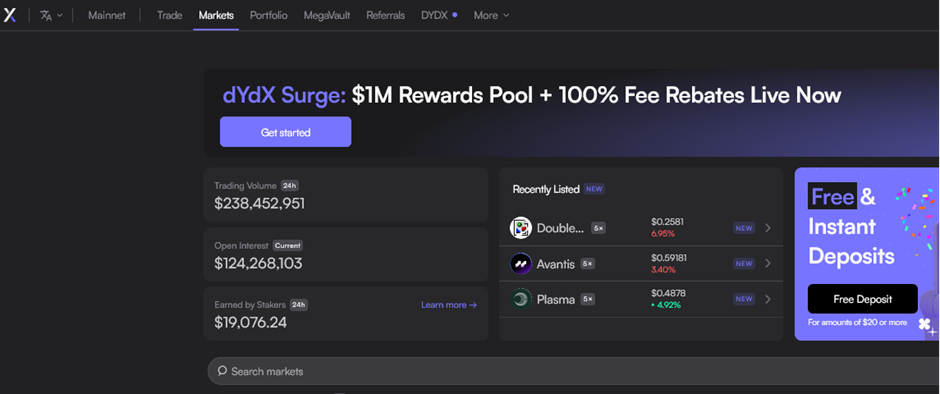
Take dYdX as an example. People who actively traded on the platform received airdrops ranging from $4,000 to $135,000. That is not a typo. Some users literally received six-figure payouts for being early adopters. But it is not just about instant profits. Farming forces you to learn how crypto actually works. You cannot farm effectively without understanding different blockchains, how DeFi protocols function, what smart contracts do, and how to use wallets and bridges safely. You are basically getting paid to educate yourself.
There is also this community aspect. Projects want early users who genuinely care, not just mercenaries. Airdrop turn users into stakeholders. Once you own tokens, you are emotionally invested in that project’s success. It is smart community building.
And unlike trading crypto (which requires capital you might not have) or NFT investing (same problem), airdrop farming has a low barrier to entry. You mainly need time and small amounts for transaction fees. That accessibility brings in people who otherwise couldn’t participate in crypto.
Plus, there is something undeniably fun about the treasure hunt element. Finding promising protocols, tracking snapshot rumours, optimizing your strategy, it feels like you are getting in on something before everyone else knows about it.
What are the Benefits?
Let us break down why people dedicate time to this.
· Low Upfront Costs
You are mostly paying gas fees, not buying expensive tokens. Spend $50-$200 in transaction costs across months, potentially earn thousands back. That risk reward ratio beats most crypto strategies.
· Natural Diversification
When you farm multiple protocols, you automatically diversify. You are not betting everything on one token. Some will flop and others might explode. And the winners make up for the losers.
· Early Access To Innovation
Farmers become beta testers for cutting edge tech. You are using protocols before they hit mainstream attention, getting in at ground level.
· It Is Actually Engaging
The gamified aspect makes it enjoyable. Each successful claim feels like leveling up. Finding that hidden gem protocol before everyone else? That’s satisfying.
· Building On-Chain Reputation
Consistent activity creates a verifiable history. Some projects look favourably on wallets with established usage patterns. This can lead to whitelist spots, exclusive NFT mints, and other opportunities.
· Community Connections
Active farming plugs you into Web3 communities. You will discover new opportunities through Discord servers and Twitter follows before they hit mainstream channels.
· Learn By Doing
You can read about DeFi for hours, or you can spend 20 minutes using protocols and learn 10x faster. Farming forces hands on education.
Step-by-Step Guide: How to Farm Airdrops
Alright, let us get practical. Here is how to actually start.
Step 1 – Set Up a Secure Wallet
Your wallet is your identity in crypto, so set it up right.
· Pick the right wallet: MetaMask is the standard for Ethereum and most chains. It is what everyone uses, every protocol supports it and it is relatively straightforward.
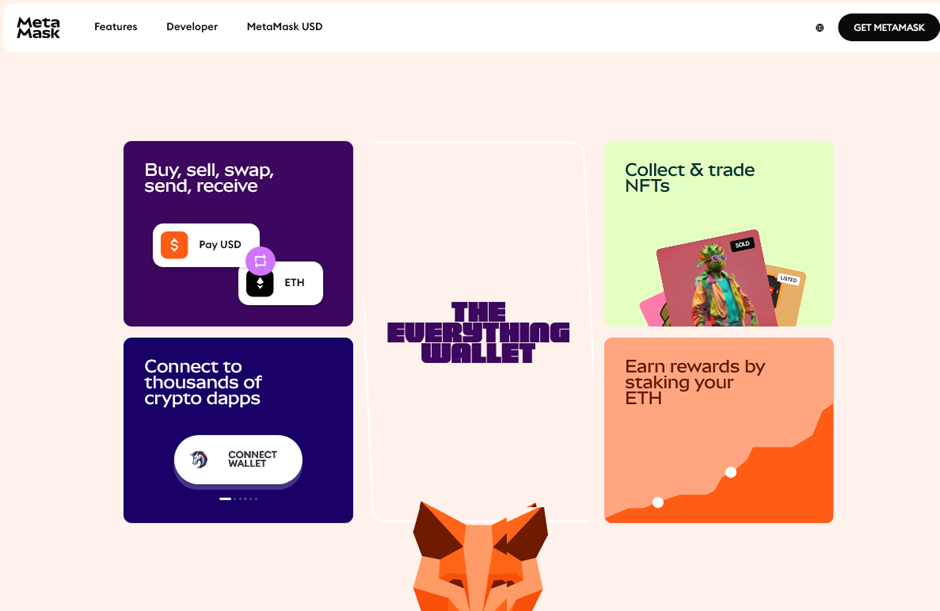
If you are also farming Solana opportunities, grab Trust Wallet or Phantom. For serious security once you are holding valuable stuff, get a Ledger hardware wallet. Your private keys never leave the device.
· Security isn’t optional
Write down your seed phrase on paper. Not on your phone, not in Google-Docs, not in a screenshot. Always write it on a paper and save it somewhere safe. Never ever share it with anyone. If someone asks for your seed phrase, that is a scam, period.
Consider using a fresh wallet just for farming, separate from your main holdings. If something goes wrong while testing a sketchy protocol, your main funds stay safe.
· Organization matters
Many farmers use multiple wallets to keep things organized. One for Ethereum mainnet, another for Arbitrum, maybe a third for Solana. This helps you keep track of the protocols you have interacted with and on which platforms. But here is the catch, don’t create dozens of wallets purely to multiply your rewards. Projects detect that behaviour and will disqualify you.
Step 2 – Research Upcoming Airdrops
Finding legitimate opportunities in half the battle.
· Where To Look
Start with aggregator sites. CoinGecko has an entire airdrop section with legitimacy ratings. Airdrops.io and AirdropAlert.com curate opportunities and flag verified campaigns.
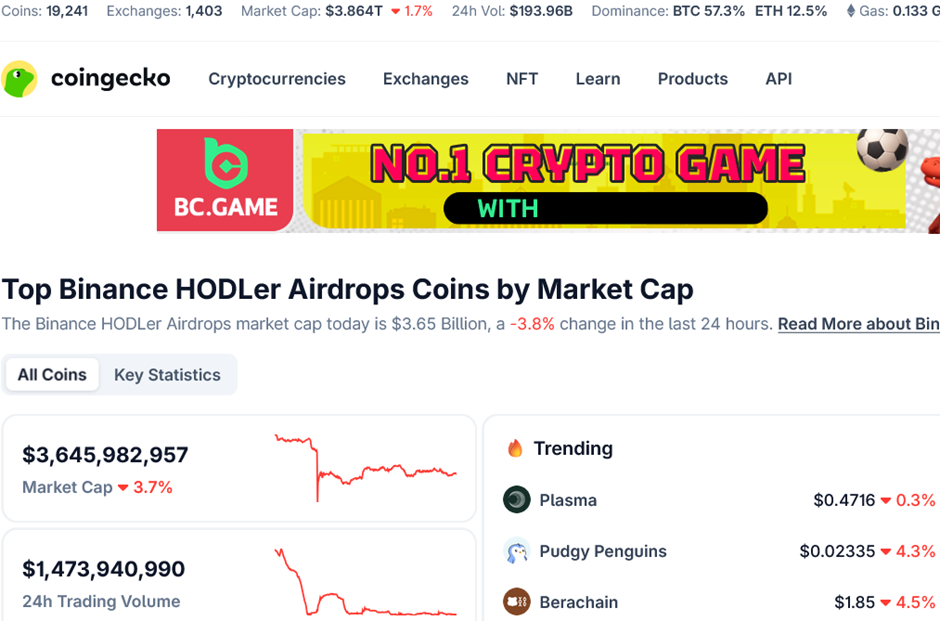
Follow the most popular crypto accounts on Twitter, researchers and analysts often share early finds about potential airdrops. Join Discord servers for Layer 2 networks and DeFi protocols where members share opportunities.
· What Makes A Project Promising
Look for serious venture backing. When Paradigm or Coinbase Ventures drops $50M into a project, there’s usually a token coming eventually.
Check team transparency, are they doxxed or anonymous? Anonymous doesn’t automatically mean scam, but it adds risk. Look for hints in blog posts or Discord messages where teams mention “community rewards” or “decentralizing governance”.
· Spotting Fake Airdrops
Real projects never ask for your seed phrase. Ever. They won’t ask you to send crypto first to “verify your address”. Be suspicious of extreme urgency, like “Claim within 24 hours or lose everything!” is a pressure tactic.
Here is a guaranteed airdrop announcement from a verified Twitter account that we have used as an example: –

So always check official Twitter accounts (verify the blue checkmark ✔️), and if there’s no announcement there, it’s probably fake.
Step 3 – Interact with the Project’s Ecosystem
Now comes the actual farming. You need to use these protocols like a genuine user.
· DeFi Interactions
Make swaps on decentralized exchanges. If you are farming Arbitrum, use Uniswap on the Arbitrum network. Provide liquidity to pools, even small amounts count. Stablecoin pairs minimize your risk from price swings while still showing participation.
Deposit into lending protocols. Stake where available. These actions demonstrate you are using the ecosystem, not just passing through.
· Governance Participation
Vote on proposals when you can. Some projects specifically track governance involvement. Neutron airdropped tokens to people who voted on specific proposals. Even if you don’t own governance tokens yet, connecting your wallet and engaging shows activity.
· Bridge Assets
Use official bridges to move funds onto new chains. Both Arbitrum and zkSync tracked bridge usage heavily. Don’t just bridge the minimum, moving $1,000 carries more weight than moving $10 in most scoring systems.
· Test Early Features
For protocols still in testing, use their testnets. Request testnet tokens from faucets and test features. zkSync and StarkNet historically rewarded testnet users generously. Report bugs if you find them, projects notice contributors.
Step 4 – Stay Active Until Snapshot
Consistency beats intensity every single time.
· Regular Beats Cramming
Making 100 transactions in three days looks suspicious. Making 2-3 transactions per week for six months looks organic. Projects reward sustained participation. Spread your interactions across different features. Don’t just swap tokens, also provide liquidity, vote, bridge, and explore new protocol additions.
· Nobody Knows Snapshot Timing
Projects deliberately don’t announce snapshots in advance to prevent gaming. Some take multiple snapshots across different periods and combine them. This is why you can’t time your farming. You need regular activity as if every week might be snapshot week.
· Going Inactive Hurts
If you have been active for three months then completely disappeared for two months before the snapshot, you might get excluded. Projects want actual users, not farmers who vanish. So always think about long term engagement.
Step 5 – Claim Your Airdrop Safely
This is where scammers feast on excitement and urgency.
· Verify Everything
Use only links from verified project Twitter accounts. Check that blue checkmark ✔️ and the exact handle. Confirm in official Discord announcements from team roles. When in doubt, manually type the project’s website URL, don’t click links from Telegram or Twitter replies.
· The Claiming Process
Connect your wallet through the official interface. Review the transaction details carefully. Make sure you are approving the correct contract and not giving unlimited spending permissions to something sketchy.
· After Claiming
Revoke unnecessary approvals using tools like Revoke.cash. After months of farming, you will have approvals scattered across dozens of protocols. Clean them up regularly. Old approvals to compromised contracts are a common attack vector.
· Expect Scams
Fake claim sites will appear in Google ads. Scammers will spam Telegram and Discord. They will create URLs that look almost identical to real ones. Always double check. Report suspicious links and warn others. It is better to be paranoid than broke.
Tips to Get Better at Airdrop Farming
Want to level up? Here’s what separates successful farmers from people who waste time.
Stay Updated with Reliable Airdrop Trackers
Information is everything. Use CoinGecko’s Learn section daily.

Check Airdrops.io for verified campaigns. Follow DeFiLlama to track protocol growth, sudden TVL increases often signal upcoming airdrops. Join specialized Discord servers but verify every single claim independently.
Set up Twitter alerts for keywords like “snapshot,” “airdrop,” and “token distribution” related to protocols you are farming. Being early on announcements means claiming before network congestion drives gas fees through the roof.
Engage Consistently with Projects
One transaction per month won’t cut it anymore. Make transactions weekly. Vary your activities, don’t repeat the same swap 50 times. Use different protocol features. Maintain small liquidity positions instead of constantly adding and removing.
Someone who swaps $50 every week for six months looks real. Someone who suddenly makes 100 transactions in a weekend looks like a farmer trying to game the system. Be the first person.
Diversify Across Multiple Projects and Chains
Don’t put all your time into one protocol. Farm 3-5 Layer 2 networks simultaneously, Arbitrum, Optimism, Base, zkSync, Polygon zkEVM. Engage with 5-10 DeFi protocols on each chain. Include cross-chain bridges in your rotation. Explore emerging sectors like Solana DeFi or blockchain gaming.
This approach ensures that even if several projects never airdrop, your time still pays off through the ones that do. It’s basic portfolio theory applied to farming.
Use Multiple Wallets Responsibly
This is a touchy territory. Using 2-3 wallets for organization is fine, one for Ethereum, one for Layer 2s, one for Solana. That’s legitimate. Creating 50 wallets to multiply your allocation? That’s Sybil attacking, and projects will catch you.
If you use multiple wallets, each needs distinct behaviour. Different funding sources. Different activity patterns. Realistic engagement levels. Never fund all wallets from the same address or execute identical transactions at similar times.
Most importantly, use multiple wallets for genuine reasons like security, organization, chain separation, and not purely to game rewards.
Prioritize Security and Try to Stay Away from Fake Airdrops
Never enter your seed phrase anywhere. Legitimate claims only need wallet connection. Use hardware wallets once your portfolio reaches meaningful value. Audit and revoke smart contract approvals regularly using Revoke.cash.
Be paranoid. If something seems too good to be true, it probably is fake. Research before interacting. Check community Discord for scam warnings. Enable transaction simulation in your wallet to preview what transactions actually do.
Track Snapshot Announcements Carefully
Follow official project accounts closely during periods when snapshots seem likely. Set notification alerts. Join Discord servers where teams sometimes hint at timing. When announcements drop, act relatively quickly, some airdrops require claiming within specific timeframes.
Remember though, some projects take surprise snapshots and analyse historical data retroactively. Stay consistent.
Gas Fees Optimization
Transaction costs matter. Farm during off-peak times, weekends often have cheaper gas. Use Layer 2 solutions where possible. Arbitrum and Optimism are 90%+ cheaper than Ethereum mainnet. Do batch transactions only when protocols allow it.
Calculate whether gas costs justify farming specific protocols. Spending $100 in fees to potentially earn $1,000+ makes sense. Spending $50 on a protocol unlikely to have substantial value doesn’t.
Experiment with Emerging Protocols Early
The biggest rewards go to earliest adopters. When a well funded protocol launches, be among first users. Test new Layer 2 networks in their early months. Explore GameFi projects backed by major VCs.
Being early means accepting the higher risk protocols that might have bugs or fail completely. Start with amounts you can lose. But historical data shows earliest users receive disproportionately larger airdrops.
Popular Airdrops In The Past That Paid Off Big
Learning from history helps spot future opportunities.
· Uniswap (UNI) – September 2020
The legendary one. Uniswap gave 400 UNI to everyone who had used the protocol before September 1st. It didn’t matter if you swapped $50 or $50,000, everyone got the same amount. At distribution, that was roughly $1,200. At UNI’s peak? Over $17,000.
The lesson: participation mattered more than capital. Using promising protocols even once with small amounts can pay off massively.
· Arbitrum (ARB) – March 2023
Arbitrum distributed over 1.27 billion tokens to 625,000 wallets. Individual amounts ranged from $1,000 to $20,000+ based on activity. They tracked multiple timeframes, starting from 2 months, then 6 months and lastly 9 months. Longer participation earned exponentially more points.
The lesson: consistency always wins. People who bridged once got peanuts. People who actively used Arbitrum for months received five figures.
· Optimism (OP) – May 2022
Optimism did multiple airdrop rounds. First round rewarded early adopters who bridged and used protocols. Later rounds targeted governance participants and multi-protocol users. Some people received $1,000-$30,000 across different rounds.
The lesson: projects can do multiple airdrops. Staying active after initial distributions leads to additional rewards.
· dYdX – September 2021
Perhaps the most lucrative proportionally. dYdX rewarded traders based on volume. Heavy users received $135,000 or more. Even moderate traders frequently got $4,000-$10,000.
The lesson: engagement level matters exponentially. Higher activity doesn’t just earn linearly more, it can earn 10x or 20x more.
· Ethereum Name Service (ENS) – November 2021
ENS airdropped to people who had registered .eth domains. Amount varied by registration timing and how long you held. Many users received four to five figures.
The lesson: supporting infrastructure projects pays off. ENS wasn’t a DeFi protocol, it was a naming service. Airdrops are not limited to financial applications.
These stories share common threads: be early, engage genuinely over time, and focus on well funded legitimate projects. The biggest rewards went to natural users, not people trying to game systems at the last minute.
Tools for Assistance in Crypto Airdrop Farming
The right tools make farming 10x easier.
· Airdrop Trackers
CoinGecko’s airdrop section curates opportunities with legitimacy scores. Airdrops.io has one of the most comprehensive databases. AirdropAlert.com sends notifications about new opportunities. These save hours of research time.
· Multi-Wallet Managers
Rabby Wallet offers great multi-chain support with built-in transaction simulation. You can see exactly what you are signing before approving. Zerion gives you a dashboard view of all positions across wallets and chains. DeBank lets you monitor activities and track your Web3 footprint.
· Security Tools
Revoke.cash is essential. After months of farming, you will have dozens of approvals to protocols you no longer use. Revoke unnecessary permissions regularly. Ledger hardware wallets provide maximum security once you are holding significant value.
· Transaction Tracking
Etherscan gas tracker helps time transactions when fees are low. GasNow browser extension alerts you when prices drop. DeFiLlama tracks protocol TVL and trends, sudden growth often signals airdrop potential.
· Portfolio Management
Zapper.fi shows all DeFi positions across wallets and chains. You can manage liquidity, track farming progress, and discover new opportunities. Nansen provides advanced analytics for identifying early adoption, subscription required but valuable for serious farmers.
· Communication
Discord and Telegram house most crypto communities. Join project servers for firsthand updates. Twitter remains central for crypto news. Follow project teams, researchers, and successful farmers who share insights.
These tools transform overwhelming chaos into manageable workflow.
How to Find Legit Crypto Airdrops (and Avoid Scams)
Scammers love airdrop so please protect yourself.
· Verifying Legitimate Airdrops
Start with official sources only verified Twitter, official websites, team confirmed Discord messages. Cross-reference across multiple trusted platforms. If CoinGecko, Airdrops.io, and the official project all mention it, it’s probably real.
Check project background. Real funding from reputable VCs? Doxxed team? Active GitHub showing development? Legitimate projects have trackable histories.
· Obvious Red Flags
Never trust airdrops asking for seed phrases or private keys. Period. Be suspicious of required upfront payments “Send 0.5 ETH to receive 5 ETH” is always a scam.
Watch for urgency manipulation, like “24 hours or lose forever!” is pressure tactics.
Examine URLs carefully. Scammers create “uniswap-claims.com” when legitimate claims happen on actual project domains. Check for grammatical errors as legitimate projects have polished communications.
· To Good To Be True Usually
If an unknown project claims to be airdropping thousands with minimal effort, approach skeptically. Compared to known benchmarks, Uniswap’s $1,200 was extraordinarily generous. Anything vastly exceeding this from unknown projects deserves scrutiny.
· Protective Measures
Use a separate “burner” wallet for questionable opportunities. Never connect your main wallet to unknown sites. Regularly revoke approvals. Enable wallet security features.
Stay connected to communities where members warn about new scams. When someone gets hit, they report it quickly, providing early warnings.
Golden rule: when uncertain, don’t interact until you have thoroughly researched. Missing one legitimate airdrop beats losing everything to a scam
Want to Learn More About Making Money from Crypto? Join Dypto Crypto
Airdrop farming is just scratching the surface of crypto opportunities. If you are serious about maximizing earnings and building real expertise, you need structured education from people who have actually done it.
Dypto Crypto offers comprehensive courses designed for everyone, complete beginners just starting out and intermediate traders refining their strategies. The curriculum covers blockchain fundamentals, trading techniques, DeFi strategies, NFT investing, and advanced airdrop farming tactics that most people don’t know about.
What makes Dypto different? Real instructors with actual experience navigating multiple market cycles. Practical lessons you can implement immediately. Community support from fellow learners. Regular updates reflecting the latest developments and opportunities.
Don’t leave success to chance. Join thousands of students who have transformed their crypto understanding and discovered profitable strategies they never knew existed. Whether you are looking to supplement income, build long term wealth, or simply understand this technology, Dypto provides the roadmap.
FAQs (Frequently Asked Questions)
Q: Is airdrop farming free?
A: The tokens are free, but you’ll need to pay transaction fees (gas) to interact with protocols. On Ethereum mainnet, gas can cost $5-$50 per transaction, while Layer 2 networks charge under $1. Most farmers spend $50-$200 total in gas fees over months of farming, with potential returns in the thousands from successful airdrops.
Q: Can I make a full-time income from airdrop farming?
A: Not reliably. Airdrops are unpredictable, you might farm for months with no rewards or receive $10,000+ from one protocol. While some dedicated farmers have earned six figures, timing and amounts vary wildly. It works best as a side activity to supplement other income, but not as a primary job.
Q: How do I know if an airdrop is legit?
A: Always verify through official channels, check the project’s verified Twitter, official website, and Discord. Cross-reference with trusted sites like CoinGecko and Airdrops.io. Red flags include requests for seed phrases or private keys, demands to send funds first, and extreme urgency. Legitimate airdrops never ask for these. When in doubt, wait and watch for community confirmation.
Q: Are airdrops taxable?
A: Yes, in most countries. Airdropped tokens are typically taxed as income at their fair market value when received. If you claim an airdrop worth $3,000 in the U.S., that is taxable income. When you sell, any gain or loss is taxed again as capital gains. Tax rules vary by country, so keep detailed records and consult a crypto savvy tax professional in your jurisdiction.
Disclaimer
This article is for educational and information purposes, and should not be considered financial advice. For more information visit our disclaimer page
About the Author